

A Legislative Shift for Judicial Reform
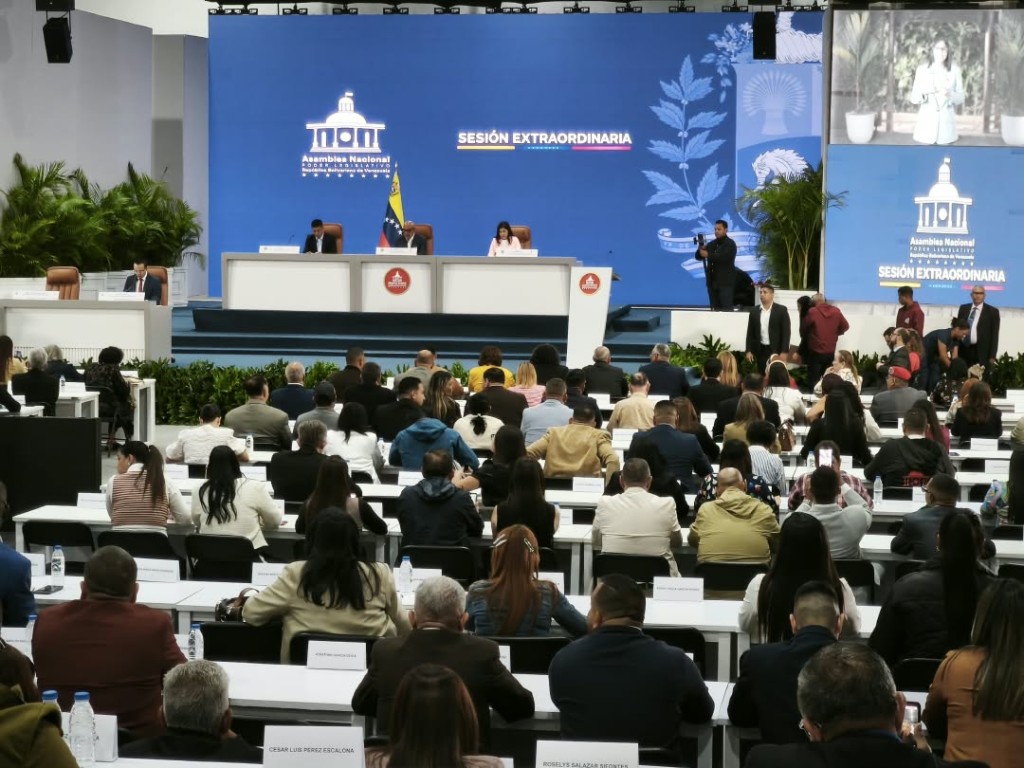
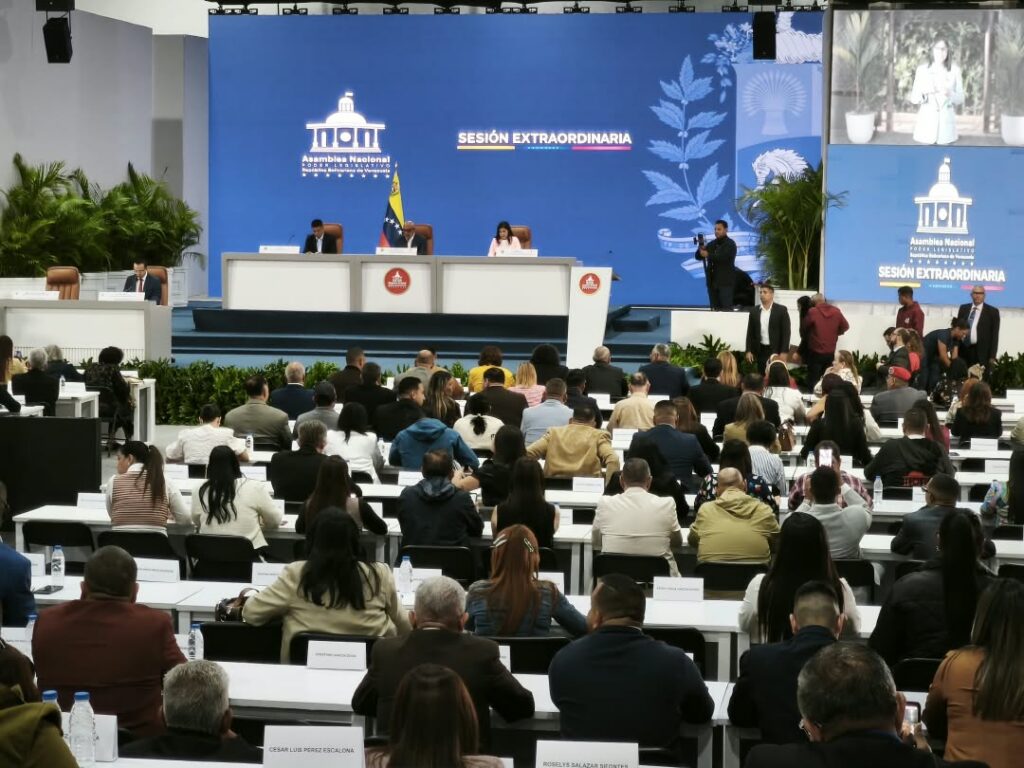
In a significant turn of events, Venezuela’s National Assembly (AN), predominantly composed of Chavista members, convened for an extraordinary session on August 27 to discuss a proposed reform of the Organic Law of the Supreme Tribunal of Justice (TSJ). This initiative aims to revise the structure of the Judicial Nominations Committee, increasing its members from 21 to 23. The reform seeks to bolster representation from civil society, elevating the number of civil representatives to 12 while reducing legislative representatives to 11, thus creating a more balanced committee.
Dialogue as a Path to Renewal
This reform is a product of the initial agreement reached during a dialogue table between the Parliament of 2025 and the 2015 Delegated Commission of the AN, signed on August 12 at the Meliá Caracas Hotel. The agreement lays the groundwork for a comprehensive renewal of the TSJ and related judicial laws. Jorge Rodríguez, the head of the Assembly, emphasized the legitimacy of the current assembly as the rightful body to undertake this reform, asserting its constitutional authority.
The Role of Civil Society
As discussions about the renewal of the TSJ unfold, members of the opposition have voiced the necessity of including civil society in the conversation. Luis Florido, a deputy from the Libertad Group, urged that the process should not be limited to parliamentary discussions. He called for a judicial selection devoid of party affiliations, advocating for a system that fosters legal security and attracts investment through a balanced judicial framework.
Challenges and Opportunities Ahead
While the reform presents a potential pathway to a more democratic judicial system, its success remains contingent on the execution of a transparent selection process for the 32 magistrate positions. This includes the establishment of a new nominations committee and a review council responsible for evaluating candidates based on established constitutional and legal standards. The previous list of 561 candidates for the TSJ, published on June 19, is now invalidated, marking a fresh start for the impending appointments.
Voices of Hope and Skepticism
Legal experts express cautious optimism regarding the prospective renewal of the TSJ, highlighting its crucial role in establishing an unbiased judiciary that can uphold the Constitution and laws effectively. Academics such as Juan Carlos Apitz and Alí Daniels from the NGO Acceso a la Justicia underscore the importance of a successful candidate selection mechanism, yet they remain skeptical about its feasibility.
Looking Towards the Future
The ongoing legislative reform in Venezuela represents not only a shift in judicial governance but also a broader aspiration for democratic progress. As the country navigates its complex political landscape, the outcome of these discussions could significantly influence the future of justice and governance in Venezuela. The hope for a renewed TSJ is not just about changing the faces within the court; it is about reinstating public trust and ensuring that the rule of law prevails.
Editorial note: This article was created by A Bit Lavish Miami’s Magazine as an original editorial reinterpretation based on publicly available reporting. Original source: efectococuyo.com. Read the original article here: https://efectococuyo.com/politica/an-reabre-ruta-para-la-designacion-de-nuevo-tsj-con-reforma-de-ley/.
Images are used for editorial reference with source credit. If an image requires correction or removal, please contact A Bit Lavish.










Empowering Voices: Women as Architects of Change in Venezuela
Discover how women in Venezuela are shaping the transition towards democracy and...
 3 Mins read
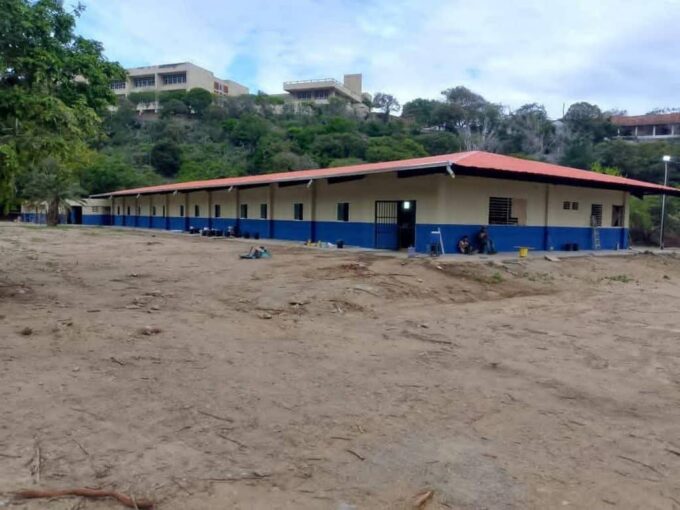
Navigating Vulnerability: The Return of La Guaira’s Universities Post-Earthquake
Explore the challenges faced by La Guaira's universities as they recover from...
3 Mins read

The Unyielding Spirit of Brenda Velázquez: A Mother’s Fight Amidst Political Turmoil
Discover the harrowing story of Brenda Velázquez, a political prisoner in Venezuela,...
2 Mins read


La Política de la Obediencia: Un Análisis del Futuro Venezolano
Exploramos cómo la renuncia a la política en Venezuela ha llevado a...
2 Mins read
