

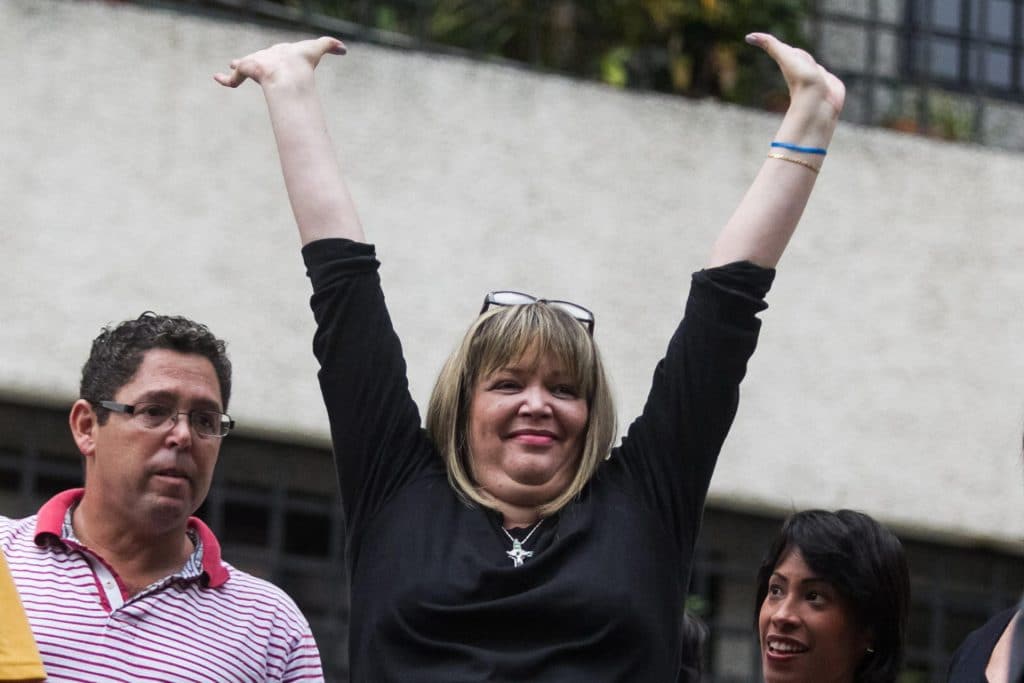
A Triumph After Years of Struggle
The recent release of María Lourdes Afiuni, a figure emblematic of the struggle for judicial independence in Venezuela, marks a pivotal moment in the nation’s tumultuous history. After enduring 16 years of wrongful imprisonment, Afiuni’s case serves as a stark reminder of the judicial abuses that have plagued the country since the days of Hugo Chávez. Her liberation, celebrated by numerous political leaders and human rights advocates, signals a glimmer of hope in a landscape often overshadowed by oppression.
A Community’s Response
Notable voices from the Venezuelan opposition, including the renowned human rights activist and Nobel Peace Prize nominee María Corina Machado, have expressed profound relief and joy over Afiuni’s newfound freedom. “After 16 years of injustices, we rejoice in her release,” Machado stated, emphasizing the urgency for Afiuni to seek medical treatment immediately due to her deteriorating health, which has been exacerbated by her long years of confinement.
Her condition reportedly includes serious health complications such as dizziness, vomiting, and hypertension, and recent medical assessments have revealed multiple tumors requiring urgent care. The call for immediate action highlights the critical need for the Venezuelan government to ensure the well-being of those who have been unjustly persecuted.
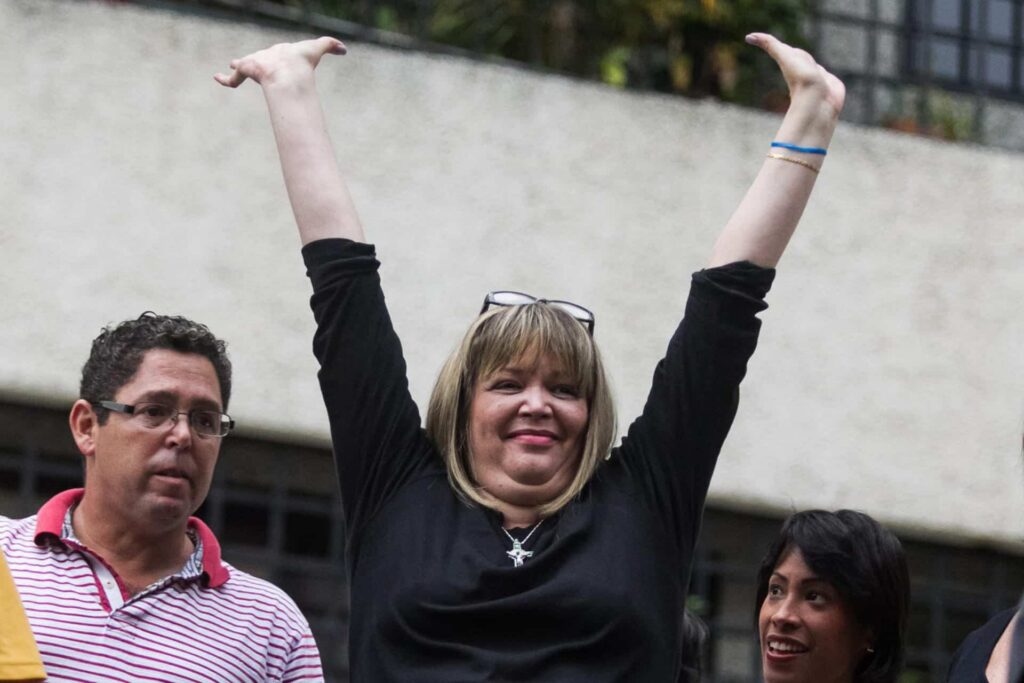
Echoes of Injustice
While the closure of Afiuni’s case brings a sense of relief, it does not erase the profound injustices she and countless others have suffered. The non-governmental organization Provea has pointedly remarked that the resolution fails to hold accountable those responsible for her prolonged suffering. “Freedom for Afiuni does not absolve the state from its history of violations,” they noted, reminding us that the systemic issues of judicial persecution remain unresolved.
The political landscape remains fraught, with many still imprisoned under similar circumstances. Juan Pablo Guanipa, another prominent opposition figure, articulated a hopeful vision for the future, insisting that Afiuni’s release could pave the way for comprehensive reforms that would abolish political imprisonment altogether. “Let this be a step towards the freedom of all political prisoners,” he underscored.
A Harrowing Journey
Afiuni’s journey began in December 2009 when she granted bail to a banker accused of financial crimes. The ruling drew the ire of then-President Hugo Chávez, who sought to imprison her on accusations of complicity in the banker’s flight from justice. Despite being released under house arrest in 2011, her freedom was anything but total. Afiuni faced a series of legal challenges that culminated in a five-year sentence for “spiritual corruption,” a spurious charge that underscored the politicized nature of her imprisonment.
The stranglehold on her freedom was compounded by severe restrictions, including bans on speaking to the press, engaging in political discourse, and even voting. The recent declaration of her full freedom, while a significant victory, does not erase the scars left by years of systemic abuse and neglect.
A Regional Reflection
Afiuni’s plight resonates beyond Venezuela, serving as a cautionary tale for neighboring countries grappling with similar issues of judicial integrity and human rights. Her case illustrates the dangers of politicizing the judicial system and the dire consequences that ensue when the rule of law is subverted for political gain. Afiuni’s family echoed this sentiment, stating that while her release signifies an end to an agonizing chapter, it remains a poignant reminder of the ongoing challenges faced by those who uphold the law with integrity.
Looking Ahead
The recent release of María Lourdes Afiuni comes at a time when Venezuela is experiencing a significant shift, as dialogues for democratic restoration are underway. With the backdrop of U.S. involvement and negotiations between the government and opposition factions, her case brings renewed attention to the need for systemic change within the judicial framework.
As the country navigates this pivotal moment, the hope is that Afiuni’s story can inspire a broader movement towards justice, accountability, and the preservation of human rights for all Venezuelans. The future remains uncertain, but the spirit of resilience and the pursuit of justice continue to drive the narrative forward.
Editorial note: This article was created by A Bit Lavish Miami’s Magazine as an original editorial reinterpretation based on publicly available reporting. Original source: efectococuyo.com. Read the original article here: https://efectococuyo.com/destacado-1/politicos-y-activistas-saludan-libertad-de-afiuni-y-denuncian-omision-de-responsables/.
Images are used for editorial reference with source credit. If an image requires correction or removal, please contact A Bit Lavish.








Venezuela’s Resource Sovereignty: A New Era of Collaboration
Exploring Venezuela's commitment to maintaining control over its resources while collaborating with...
 2 Mins read

A Glimpse into Venezuela’s Power Struggles: The Night of Darkness
Explore the recent blackout that swept across five states in Venezuela, revealing...
2 Mins read
The Silent Struggle: Women Behind Bars in Venezuela
Explore the ongoing plight of political prisoners in Venezuela, focusing on the...
2 Mins read



From Petare to La Guaira: Reviving Childhood Through Cinema and Stories
Discover how Zona de Descarga is bringing joy and emotional healing to...
3 Mins read
