

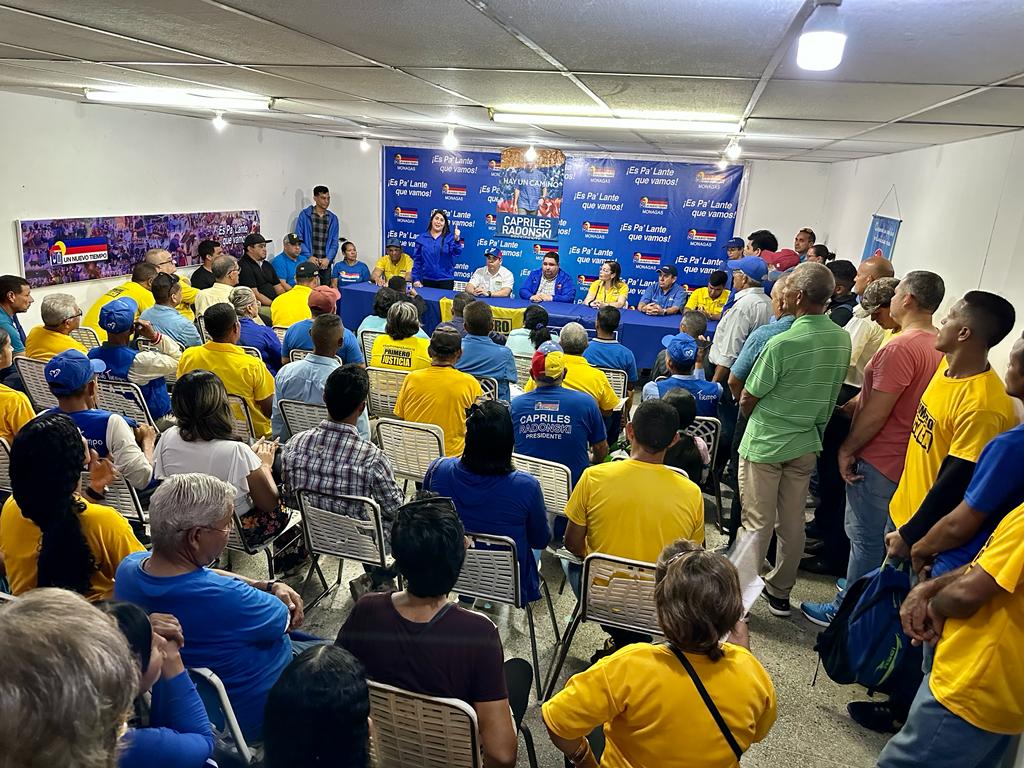
A New Chapter in Venezuelan Politics
On August 1, a significant dialogue initiative is set to commence in Venezuela, spearheaded by the political parties Un Nuevo Tiempo (UNT) and Primero Justicia (PJ). This moment is being hailed as a potential turning point in the ongoing struggle for democracy in the country. With the current National Assembly, dominated by Chavismo, presenting formidable challenges, the appointment of Dinorah Figuera and a mixed commission from the 2015 Assembly signifies a critical attempt to bridge the political divide.
The Call for Unity
In a recent statement, UNT emphasized the urgent necessity for a cohesive democratic alliance that encompasses diverse political, social, and civic forces. The party recognizes that unity does not equate to uniformity; rather, it is about aligning on fundamental principles while respecting the unique contributions of various stakeholders. This coalition aims to foster a collaborative spirit among citizens, students, businesses, and unions, all committed to restoring constitutional order and rebuilding the nation.
Institutional Reconstruction
Central to UNT’s vision for Venezuela’s political future is the establishment of a new National Electoral Council (CNE). Dominated by pro-Chavista figures, the current CNE has been criticized for lacking the independence and professionalism essential for transparent electoral processes. UNT insists that the reconstitution of this body is a foundational step toward ensuring fair and verifiable elections, thereby restoring faith in democracy.
A Historic Opportunity
First Justice has expressed optimism about this dialogue, viewing it as an “historic opportunity” to reclaim democratic governance. The party’s leadership has reaffirmed its commitment to the principles set forth by key figures such as María Corina Machado and Edmundo González Urrutia, highlighting their roles in steering Venezuela back toward a government that reflects the will of the people. The 2015 Assembly is seen as the last legitimate democratic institution in the country, and its support is crucial for the success of this initiative.
Setting the Agenda for Change
Leaders such as Machado and González have articulated the expectations for this dialogue, which include establishing a timely presidential electoral schedule. They stress that the evaluation of this process will hinge on tangible outcomes, including the restoration of democratic institutions, the release of political prisoners, and the provision of guarantees for all political actors involved.
International Engagement in Venezuelan Affairs
The dialogue is not merely a domestic affair; it has garnered attention from the international community, particularly from the United States. U.S. Secretary of State Marco Rubio has indicated that Figuera’s role could be pivotal in facilitating reconciliation within Venezuela. The involvement of international actors reflects the global stakes tied to the political stability of the region, emphasizing the intricate connections between local politics and international diplomacy.
Looking Ahead
As this dialogue unfolds, the hopes of Venezuelans rest on the ability of their leaders to navigate this complex landscape with prudence and a strong sense of national responsibility. It remains to be seen whether this initiative can truly catalyze the restoration of democracy and usher in a new era for Venezuela.
Editorial note: This article was created by A Bit Lavish Miami’s Magazine as an original editorial reinterpretation based on publicly available reporting. Original source: efectococuyo.com. Read the original article here: https://efectococuyo.com/politica/unt-y-pj-califican-dialogo-del-1-de-agosto-como-oportunidad-historica-para-avanzar-hacia-elecciones-presidenciales/.
Images are used for editorial reference with source credit. If an image requires correction or removal, please contact A Bit Lavish.



Venezuela Reports 8.4% Inflation Rate for September 2026
The Central Bank of Venezuela has announced an inflation rate of 8.4%...
 2 Mins read
A Shift in the Winds: Flávio Bolsonaro’s Call for Change in Brazil
Explore Flávio Bolsonaro's vision for Brazil's future following his strong showing in...
2 Mins read
A Surprising Turn in Brazilian Politics: Lula’s Unexpected First-Round Results
Brazil's President Luiz Inácio Lula da Silva reacts to unexpected election results,...
2 Mins read
Venezuela’s Inflation Rate Hits 8.4% in September 2026
The Central Bank of Venezuela has reported an inflation rate of 8.4%...
2 Mins read