

The Resilience of Venezuelan Politics
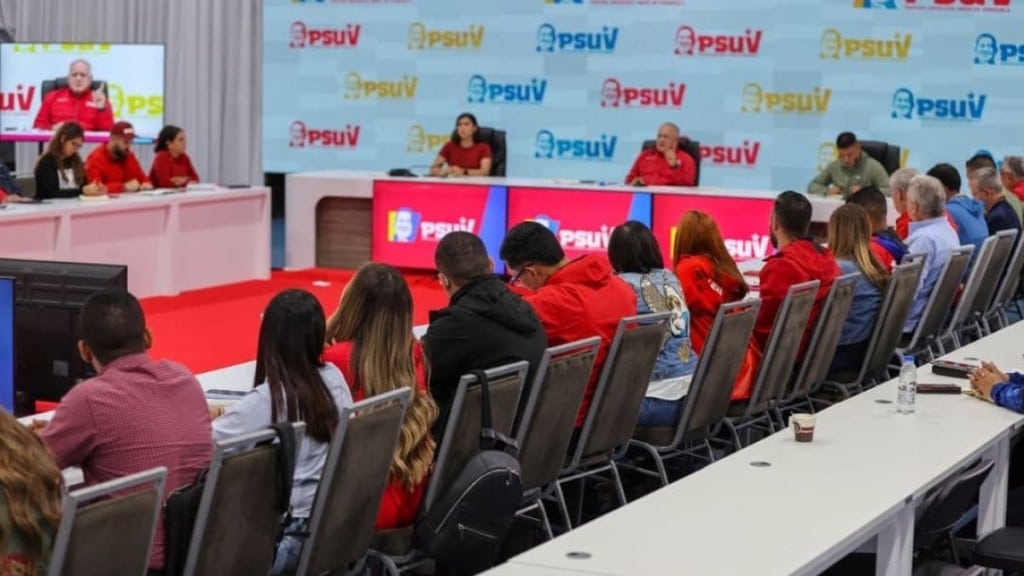
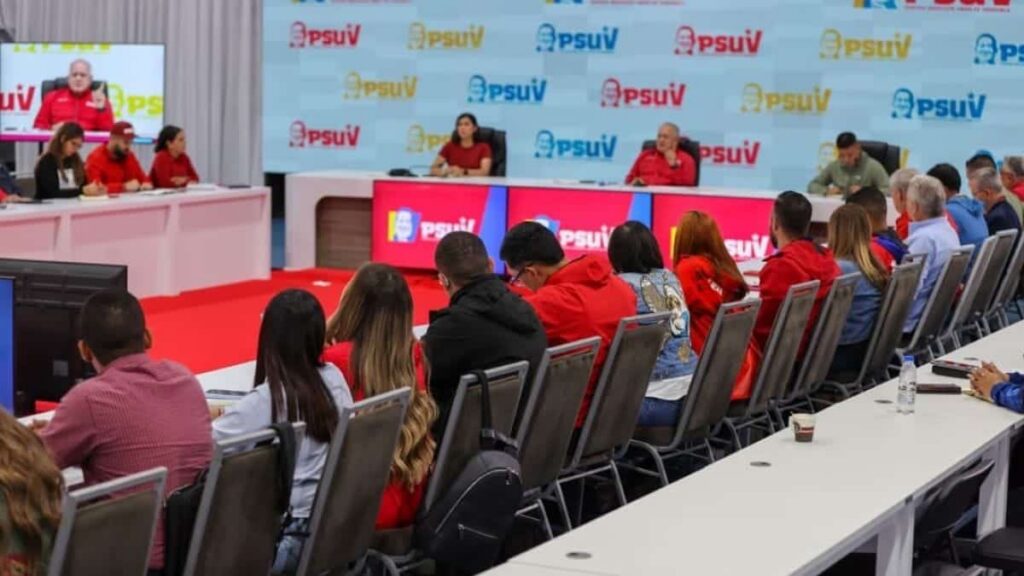
In the wake of significant seismic events that shook Venezuela on June 24, the political landscape continues to evolve. Diosdado Cabello, Secretary General of the United Socialist Party of Venezuela (Psuv) and Minister of Interior and Justice, has taken a leading role in navigating these tumultuous waters. Resuming press conferences nearly a month after the dual earthquakes, Cabello expressed gratitude to national security agencies and the Psuv’s structural network for their swift response to the crisis.
Facing Adversity with Unity
Cabello’s recent statements reveal a deep commitment to overcoming adversity. He condemned what he perceives as orchestrated media campaigns aimed at undermining the government, particularly during a time of tragedy. As the government continues to address the aftermath of the earthquakes, Cabello remains steadfast in his support for his colleagues, including Delcy Rodríguez, emphasizing their dedicated work amidst the chaos.
Dialogue: A Path Forward
As Venezuela approaches a new phase of political dialogue scheduled to commence on August 1, Cabello’s words carry weight. He has publicly endorsed the dialogue initiative between the chavista-dominated Parliament and the 2015 National Assembly’s Delegated Commission. However, he was quick to clarify that engagement in dialogue does not imply capitulation. “We will go united,” Cabello asserted, emphasizing the strength and unity of the Psuv as they prepare for negotiations.
Contrasting Approaches
The upcoming discussions present an opportunity for both sides of the political divide, but the contrast between the chavista and opposition approaches is stark. While the opposition seems fragmented, with some voices expressing skepticism about the dialogue’s authenticity, Cabello reassured that the Psuv will approach the table with clear proposals aimed at lifting sanctions and fostering peace, all while upholding constitutional respect.
Political Maneuvering and Public Sentiment
In a pointed critique of opposition leader María Corina Machado, Cabello accused her of failing to take actionable steps for the Venezuelan populace. The tensions within the opposition were evident when Machado and Edmundo González issued a statement distancing themselves from the dialogue process, asserting their intent to monitor outcomes closely, particularly regarding political prisoner releases and the establishment of a presidential election timeline.
The Bigger Picture: International Relations
Adding another layer to the political narrative, Cabello accompanied the recent announcements from Venezuela’s Ministry of Foreign Affairs regarding the country’s withdrawal from the International Criminal Court (ICC). He articulated a belief that participation in such international bodies is unnecessary, given the myriad failures to address global crimes effectively. This decision signals a bold stance as Venezuela seeks to redefine its international relationships and assert its sovereignty.
Miami’s Connection to Venezuelan Affairs
As Miami remains a vibrant hub for Venezuelan expatriates, the ramifications of these political developments resonate strongly within the local community. Many Venezuelans in Miami are closely watching the dialogue and its potential outcomes, hoping for a future that enables their homeland to stabilize and thrive. The ongoing political dynamics serve as a reminder of the interconnectedness of Miami and Venezuela, a relationship marked by shared histories and aspirations.
Editorial note: This article was created by A Bit Lavish Miami’s Magazine as an original editorial reinterpretation based on publicly available reporting. Original source: efectococuyo.com. Read the original article here: https://efectococuyo.com/politica/dialogo-capitular-cabello-inicio-negociaciones-1-de-agosto/.
Images are used for editorial reference with source credit. If an image requires correction or removal, please contact A Bit Lavish.



Venezuela Reports 8.4% Inflation Rate for September 2026
The Central Bank of Venezuela has announced an inflation rate of 8.4%...
 2 Mins read
A Shift in the Winds: Flávio Bolsonaro’s Call for Change in Brazil
Explore Flávio Bolsonaro's vision for Brazil's future following his strong showing in...
2 Mins read
A Surprising Turn in Brazilian Politics: Lula’s Unexpected First-Round Results
Brazil's President Luiz Inácio Lula da Silva reacts to unexpected election results,...
2 Mins read
Venezuela’s Inflation Rate Hits 8.4% in September 2026
The Central Bank of Venezuela has reported an inflation rate of 8.4%...
2 Mins read