

Unfolding the Narrative of Injustice
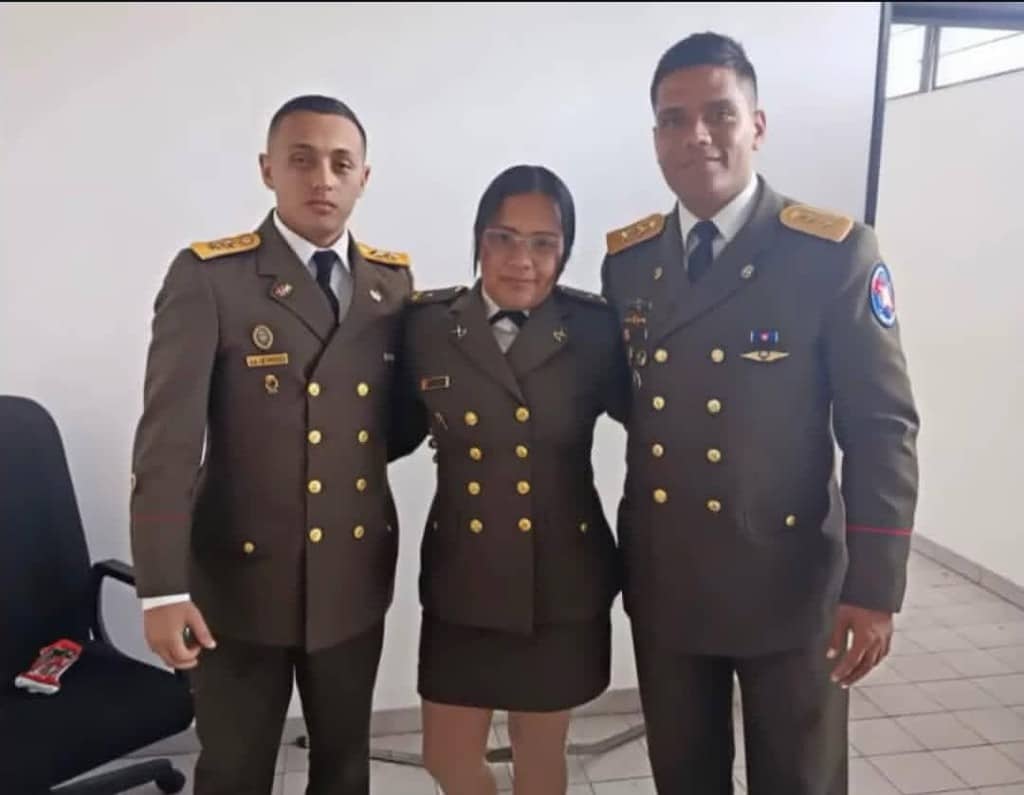
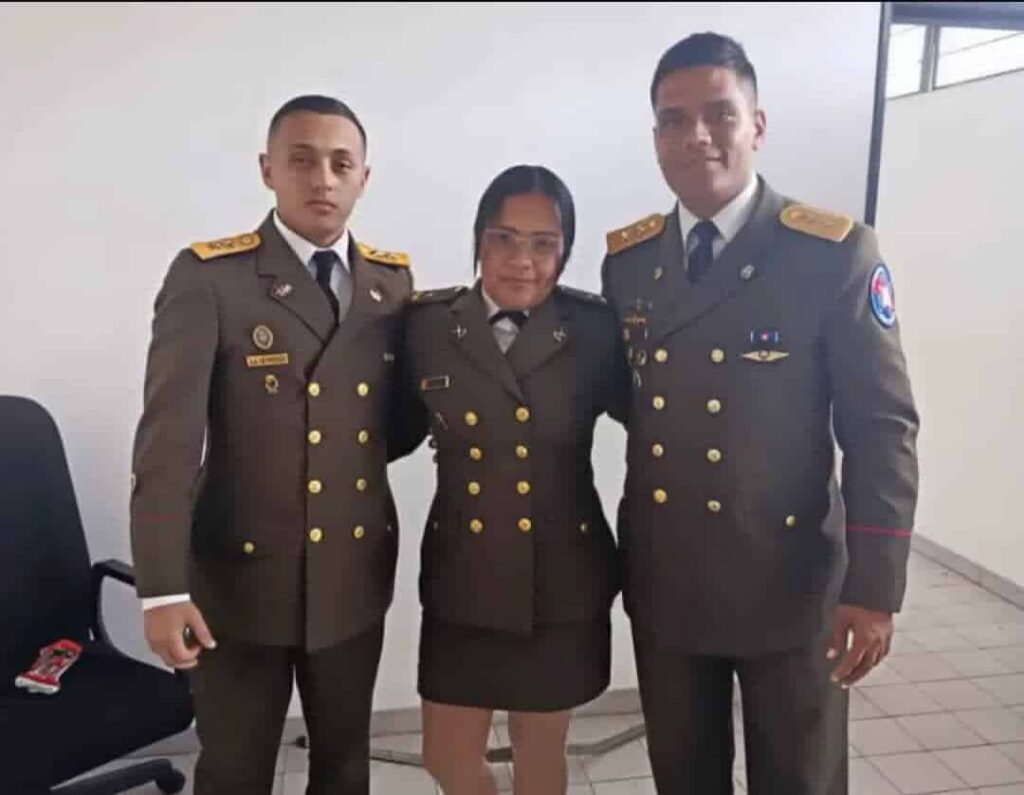
In a significant yet bittersweet development, three military personnel were released from the confines of Ramo Verde Military Processing Center on August 19. This momentous occasion, confirmed by the Committee for the Freedom of Political Prisoners (CLIPPVE), saw the reunion of Marcos David Insignares García, Wladimir Rafael Escalona Gutiérrez, and Riannys Valentina Mujica de Montesinos with their families. While this release marks a beacon of hope for some, it raises critical questions regarding the broader political landscape in Venezuela.
The Shadow of the Brazalete Blanco Case
The three individuals were previously implicated in what is infamously known as the “Brazalete Blanco” operation, a purported conspiracy unveiled in early 2024. Official narratives from state intelligence agencies painted a grave picture, alleging that the plan aimed to harm Táchira state governor Freddy Bernal and other government officials while inciting civil unrest. The accusations against them were severe, ranging from treason to attempted murder and terrorism.
Voices of Dissent
Despite the official stance, numerous human rights organizations and international observers have contested the legitimacy of the charges. They have documented various irregularities throughout the legal proceedings, including unlawful detentions and continual delays that have plagued this case. The concern is not merely about these three individuals but extends to the broader context of political repression in Venezuela, where many remain unjustly imprisoned.
Calls for Comprehensive Reform
As families rejoiced at the release of their loved ones, the CLIPPVE emphasized that this should not be viewed as an isolated event. The committee articulated a strong message: all political prisoners deserve freedom. Their statements underscored that the path to justice should not falter and that the movement for liberation must continue until every unjustly detained individual is set free.
Implications for the Future
This release also brings to light the pressing need for reform in Venezuela’s judicial system. Civil organizations are advocating for the publication of official lists of those released and for measures that ensure full freedom, as many individuals still face restrictions, including periodic court appearances and travel bans. The fight for civil and political rights is far from over, and the focus must remain on securing comprehensive guarantees for all citizens.
Miami’s Connection to Venezuelan Struggles
In Miami, a city with a significant Venezuelan diaspora, the implications of these political developments resonate deeply. The local community continues to advocate for the rights of their compatriots, often organizing events and raising awareness about the plight of political prisoners. Miami serves as a crucial platform for dialogue and action, where stories of resilience and the call for justice echo throughout its vibrant neighborhoods.
A Collective Hope for Justice
The story of the recent political prisoners’ release is emblematic of the ongoing struggle for justice within Venezuela. While the release of Insignares García, Escalona Gutiérrez, and Mujica de Montesinos is a cause for celebration, it also serves as a reminder of the many who remain behind bars. The international community, together with local advocates, must continue to push for accountability and reform, ensuring that the dream of freedom is not just a fleeting moment but a reality for all.
Editorial note: This article was created by A Bit Lavish Miami’s Magazine as an original editorial reinterpretation based on publicly available reporting. Original source: efectococuyo.com. Read the original article here: https://efectococuyo.com/la-humanidad/excarcelan-a-tres-militares-involucrados-en-el-caso-brazalete-blanco/.
Images are used for editorial reference with source credit. If an image requires correction or removal, please contact A Bit Lavish.







Shooting of Venezuelan DoorDash Driver by ICE Agent in Austin Sparks Protests
The shooting of a Venezuelan DoorDash driver by an ICE agent in...
 2 Mins read
Shooting of Venezuelan Man by ICE Officer in Austin Raises Public Safety Concerns
The shooting incident involving a Venezuelan man by an ICE officer in...
1 Mins read
Venezuela Extradites 18 Suspects in Assassination of Haiti’s President to the U.S.
The extradition of suspects in the assassination of Haiti's president marks a...
2 Mins read


Human Rights Watch Calls on Venezuela to Uphold Basic Rights and Release Political Prisoners
The international human rights organization urges the Venezuelan government to protect fundamental...
2 Mins read
