

Voices of Resistance
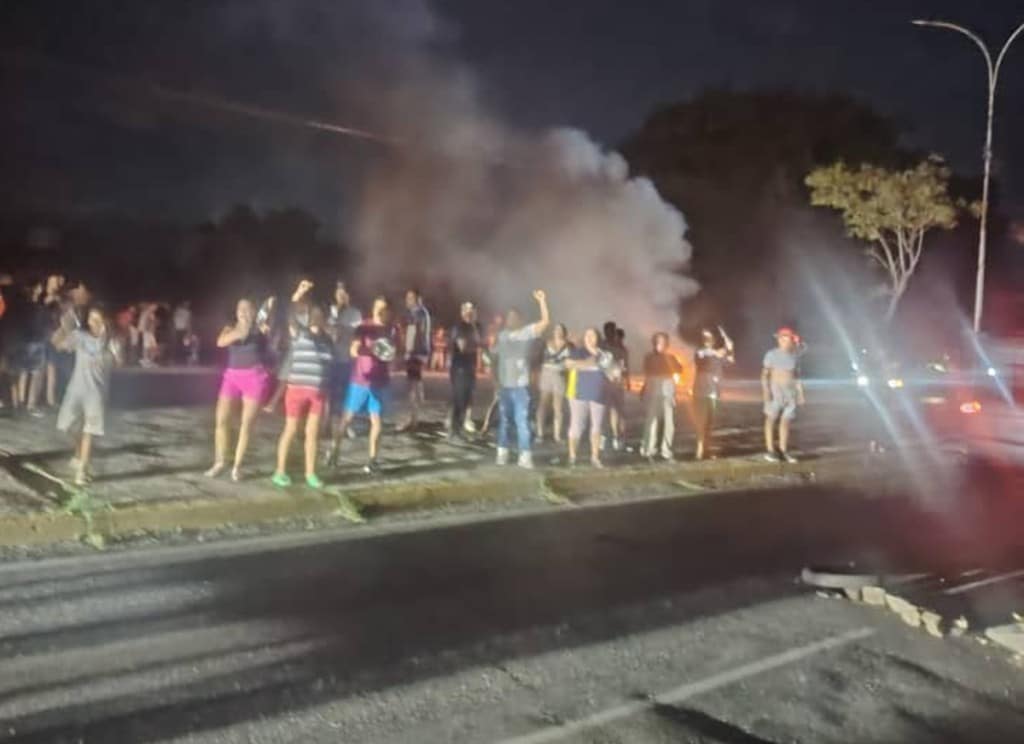
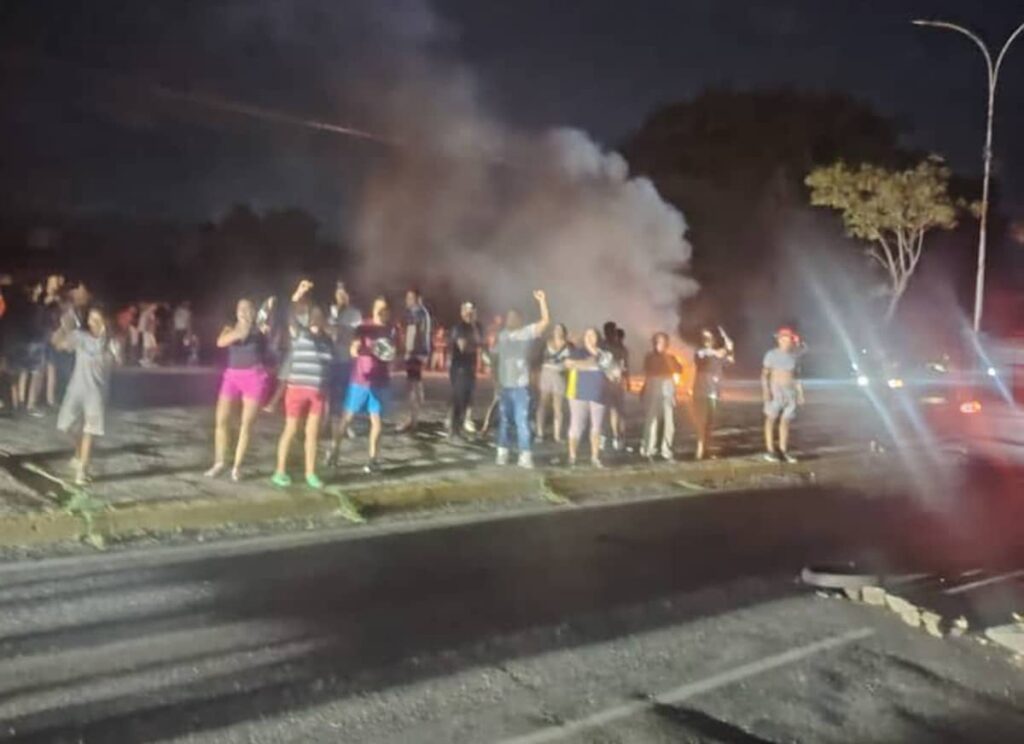
On a tumultuous night in early August, residents from the states of Aragua and Carabobo took to the streets, uniting in a fervent protest against the persistent electrical outages that have plagued their daily lives. In Maracay, the capital of Aragua, citizens gathered along the Intercomunal Turmero avenue, wielding pots and pans as percussion instruments, symbolizing their frustration and determination. Meanwhile, in Valencia, protests erupted in neighborhoods such as El Trigal and La Florida, with demonstrators gathering in front of the official residence of the governor, all demanding change.
A Pattern of Struggle
This latest wave of protests is not an isolated event but rather part of a broader pattern of social unrest that has been intensifying since Delcy Rodríguez assumed her role as interim president in January 2026, following the controversial capture of Nicolás Maduro by U.S. forces. The Observatorio Venezolano de Conflictividad Social (OVCS) has reported a staggering 144% increase in protests during the first quarter of 2026 compared to the previous year, with nearly 1,926 demonstrations recorded. Citizens are calling for civil rights, political freedoms, the release of political prisoners, and improvements in basic services.
Mobilizations Across the Nation
Shortly after Rodríguez took office, a series of mobilizations began, particularly captured through student protests in Caracas as young people challenged the political status quo. These demonstrations, often met with force from law enforcement, highlighted a growing dissatisfaction with the current government. In April, a significant march occurred in Caracas led by workers and retirees demanding wage increases and better pension provisions, as many continue to survive on minimal earnings.

The Impact of Natural Disasters
Even the catastrophic earthquakes that struck Venezuela in June, causing widespread devastation and loss of life, did not quell the growing unrest. Instead, the government’s inadequate response to the crisis fueled further outrage among the populace. On July 8, a coalition of civil society members, labor unions, and retirees marched in Caracas, calling for the end of Rodríguez’s interim governance and demanding new presidential elections. The protests highlighted not just the immediate need for political change but also a profound desire for accountability in managing national emergencies.
Calls for Transparency and Unity
As dialogues between the interim government and certain opposition factions began in early August, the streets of Venezuela remained alive with dissent. While some chavista factions protested against perceived foreign interference in the negotiations, others within the labor movements continued to advocate for a transparent dialogue that includes all significant political forces and leads to fair elections. The ongoing protests reflect a steadfast commitment among the Venezuelan people to pursue better governance and essential services, underlining their resilience in the face of adversity.
A Community in Crisis
The current climate in Venezuela is one of heightened tension, as citizens remain vigilant in their demands for basic necessities like electricity and water, along with fair labor practices. The protests on August 3 mark just another chapter in a story of struggle that has persisted over the past months, driven by a populace determined to assert its rights amidst an ongoing humanitarian crisis.

Editorial note: This article was created by A Bit Lavish Miami’s Magazine as an original editorial reinterpretation based on publicly available reporting. Original source: efectococuyo.com. Read the original article here: https://efectococuyo.com/la-humanidad/fallas-electricas-desatan-nuevas-protestas-en-venezuela/.
Images are used for editorial reference with source credit. If an image requires correction or removal, please contact A Bit Lavish.









Shooting of Venezuelan DoorDash Driver by ICE Agent in Austin Sparks Protests
The shooting of a Venezuelan DoorDash driver by an ICE agent in...
 2 Mins read
Shooting of Venezuelan Man by ICE Officer in Austin Raises Public Safety Concerns
The shooting incident involving a Venezuelan man by an ICE officer in...
1 Mins read
Venezuela Extradites 18 Suspects in Assassination of Haiti’s President to the U.S.
The extradition of suspects in the assassination of Haiti's president marks a...
2 Mins read


Human Rights Watch Calls on Venezuela to Uphold Basic Rights and Release Political Prisoners
The international human rights organization urges the Venezuelan government to protect fundamental...
2 Mins read
