

A Heartbreaking Toll
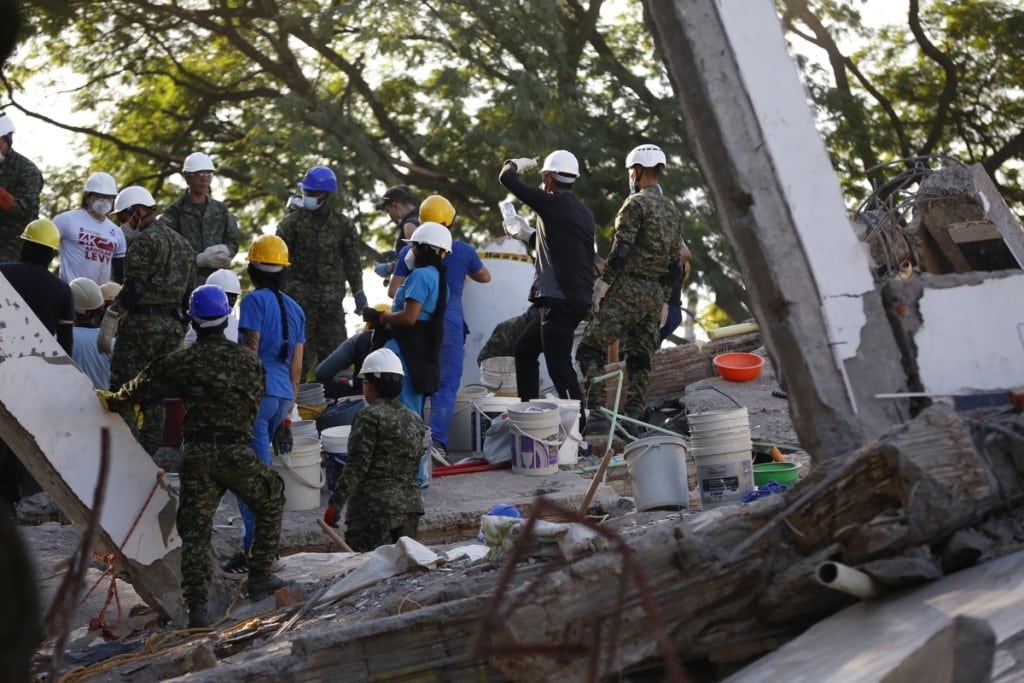
In a harrowing turn of events, the recent earthquake that struck Colombia has left a significant mark on the nation. With a magnitude of 7.4, this catastrophic event has resulted in the tragic loss of 169 lives, a number that may still rise as rescue operations continue. The Colombian Association of Capital Cities (Asocapitales) reported that 165 of these fatalities occurred in urban centers, indicating a concentrated impact on cities that house the majority of the population.
Urban Centers in Crisis
Cali, the capital of Valle del Cauca, bore the brunt of this disaster, with at least 85 reported deaths. Close behind is Pereira, where the earthquake’s epicenter was located near San José del Palmar in Chocó, tallying 66 fatalities. This narrow scope of data primarily reflects urban casualties, leaving the situations in rural towns and smaller communities largely unaccounted for. Reports indicate that many families are still searching for loved ones, further amplifying the heartache as they grapple with uncertainty.
The Aftermath: Infrastructure in Ruins
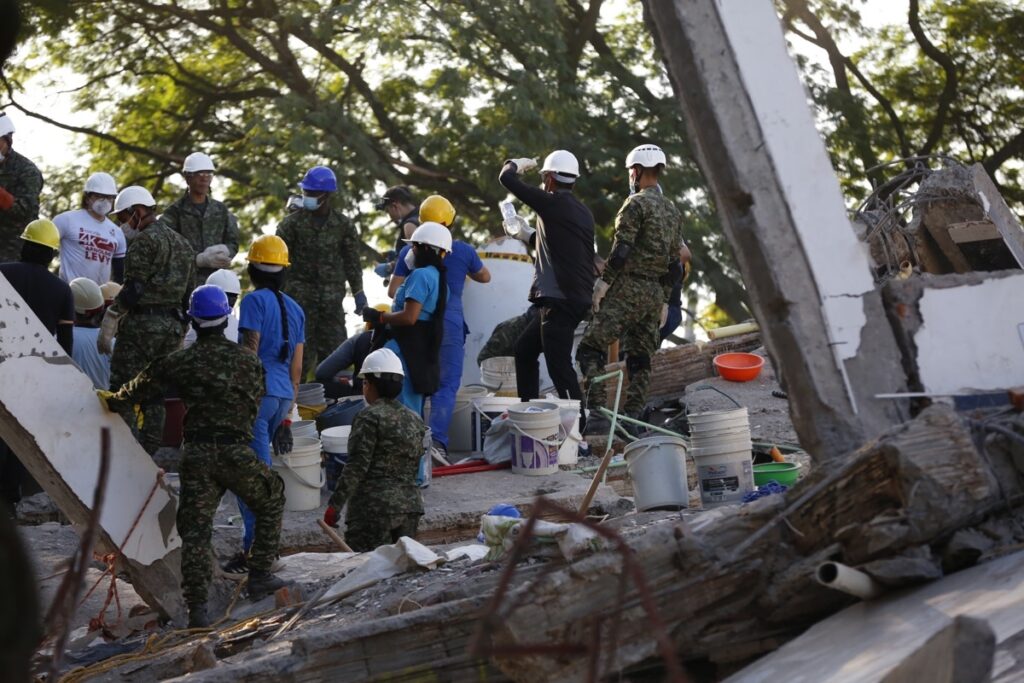
The earthquake has wreaked havoc on essential infrastructure throughout the affected regions. Buildings have collapsed, causing not only loss of life but also extensive damage to homes and public services. Hospitals, airports, and transportation systems are among those impacted, creating a compounded crisis for residents and responders alike. Cities such as Pereira, Cali, Quibdó, Manizales, and Armenia remain on red alert, dealing with the aftermath of over 165 collapsed structures.
A Broader Context: Tectonic Connections
Interestingly, this seismic event does not exist in isolation; it shares a complex tectonic context with neighboring Venezuela. The geographical positioning of Colombia and Venezuela places both nations within similar seismic zones, raising questions about preparedness and response strategies. The interconnectedness of these territories illustrates the broader implications of natural disasters, where solidarity and support become paramount.
Emerging Solidarity and Resilience
In times of tragedy, the resilience of communities often shines through. As Colombia faces this overwhelming crisis, both local and international responses are mobilizing to aid those affected. Organizations are coming together to provide essential supplies, medical assistance, and emotional support to help families navigate the aftermath. This spirit of solidarity serves as a reminder of the strength found in unity, even amidst profound sorrow.
Looking Ahead: Recovery and Rebuilding
The path to recovery will undoubtedly be long and fraught with challenges. As Colombia begins to assess the full extent of the damage, discussions surrounding rebuilding efforts and disaster preparedness will take center stage. This earthquake has underscored the necessity for comprehensive strategies that not only address immediate needs but also fortify communities against future seismic threats.
As the world watches, the resilience of Colombia will be tested, but it is this very resilience that will guide the nation toward healing and rebuilding in the wake of such a devastating loss.
Editorial note: This article was created by A Bit Lavish Miami’s Magazine as an original editorial reinterpretation based on publicly available reporting. Original source: efectococuyo.com. Read the original article here: https://efectococuyo.com/internacionales/sube-a-169-el-numero-de-muertos-y-a-668-el-de-heridos-por-el-terremoto-en-colombia/.
Images are used for editorial reference with source credit. If an image requires correction or removal, please contact A Bit Lavish.



Venezuela’s Inflation Rate Hits 8.4% in September 2026
The Central Bank of Venezuela has reported an inflation rate of 8.4%...
 2 Mins read
Navigating the Divide: Brazil’s Polarized Election Landscape
As Brazil approaches a critical election, the nation is divided between Lula...
2 Mins read
A Day of Unity and Compassion: Germany’s National Celebration in La Guaira
On Germany's National Day, the embassy in Venezuela took a humanitarian approach,...
2 Mins read
Former GOP Congressman David Rivera Sentenced to 10 Years for Secret Lobbying Tied to Venezuela
David Rivera's sentencing marks a significant moment in the intersection of U.S....
1 Mins read