

A Deep Dive into the Recent Seismic Activity
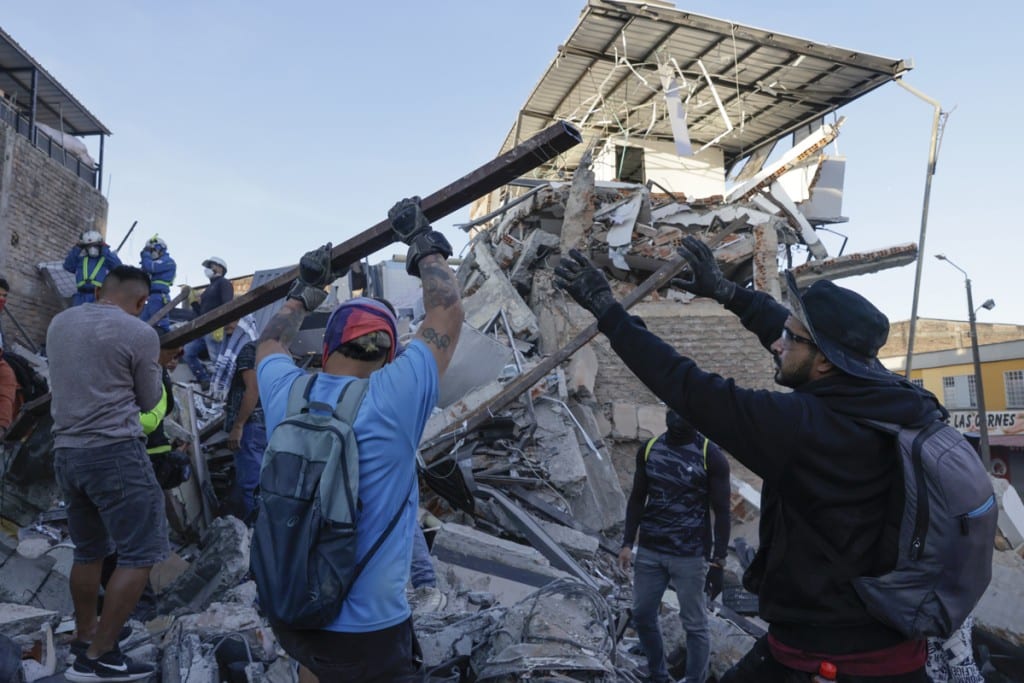
In a striking geological event that has captured the attention of scientists and residents alike, Colombia experienced a significant earthquake on a recent Monday, registering a magnitude of 7.4. The tremor, which originated at a depth of 100 kilometers near San José del Palmar in the Chocó department, is characterized as a ‘subduction earthquake’—a phenomenon that is both intricate and worthy of comprehensive study, particularly given its far-reaching consequences despite its considerable depth.
Unraveling the Tectonic Context
According to Raúl Pérez from Spain’s Geological and Mining Institute, this recent seismic activity is deeply entwined with the tectonic framework that also influences Venezuela. This connection lies at the boundary between the Nazca and South American tectonic plates. The nature of this earthquake, described as a ‘complex event’, requires careful examination to understand its implications fully, especially when considering the recent devastating earthquakes that struck Venezuela just a few months prior.
Similarities and Distinctiveness
While both Colombia’s recent earthquake and those in Venezuela share a common tectonic environment, they are distinguished by two critical factors: depth and distance. The Venezuelan earthquakes occurred at a shallow depth of 10 kilometers, in stark contrast to Colombia’s deeper tremor. Furthermore, the epicenters are separated by approximately 1,000 kilometers, illustrating the diverse seismic behaviors within this tectonic region.
Understanding the Local Impact
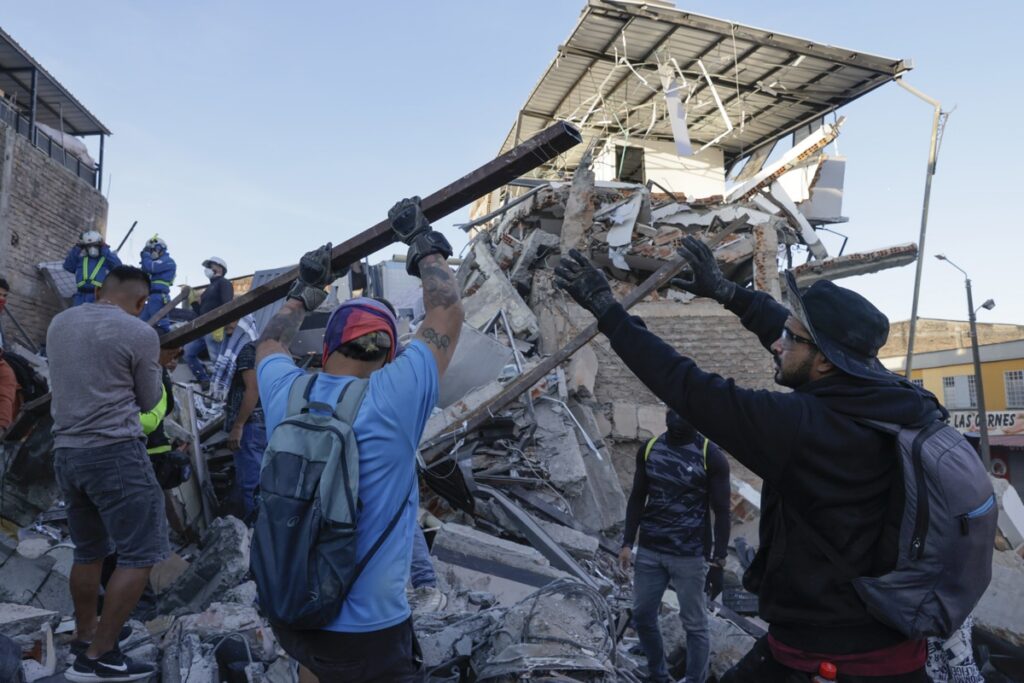
The phenomenon known as ‘site effect’ plays a vital role in how earthquakes impact local structures. In areas where the geological and mechanical properties of the ground amplify seismic waves, the resulting vibrations can lead to greater damage. Despite being located deep underground, the recent Colombian earthquake demonstrated an unexpected capacity for destruction, raising questions about how such a deep event can inflict significant harm.
Looking Ahead: Monitoring and Preparedness
As experts continue to analyze the implications of the quake, vigilance remains paramount. The protocol following such seismic events involves detecting the earthquake, identifying the responsible fault line, and assessing the potential for aftershocks. Although it is impossible to predict earthquakes, scientists work meticulously to understand the movements of fault lines, which aids in forecasting the likelihood of future tremors. In Colombia, the anticipation of aftershocks is heightened due to the recent nature of the event, although the depth of this earthquake may result in less pronounced aftershocks compared to those previously experienced in Venezuela.
Potential Cascading Effects
In addition to monitoring aftershocks, there is an essential need to remain alert for ‘cascading effects’. This recent earthquake has also drawn attention to the nearby Puracé volcano, which has seen increased activity. Such interactions between tectonic movements and volcanic activity highlight the intricate and often unpredictable nature of geological phenomena in this region.
A Call for Preparedness in Miami
As Miami continues to grow and develop, understanding the implications of tectonic activity in neighboring regions like Colombia and Venezuela is crucial. The interconnectedness of geological phenomena across borders underscores the need for robust disaster preparedness and resilient infrastructure. While the Miami area is not directly impacted by the same tectonic dynamics, the lessons learned from these seismic events serve as a reminder of the importance of maintaining stringent building codes and preparedness strategies.
Editorial note: This article was created by A Bit Lavish Miami’s Magazine as an original editorial reinterpretation based on publicly available reporting. Original source: efectococuyo.com. Read the original article here: https://efectococuyo.com/internacionales/terremoto-en-colombia-un-sismo-complejo-que-comparte-contexto-tectonico-con-venezuela/.
Images are used for editorial reference with source credit. If an image requires correction or removal, please contact A Bit Lavish.



Venezuela’s Inflation Rate Hits 8.4% in September 2026
The Central Bank of Venezuela has reported an inflation rate of 8.4%...
 2 Mins read
Navigating the Divide: Brazil’s Polarized Election Landscape
As Brazil approaches a critical election, the nation is divided between Lula...
2 Mins read
A Day of Unity and Compassion: Germany’s National Celebration in La Guaira
On Germany's National Day, the embassy in Venezuela took a humanitarian approach,...
2 Mins read
Former GOP Congressman David Rivera Sentenced to 10 Years for Secret Lobbying Tied to Venezuela
David Rivera's sentencing marks a significant moment in the intersection of U.S....
1 Mins read