
Analysts Predict Significant Rise in Gas Prices Amid Market Turbulence
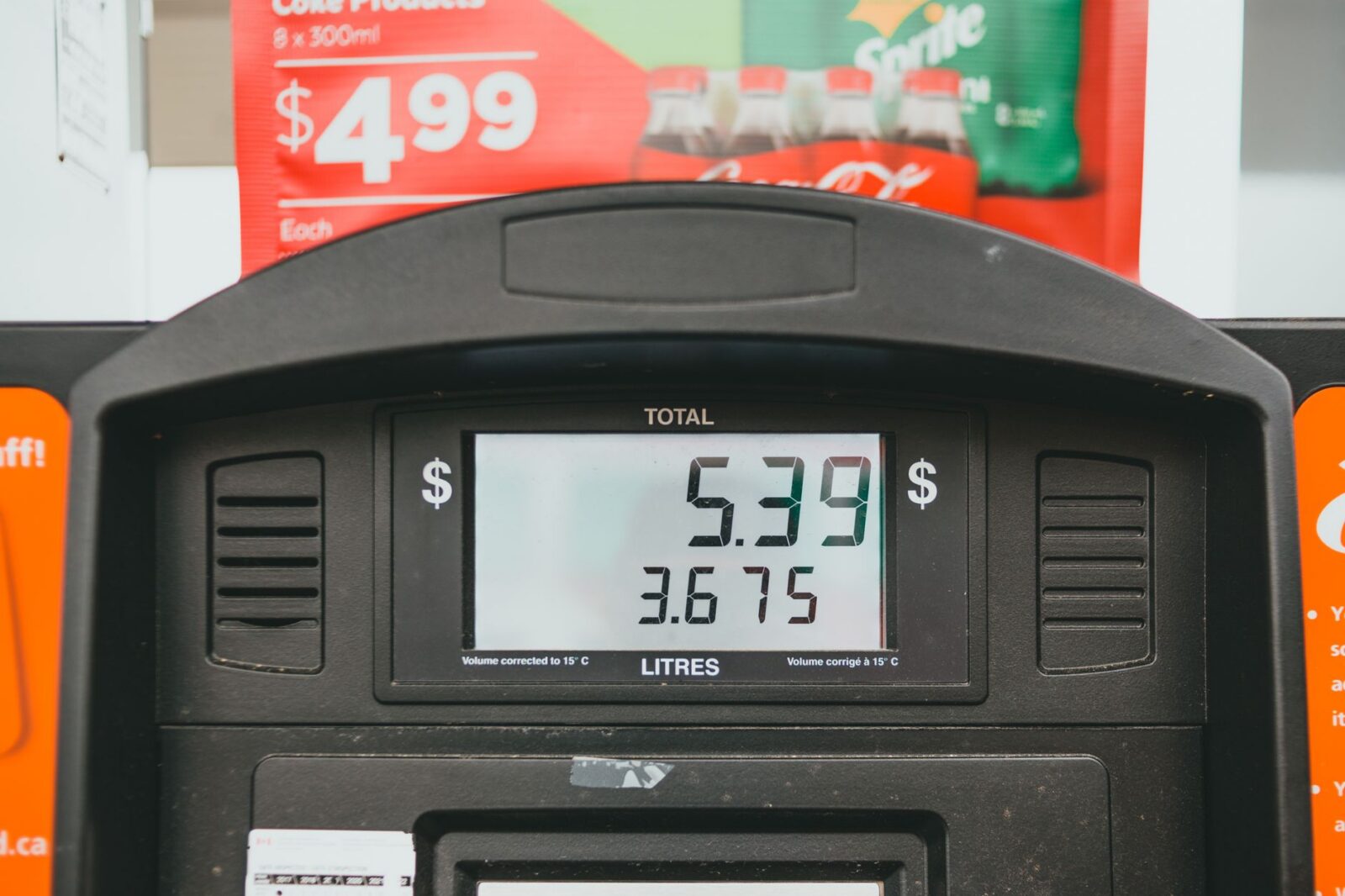
MIAMI — September 18, 2026
Analysts are warning of a significant rise in gas prices, with projections indicating that consumers may soon face higher costs at the pump. This forecast comes amid ongoing market volatility and geopolitical tensions that are affecting oil supply and demand dynamics.
The predictions were detailed in a report published on September 17, 2026, by the Washington Post, which cited various industry experts who anticipate that gas prices could increase substantially in the coming weeks. The report highlights that the current average price of gasoline in the United States is already elevated, and further increases could exacerbate the financial burden on consumers and businesses alike.
Several factors are contributing to this anticipated rise in gas prices. Firstly, the ongoing conflict in key oil-producing regions has led to supply disruptions, which are expected to tighten the market further. Additionally, seasonal demand fluctuations, particularly as the summer driving season transitions into fall, typically influence price movements. Analysts note that these conditions are compounded by recent decisions made by OPEC+ to maintain production cuts, which have been in place to stabilize prices but may now be contributing to upward pressure.
As of now, the national average price for regular gasoline stands at approximately $3.50 per gallon, a figure that could rise by as much as 20% in the near term, according to some estimates. This potential increase is particularly concerning for low- and middle-income households, who are more sensitive to fluctuations in fuel costs.
The significance of this development cannot be overstated. Rising gas prices have a ripple effect on the economy, influencing transportation costs, consumer spending, and overall inflation rates. Economists warn that sustained increases in fuel prices could lead to higher costs for goods and services, further straining household budgets and potentially slowing economic growth.
In light of these developments, consumers are advised to prepare for potential increases in their monthly expenses. Businesses reliant on transportation may also need to reassess their operational budgets and pricing strategies to accommodate the rising costs of fuel.
Looking ahead, it is crucial to monitor how these market conditions evolve. Analysts will be keeping a close eye on geopolitical developments, OPEC+ decisions, and domestic demand trends as they assess the trajectory of gas prices. If the current trends continue, consumers may need to brace for a challenging economic landscape in the months to come.
Source: washingtonpost.com









US Treasury Secretary Bessent Declares Success in China Trade and AI Talks Ahead of Trump-Xi Summit
The recent statement by US Treasury Secretary Bessent highlights significant progress in...
 1 Mins read

US Implements 50% Tariffs on Canadian Dairy Exports, Escalating Trade Tensions
The United States has enacted a new 50% tariff on Canadian dairy...
2 Mins read

US and China Agree to AI Dialogue Ahead of Trump-Xi Meeting
The United States and China have reached an agreement to engage in...
2 Mins read


Trump’s 50% Tariffs on Canada Take Effect, Prompting Retaliation Threats
The implementation of Trump's tariffs on Canadian goods marks a significant escalation...
2 Mins read

Leave a comment