
Boston Dynamics’ Atlas Robot Demonstrates Advanced Soccer Skills, Signaling Progress in Robotics
 ABLUpdated 3 months Ago1 Mins read77
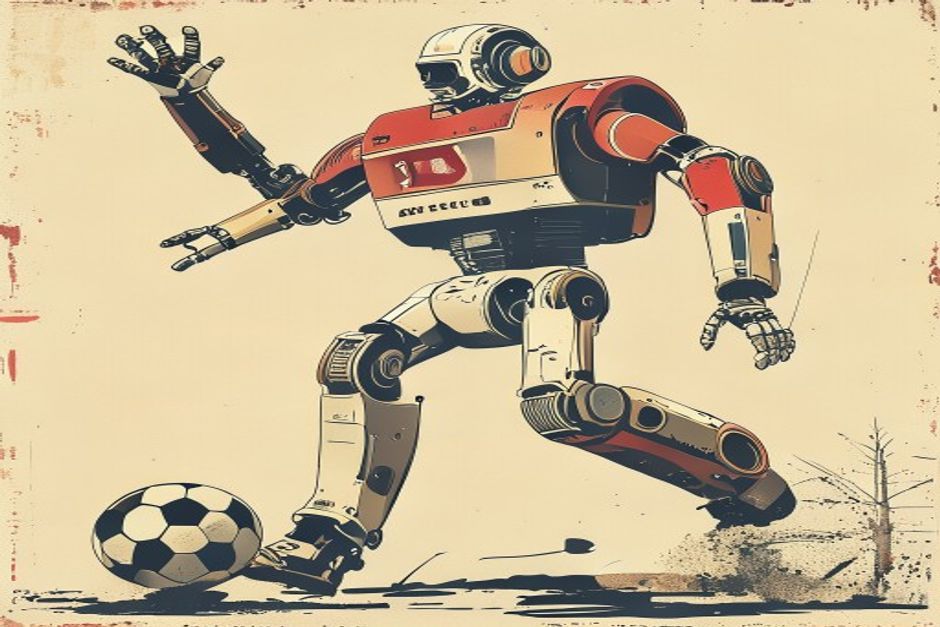
In a recent showcase, Boston Dynamics’ Atlas humanoid robot captivated audiences by executing a series of impressive soccer maneuvers, including dribbling, passing, and even scoring goals. The demonstration, which took place at the company’s headquarters in Waltham, Massachusetts, highlighted the robot’s agility and precision, capabilities that have been honed through years of research and development. This event not only marks a milestone for Boston Dynamics but also reflects broader trends in robotics and artificial intelligence.
Boston Dynamics, founded in 1992 as a spin-off from the Massachusetts Institute of Technology, has been at the forefront of developing advanced robotic systems. The Atlas robot, introduced in 2013, has undergone significant upgrades, including enhanced mobility, balance, and dexterity, allowing it to perform complex tasks that were once considered the domain of science fiction. This latest demonstration serves as a testament to the company’s commitment to pushing the boundaries of what robots can achieve.
The implications of such advancements extend beyond entertainment and showcase potential applications across various industries. As robots like Atlas become more capable, they could be integrated into sectors such as logistics, manufacturing, and even healthcare, where they might assist in tasks ranging from automated delivery to surgical procedures. The ability to perform intricate movements and interact with human environments positions these robots to play a crucial role in the future workforce.
Looking ahead, the continued development of humanoid robots like Atlas raises important questions about the future of human-robot collaboration. As capabilities improve, industries will need to adapt to integrate such technology effectively. Moreover, ethical considerations regarding employment and the societal impact of increasingly autonomous machines will necessitate thoughtful discourse among policymakers, technologists, and the public. The world is watching closely as robotics evolves, with the potential for profound changes on the horizon.
Source: Evrim Ağacı








NASA’s Roman Telescope Set for Launch in Cosmic Mapping Mission
NASA's upcoming launch of the Roman telescope marks a significant advancement in...
 1 Mins read

Morris County Moms for Liberty Initiates Legal Action Against Chatham BOE Over Gender Transition Policy
This lawsuit underscores a growing national debate on parental rights and education...
1 Mins read


COSCON 2026 Brings Together Over 1,250 Aesthetic Medicine Experts in New Delhi
The COSCON 2026 conference underscores the growing global significance of aesthetic medicine,...
1 Mins read

Dolly Parton’s Death Marks a Somber Milestone in Country Music as 2026 Sees Nearly 30 Stars Pass
The loss of Dolly Parton adds to a troubling trend in country...
1 Mins read