
Can You Identify True Wealth by Someone’s Wardrobe?
 ABLUpdated 10 months Ago2 Mins read436
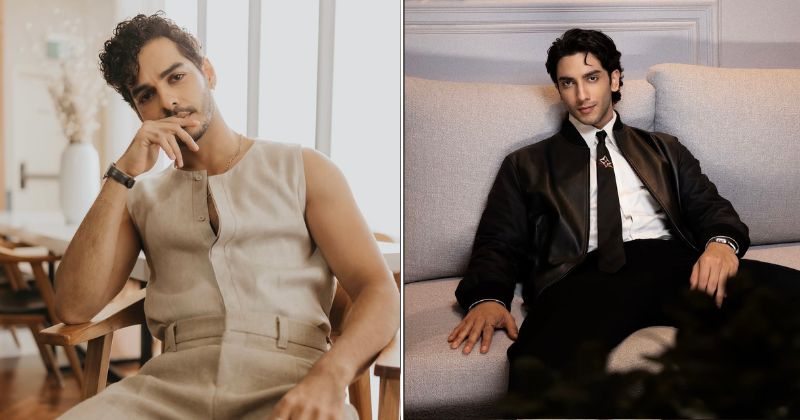
The Quiet Luxury Revolution: Understanding Wealth in 2025
In 2025, the landscape of luxury fashion has transformed dramatically. Gone are the days when a conspicuous Gucci logo or an Hermès belt served as the definitive markers of wealth. The emergence of "quiet luxury" has reshaped our understanding of affluence, revealing that those with substantial financial resources often prefer subtlety over ostentation. Meanwhile, aspirational buyers stretch their budgets thin to project an image of wealth. This raises an intriguing question: can fashion truly distinguish the financially rich from the fashionably rich?
The Illusion of Luxury
Studies have shown that first impressions are formed rapidly, often in less than a second. A Princeton University experiment revealed that individuals assess competence and social class based solely on clothing. This means that a crisp shirt and tailored blazer can convey an image of wealth, even if the wearer is grappling with credit card debt.
A 2023 survey highlighted this phenomenon, revealing that 40% of Gen Z shoppers admitted to incurring debt to purchase luxury items. Globally, nearly three-quarters of luxury spending originates from the middle class, not the elite. This suggests that visible luxury is more about aspiration than actual net worth, creating an illusion that can be misleading.
The Rich Don’t Dress Rich
In stark contrast to the aspirational classes, high-net-worth individuals often exhibit a different approach to fashion. A 2024 study by Long Angle found that families with an average income of approximately $924,000 per year prioritize expenses like housing, childcare, and travel, with clothing taking a backseat. Many of these individuals favor capsule wardrobes filled with durable basics rather than indulging in seasonal splurges.
Recent reports from The Financial Times indicate that even in the most robust luxury markets, sales growth has stagnated as wealthy consumers redirect their spending toward wellness and experiences. This shift signifies a redefinition of status, moving away from material possessions to more meaningful investments.
Conspicuous vs. Conscious
Thorstein Veblen’s concept of “conspicuous consumption” — spending to showcase status — still holds relevance, but the performance has evolved. Today, it is often the aspirational classes who embrace overt signals of wealth, while the affluent practice what can be termed "conspicuous restraint." This manifests in choices like muted cashmere over flashy monograms and heirloom watches instead of hyped drops.
The wealthy are increasingly opting for understated elegance, favoring quality and longevity over fleeting trends. This conscious approach to consumption reflects a deeper understanding of value and a desire to cultivate a personal style that transcends the superficial markers of wealth.
The Verdict
If fashion is indeed a language, then the dialect of wealth speaks in subtleties. The financially rich often feel no need to advertise their affluence, while the fashionably rich may feel compelled to do so. Thus, while it is possible to discern who belongs to which category based on their wardrobe, it requires a discerning eye.
In 2025, the richest person in the room is just as likely to be clad in an unbranded linen shirt as they are to be wearing the season’s must-have designer jacket. This shift in fashion reflects a broader cultural change, where authenticity and personal expression take precedence over the mere display of wealth. As we navigate this new era of quiet luxury, understanding the nuances of style and status becomes essential for anyone seeking to grasp the complexities of wealth in contemporary society.










Discover the Newest Waterproof Gadgets that Come on Sale
I understand how that could positively effect your body, but alchemizing means...
ABL2 Mins read
Quiet Luxury Accessories Market Reaches Record High
The Rise of Quiet-Luxury Accessories: A Comprehensive Market Analysis In recent years,...
ABL2 Mins read

Consumer Harm is Escalating as Luxury Goods Sales Surge via Live Broadcasts on Platforms like Facebook and TikTok
Crackdown on Trademark Infringement in Live Broadcasting: A Growing Concern In recent...
ABL2 Mins read



Italian Regulators Criticize Luxury Brand Cucinelli for Russia Claims
Allegations Against Brunello Cucinelli: A Closer Look at the Controversy Shares in...
ABL2 Mins read
