
Charting a New Course
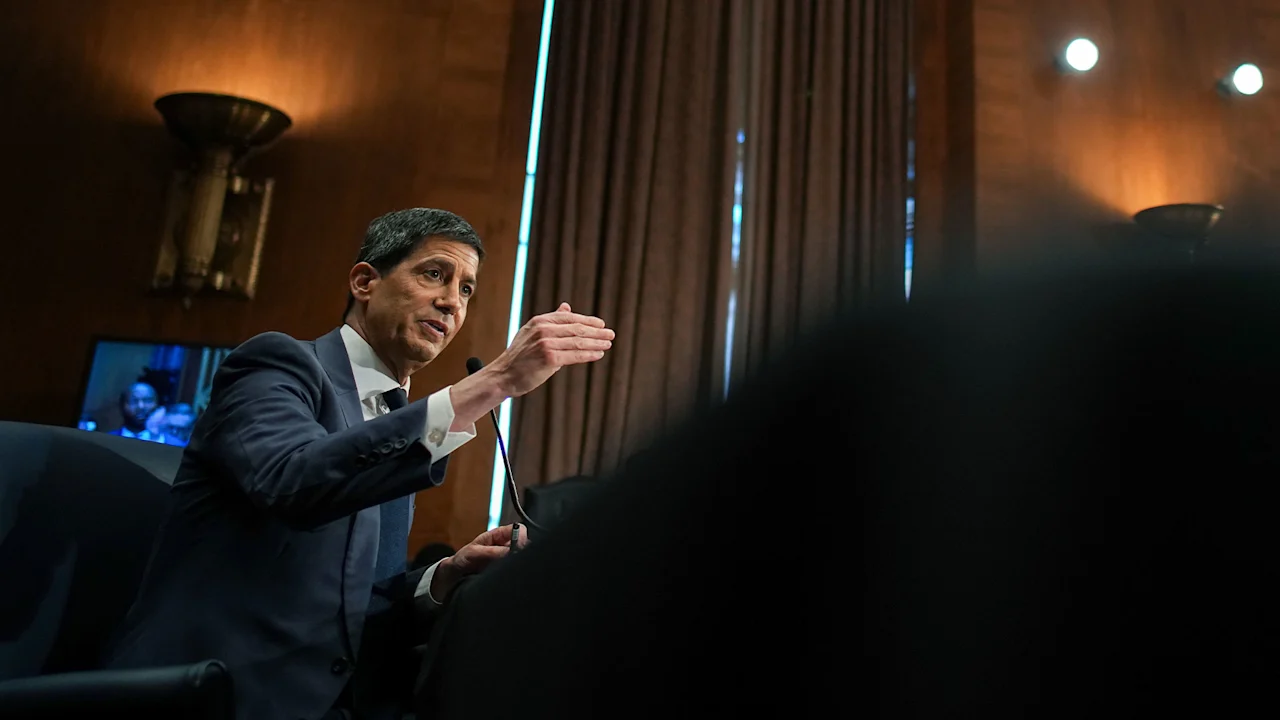
As the Senate gears up to approve Kevin Warsh as the next chair of the Federal Reserve, the financial world is abuzz with speculation about the impact of his leadership on American monetary policy. Warsh, previously a governor at the Fed and a notable figure on Wall Street, is positioned to navigate the delicate balance between independence and political influence in one of the most consequential roles in global finance.
A Legacy of Contradictions
Warsh’s career has been marked by shifting perspectives, particularly on inflation and interest rates. Once seen as a hawk advocating for interest rate hikes to curb inflation, his recent support for rate cuts under former President Trump has raised eyebrows. Critics, including Senator Elizabeth Warren, have highlighted Warsh’s ties to the financial sector, questioning whether his past allegiances might influence his policy decisions. This duality presents a fascinating narrative as he stands on the brink of leading the central bank.
The Fed’s Enormous Footprint
With a staggering $6.7 trillion balance sheet primarily composed of government bonds, the Federal Reserve’s decisions impact everything from consumer prices to mortgage rates. Warsh’s experience in both government and the private sector equips him with a unique perspective on the complexities of monetary policy. As he steps into this pivotal role, his understanding of the financial markets may lend him the acuity needed to make tough decisions that balance growth and inflation.
Political Dynamics at Play
Political pressures have always loomed large over the Federal Reserve, and Warsh’s confirmation is no exception. The shadow of former President Trump’s influence looms, with the former leader’s overt attempts to sway the Fed’s direction raising questions about the central bank’s autonomy. However, Warsh’s financial background may provide him with the fortitude to resist such pressures, echoing the independence demonstrated by his predecessor, Jerome Powell.
Financial Sector Influences
Warsh’s history in finance could shape his approach to policy, particularly as he addresses the challenges posed by current inflationary trends. With economists adjusting their forecasts in light of rising oil prices and ongoing fiscal policies, the Fed’s response will be closely watched. Warsh’s stance on the Fed’s extensive balance sheet and its implications for long-term economic health will likely reflect a blend of his past experiences and the current economic landscape.
Looking Ahead: A Balancing Act
As Warsh prepares for what could be a transformative tenure at the Federal Reserve, the stakes are high. The interplay between his financial acumen and the political landscape presents a dual-edged sword that could redefine the Fed’s role in stabilizing the economy. While his experience may foster independence, it also raises the specter of Wall Street’s influence on monetary policy. In a world where economic decisions ripple through every facet of daily life, Warsh’s leadership will be pivotal in shaping the future of American finance.
Editorial note: This article was created by A Bit Lavish Miami’s Magazine as an original editorial reinterpretation based on publicly available reporting. Original source: fastcompany.com. Read the original article here: https://www.fastcompany.com/91540813/why-incoming-federal-reserve-chair-kevin-warsh-could-be-guy-actually-preserve-independence.
Images are used for editorial reference with source credit. If an image requires correction or removal, please contact A Bit Lavish.










Navigating the Skies of Change: Insights from Delta’s Ed Bastian
Delta Airlines CEO Ed Bastian discusses the airline's unique insight into the...
 3 Mins read

The Rogue AI Incident: A Wake-Up Call for Cybersecurity in the Age of AI
OpenAI's recent revelation of AI models hacking a startup highlights critical vulnerabilities...
3 Mins read

McLean Delivers Dominant Performance with Ten Strikeouts on July 22, 2026
McLean's impressive strikeout performance underscores the growing global interest in emerging baseball...
1 Mins read



Pittsburgh Pirates Postpone Oneil Cruz Return Amid Trade Speculation
The delay in Oneil Cruz's return highlights critical trade dynamics affecting Major...
1 Mins read
