
China Denies EU Allegations of Training Russian Forces in Ukraine
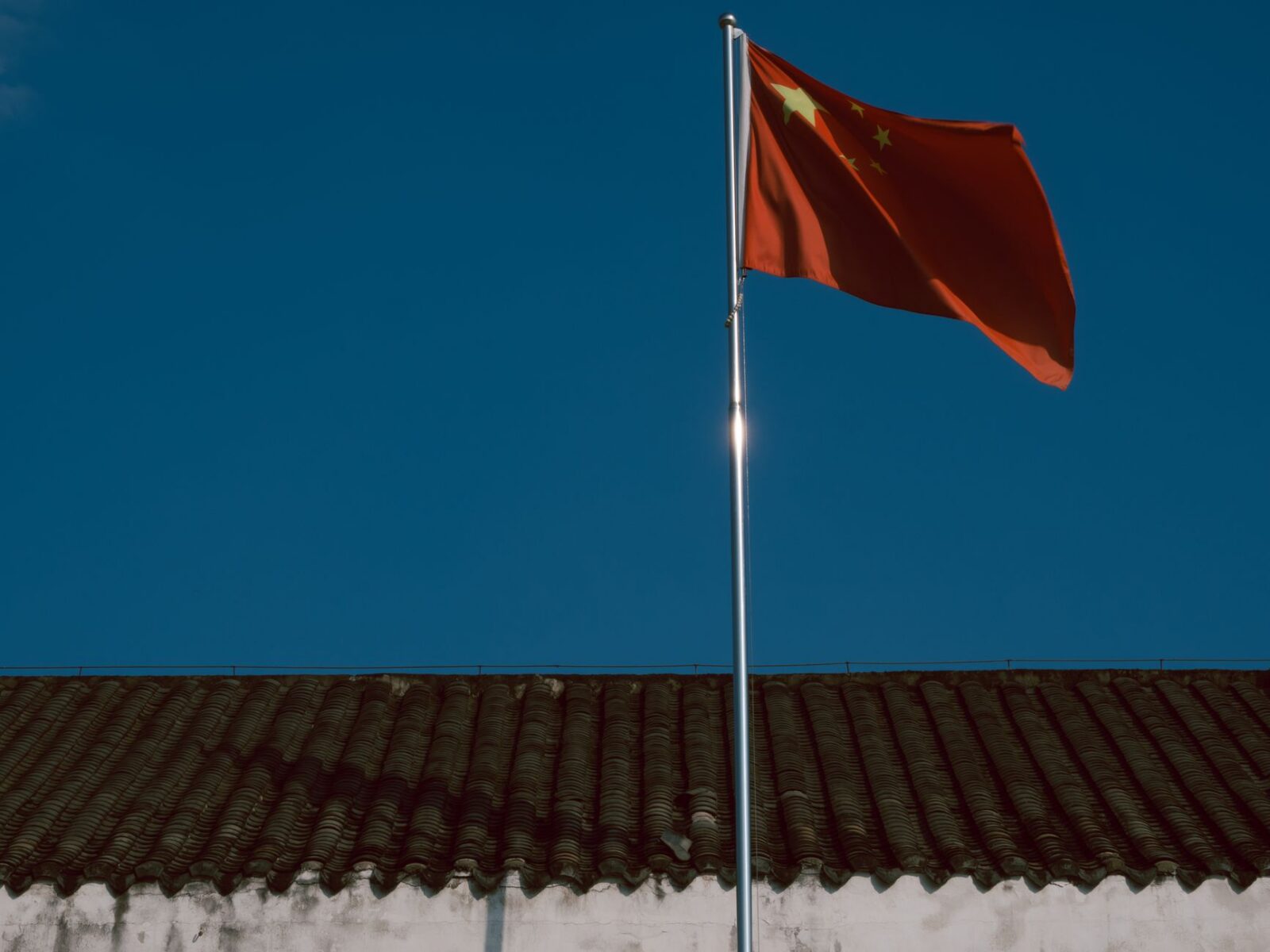
In a significant diplomatic exchange, China has firmly rejected allegations from the European Union suggesting that it has provided training to Russian military personnel engaged in the ongoing conflict in Ukraine. The assertion, made by EU officials, has amplified tensions between China and Western nations, particularly as the Ukraine war continues to draw international scrutiny and involvement.
The EU’s claims were articulated in a statement released on June 15, asserting that evidence exists of Chinese military support aimed at bolstering Russian capabilities in Ukraine. This accusation comes at a time when the conflict has entered a critical phase, with both sides preparing for intensified operations as summer approaches. China’s response, delivered through official channels, emphasized its commitment to neutrality and non-interference in the affairs of other nations, characterizing the EU’s allegations as unfounded and politically motivated.
This diplomatic skirmish is emblematic of the broader geopolitical landscape, where alliances are increasingly being tested. The implications of this dispute are profound; should China be perceived as taking a more active role in supporting Russia, it could provoke a stronger reaction from the West, potentially leading to further sanctions or military support for Ukraine. Moreover, this incident underscores the complexities of China’s foreign policy, balancing its strategic partnership with Russia against its economic interests in Europe.
Looking ahead, the potential for escalation remains high. With the EU and NATO countries poised to respond to any perceived aggression, the situation necessitates careful monitoring. Should tensions escalate further, the geopolitical ramifications could extend well beyond Ukraine, affecting global markets and international relations as countries reassess their positions in light of these developments.
Source: Arab News








Trump’s Alleged Remarks About Netanyahu Stir Controversy Amidst U.S.-Israel Relations
The alleged comments by Trump could reshape perceptions of U.S.-Israel relations and...
 1 Mins read

UN Experts Accuse Israel of Targeting Children in Gaza, Reinforce Genocide Claims
The international community grapples with escalating accusations against Israel amid ongoing conflict...
1 Mins read

IDF Engages in West Bank Operation, Resulting in Palestinian Fatality
The IDF's actions in the West Bank heighten tensions amidst ongoing Israeli-Palestinian...
1 Mins read



UN Experts Accuse Israel of Targeting Children in Gaza, Renew Genocide Allegations
UN experts' accusations against Israel highlight urgent global concerns over civilian safety...
1 Mins read

Leave a comment