
Collapse of Hōlei Sea Arch Marks a Geological and Cultural Loss for Hawaii
HĀNA, HAWAII — October 2, 2026
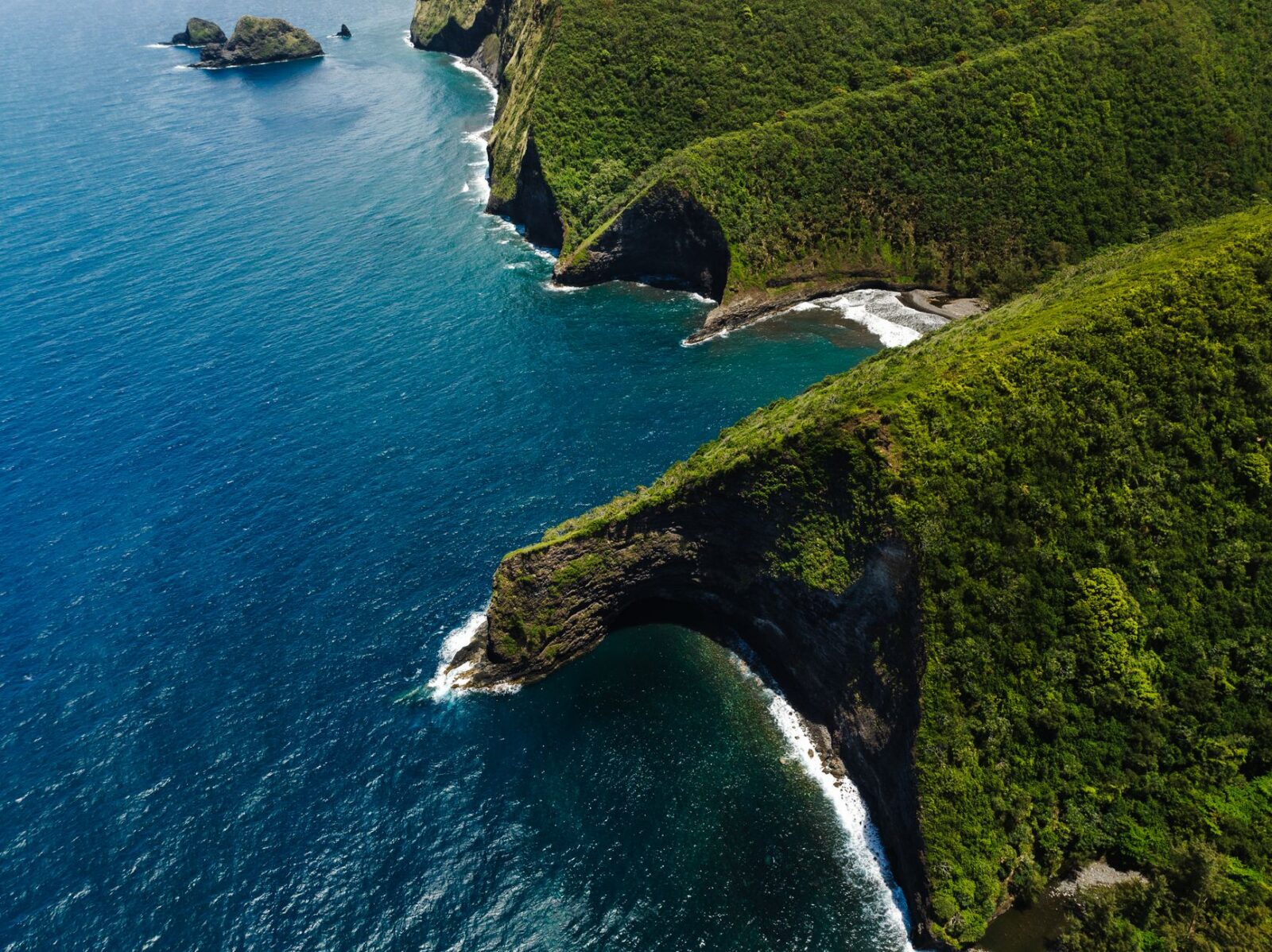
The Hōlei Sea Arch, a renowned natural landmark located in the Haleakalā National Park on the island of Maui, has collapsed into the Pacific Ocean. This event occurred on October 2, 2026, and has been confirmed by multiple sources, including the BBC.
The Hōlei Sea Arch, estimated to be around 550 years old, was a striking geological formation that attracted tourists and nature enthusiasts alike. Its collapse represents not only a significant geological event but also a cultural loss for the local community, which has long regarded the arch as a symbol of natural beauty and resilience.
The collapse was triggered by a combination of natural erosion processes and recent geological activity in the region. Hawaii’s volcanic landscape is constantly changing, and the forces of nature, including wave action and seismic activity, have contributed to the arch’s deterioration over time. The event has raised concerns among environmentalists and geologists regarding the stability of other coastal formations in the area.
Directly involved in the aftermath of this event are the National Park Service and local Hawaiian cultural organizations, which are now tasked with assessing the impact of the collapse on both the environment and the cultural heritage of the region. The Hōlei Sea Arch was not only a geological marvel but also a site of cultural significance, often featured in local folklore and traditions.
This story is receiving heightened attention now due to the arch’s status as a popular tourist attraction, drawing thousands of visitors each year. The collapse may have immediate implications for local tourism, which is a vital component of Hawaii’s economy. The loss of such a landmark could deter visitors and impact local businesses that rely on tourism revenue.
Locally, the collapse of the Hōlei Sea Arch is significant as it underscores the fragility of Hawaii’s natural landscapes, which are increasingly threatened by climate change and rising sea levels. Nationally, it serves as a reminder of the ongoing geological changes occurring in volcanic regions and the need for continued monitoring and research.
Looking ahead, it is realistic to expect that the National Park Service will conduct a thorough assessment of the site to evaluate the implications of the collapse. This may include geological studies to understand the factors that led to the arch’s failure and to identify other potentially vulnerable formations. Additionally, discussions may arise regarding the preservation of cultural heritage sites in the face of environmental challenges, prompting a broader dialogue about conservation efforts in Hawaii.
Source: BBC











Farewinds Officially Opens at Oyster Point, Enhancing Local Dining and Community Spaces
The opening of Farewinds at Oyster Point marks a significant addition to...
 1 Mins read
Pope Leo XIV Draws 800,000 to Historic Outdoor Mass in Paris
The outdoor mass led by Pope Leo XIV on September 30, 2026,...
2 Mins read
Ned’s New England Deck Opens in St. Johns County, Serving Live Maine Lobster
The opening of Ned's New England Deck marks a significant addition to...
1 Mins read
Pope Leo Warns of Humanity’s Loss Amid AI Advancements at Open-Air Mass in Paris
During a significant open-air Mass in Paris, Pope Leo addressed the implications...
1 Mins read
Leave a comment