
Russia’s Ruling Pro-Putin Party Secures Over 57% in Wartime Election
MOSCOW — September 21, 2026
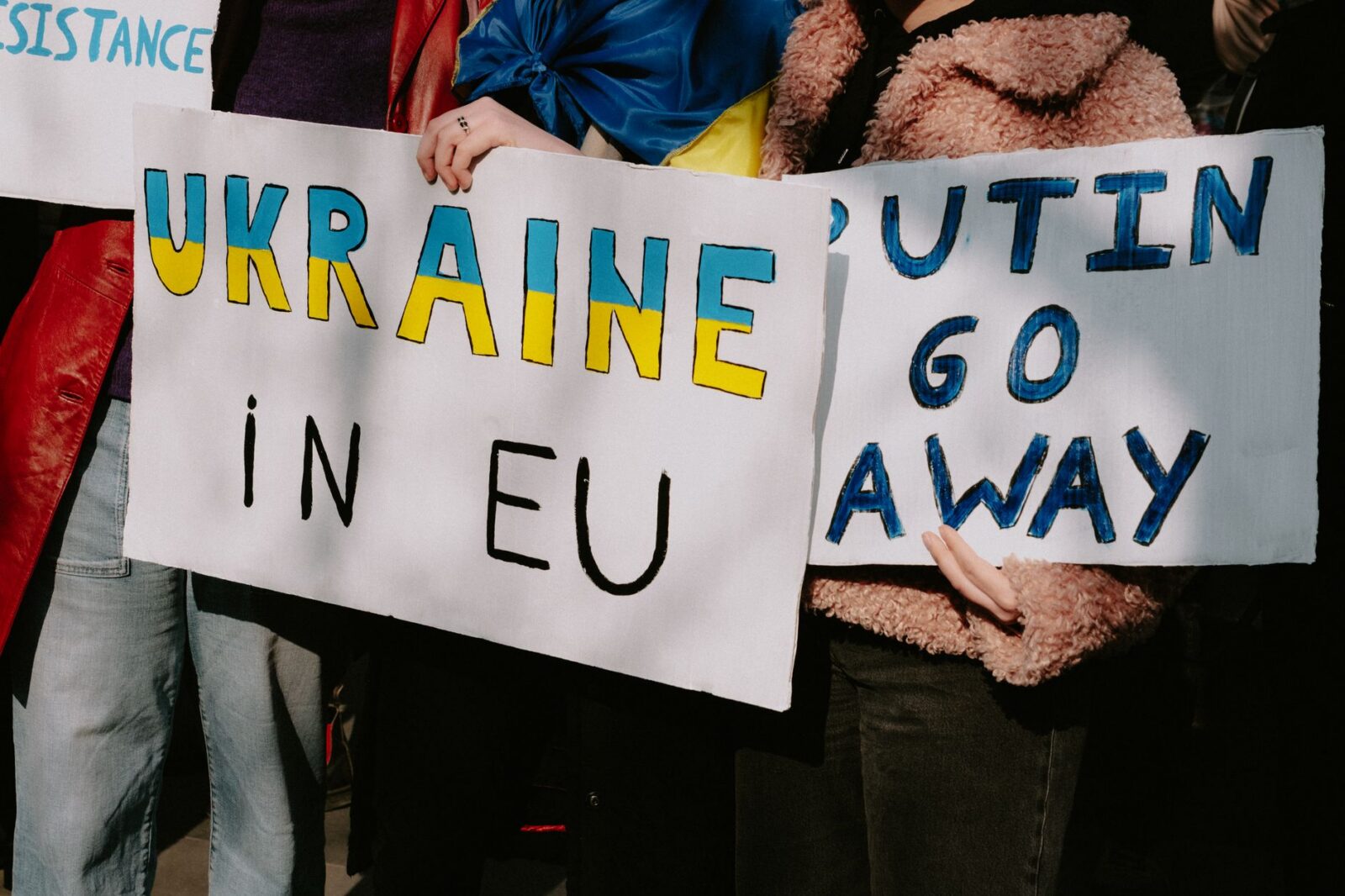
In a significant electoral development, Russia’s ruling pro-Putin party, United Russia, has secured over 57% of the vote in the recent parliamentary elections held on September 20, 2026. This election, conducted amid ongoing military operations in Ukraine, has drawn considerable attention both domestically and internationally due to its implications for governance and global politics.
The elections took place across Russia, with reports indicating a high level of state control over the electoral process. The results, which are nearing completion, reflect a continuation of the ruling party’s dominance in the political landscape, a trend that has been consistent since President Vladimir Putin first came to power in 2000.
Key figures involved in this electoral process include President Vladimir Putin, who has been a central figure in Russian politics for over two decades, and Dmitry Medvedev, the former president and current deputy chairman of the United Russia party. The elections were conducted under the shadow of the ongoing conflict in Ukraine, which has been a pivotal issue in Russian politics since the invasion began in February 2022.
The trigger for this election was the need to reaffirm the government’s legitimacy and consolidate power during a time of war. The Kremlin has positioned the elections as a means to strengthen national unity and support for the military efforts in Ukraine, framing the conflict as a defensive measure against Western aggression.
Financial interests are also at stake, as the ruling party’s continued dominance ensures the maintenance of policies that favor state control over key sectors of the economy, including energy and defense. The election results are expected to bolster the government’s ability to implement its agenda without significant opposition, particularly in the context of sanctions imposed by Western nations.
This story is receiving heightened attention now due to the geopolitical ramifications of the election results. Analysts are closely monitoring how this electoral victory will affect Russia’s foreign policy, particularly its relations with the West and its ongoing military operations in Ukraine. The election outcome may also influence internal dissent and the opposition’s ability to mobilize against the government.
The significance of this election extends beyond Russia’s borders. It raises critical questions about the nature of democracy in wartime, the role of state-controlled media in shaping public perception, and the implications for international relations as Russia continues to assert its military presence in Eastern Europe.
Looking ahead, the next steps will likely involve the consolidation of power by the ruling party, with potential legislative changes aimed at further entrenching state control. Observers will also be watching for any signs of increased repression against dissenting voices, as the government seeks to maintain a unified front during ongoing military operations. The international community will be keenly aware of how these developments may influence sanctions and diplomatic relations moving forward.
Source: Reuters






Iran Issues Stark Warning of Expanded Military Response to U.S. Actions
Iran's recent warning signals a significant escalation in geopolitical tensions, emphasizing the...
 2 Mins read
Trump Issues Stark Warnings to Iran Amid Escalating Tensions
Former President Donald Trump has issued severe threats against Iran, warning of...
2 Mins read
Escalating Tensions: Iran and the U.S. Trade Threats Following Houthi Attacks
Recent Houthi attacks have intensified threats between Iran and the United States,...
2 Mins read



Trump May Delay Taiwan Arms Deal Amid Xi Jinping’s Visit to Washington
The potential postponement of a significant arms deal with Taiwan highlights the...
2 Mins read

Leave a comment