
COP31 Climate Talks Collapse Without Agreement on Fossil Fuels
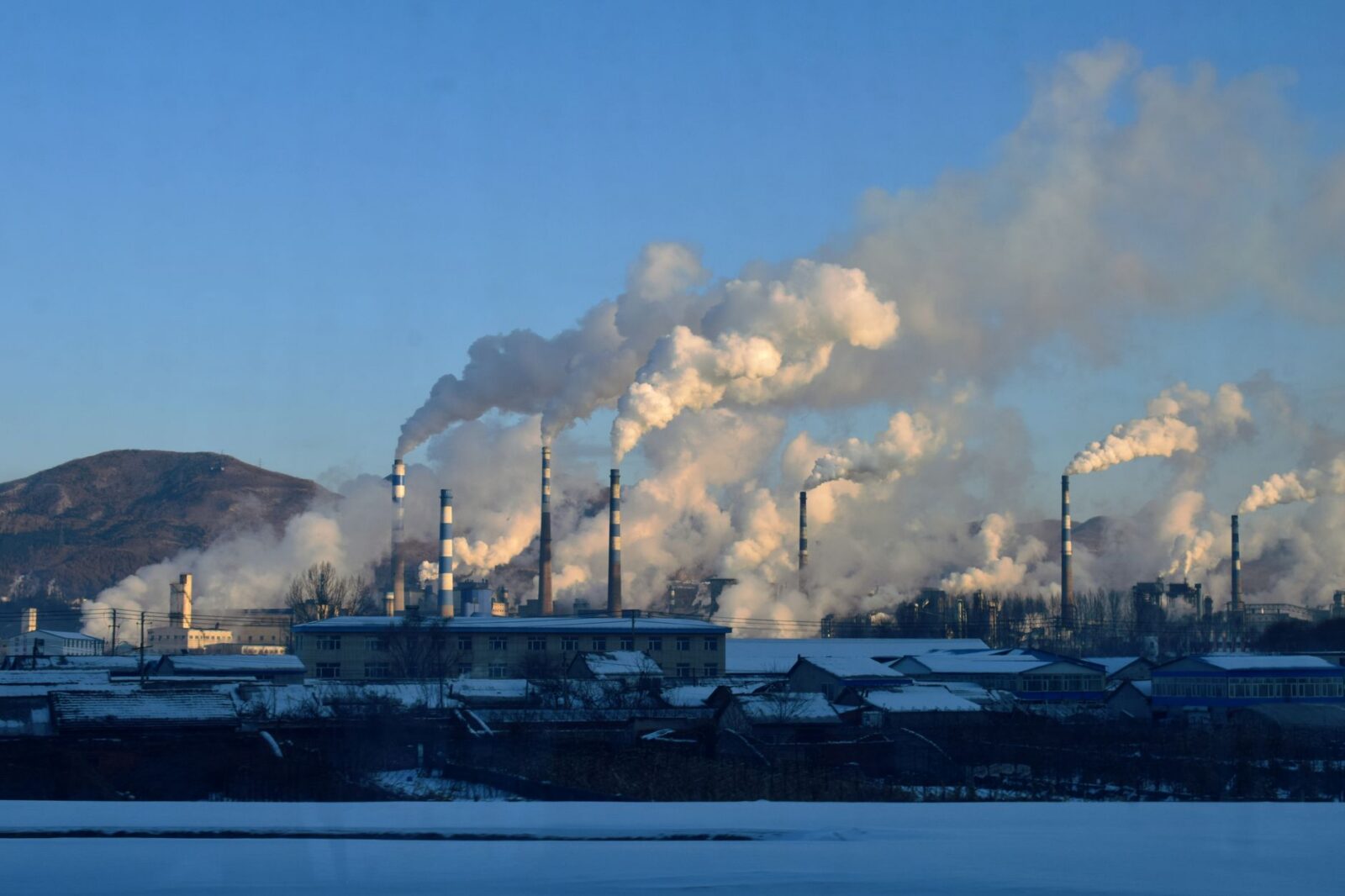
GENEVA — November 23, 2026
The COP31 climate talks concluded on November 23, 2026, without reaching a deal, primarily due to unresolved disputes over fossil fuel policies and financial commitments. This breakdown has significant implications for global climate action and international relations.
The negotiations took place in Geneva, Switzerland, where representatives from nearly 200 countries gathered to discuss measures aimed at combating climate change. The talks were marked by intense debates, particularly surrounding the inclusion of fossil fuel references in the final agreement. Key players, including the United States, the European Union, and major oil-producing nations, were at the center of these discussions.
One of the main triggers for the failure was the insistence by several countries to omit any mention of fossil fuels in the final text, a move that was met with strong opposition from environmental advocacy groups and nations heavily impacted by climate change. The lack of consensus on financial mechanisms to support developing nations in their transition to greener energy sources further complicated negotiations.
According to reports, the United States and several oil-rich nations argued that a focus on fossil fuels could undermine economic stability and energy security, while European nations and climate activists pushed for stronger commitments to phase out fossil fuel dependency. The absence of a unified stance on financial aid for developing countries, which are often the most vulnerable to climate impacts, added to the tensions.
This failure to secure an agreement at COP31 has drawn widespread attention as it raises questions about the future of international climate commitments. The inability to address fossil fuel usage directly contradicts the goals set in previous climate accords, including the Paris Agreement, which aimed to limit global warming to well below 2 degrees Celsius.
Locally, the implications of this breakdown could be felt in Miami, a city already grappling with the effects of climate change, including rising sea levels and increased storm intensity. Nationally, the U.S. faces scrutiny over its climate policies and commitments, while globally, the failure of COP31 may hinder progress in international climate negotiations, potentially leading to increased geopolitical tensions.
Looking ahead, the next steps remain uncertain. Future climate talks are scheduled, but without significant shifts in policy and cooperation among nations, the prospects for meaningful agreements appear bleak. Analysts suggest that countries may need to reassess their positions and find common ground on fossil fuel usage and financial commitments to avoid further setbacks in global climate efforts.
Source: STV News









COP31 Breakdown Over Funding for Vulnerable Countries and Fossil Fuel Usage
The recent breakdown at COP31 highlights critical divisions over climate funding and...
 2 Mins read
COP31 Climate Talks Conclude Without Agreement Amid Fossil Fuel Disputes
The COP31 climate conference ended on November 23, 2026, without a consensus,...
2 Mins read
Fossil Fuels Conflict at COP31: An Unbridgeable Divide
The COP31 climate talks have reached a critical impasse over fossil fuel...
2 Mins read


COP31 Climate Talks Conclude Without Agreement, Deepening Global Concerns
The failure to reach a consensus at COP31 raises significant questions about...
2 Mins read

Leave a comment