
Cuba’s Power Grid Collapse Leaves Millions Without Electricity Amid Ongoing US Embargo
HAVANA — September 19, 2026
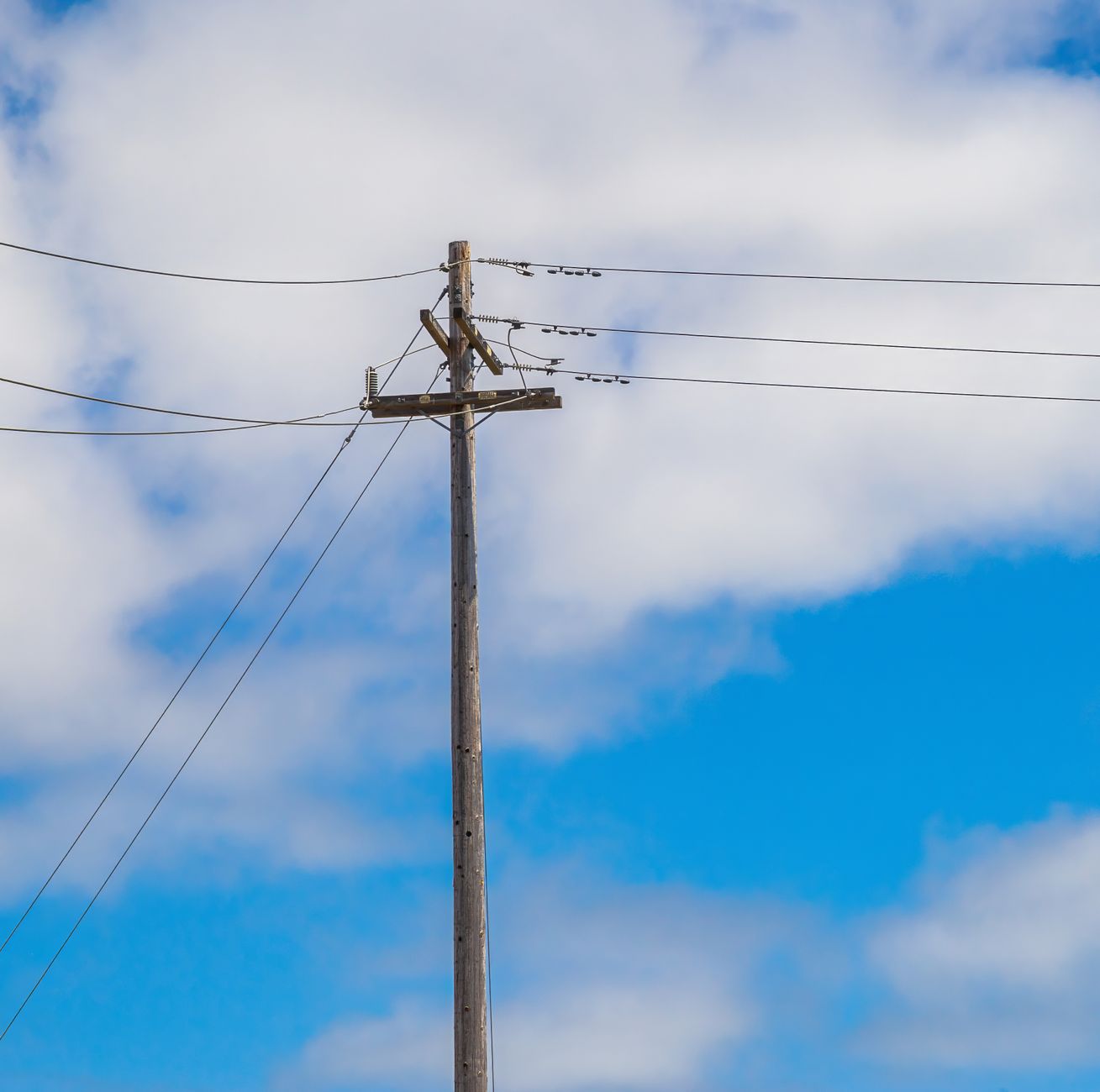
The power grid in Cuba collapsed on September 19, 2026, leaving millions of residents without electricity. This significant failure of the electrical infrastructure has raised alarms regarding public safety and the broader implications of the ongoing US embargo against the island nation.
The collapse occurred in the late afternoon, affecting major urban centers including Havana and Santiago de Cuba. Reports indicate that the outage was widespread, impacting hospitals, schools, and businesses, and leading to a surge in public discontent. The Cuban government has not yet released a detailed statement regarding the cause of the failure, but it is widely believed to be linked to aging infrastructure and insufficient maintenance.
Directly involved in this crisis are the Cuban government, led by President Miguel Díaz-Canel, and the state-owned electricity company, Unión Eléctrica. The regime has faced mounting criticism for its inability to provide reliable services, which many attribute to the economic pressures exacerbated by the US embargo that has been in place since the early 1960s. This embargo restricts Cuba’s access to essential resources, including technology and investment needed to upgrade its power infrastructure.
The immediate trigger for the power grid’s collapse appears to be a combination of technical failures and the inability to procure necessary parts and expertise due to the embargo. The Cuban government has previously acknowledged that the sanctions have severely hampered its ability to maintain and modernize critical infrastructure.
This story is receiving heightened attention now due to the scale of the blackout and the ongoing humanitarian implications. With millions affected, the situation underscores the fragility of Cuba’s public services and the potential for civil unrest as citizens grow increasingly frustrated with the government’s handling of basic needs.
The significance of this development extends beyond local concerns; it touches on national and international discussions regarding the effectiveness of the US embargo and its humanitarian impact. Critics argue that the sanctions disproportionately affect ordinary Cubans, while supporters maintain that they are necessary to pressure the regime for political reform.
Looking ahead, the Cuban government may face increased pressure to address the power crisis, potentially leading to public protests or calls for reform. Internationally, this incident could reignite debates about the efficacy of the US embargo and its role in exacerbating the island’s economic difficulties. Observers will be closely monitoring the government’s response and any potential shifts in policy that may arise from this latest crisis.
Source: Washington Examiner









Eighteen Suspects in Assassination of Haiti’s President Extradited to Miami for Trial
The extradition of suspects involved in the assassination of Haiti's President Jovenel...
 2 Mins read

Ukraine Launches Largest Drone Attack on Moscow, Resulting in Three Deaths
A significant escalation in the Ukraine-Russia conflict unfolds as Ukraine conducts its...
1 Mins read
Tropical Storm Fay Forms in the Eastern Atlantic, Threatening Public Safety
Tropical Storm Fay has formed in the eastern Atlantic, raising concerns about...
1 Mins read


Tropical Storm Fay Forms in the Atlantic, Threatening Coastal Areas
Tropical Storm Fay has officially formed in the Atlantic, raising concerns for...
1 Mins read

Leave a comment