
Cyclosporiasis Outbreak Challenges Health Agencies Amid Budget Cuts
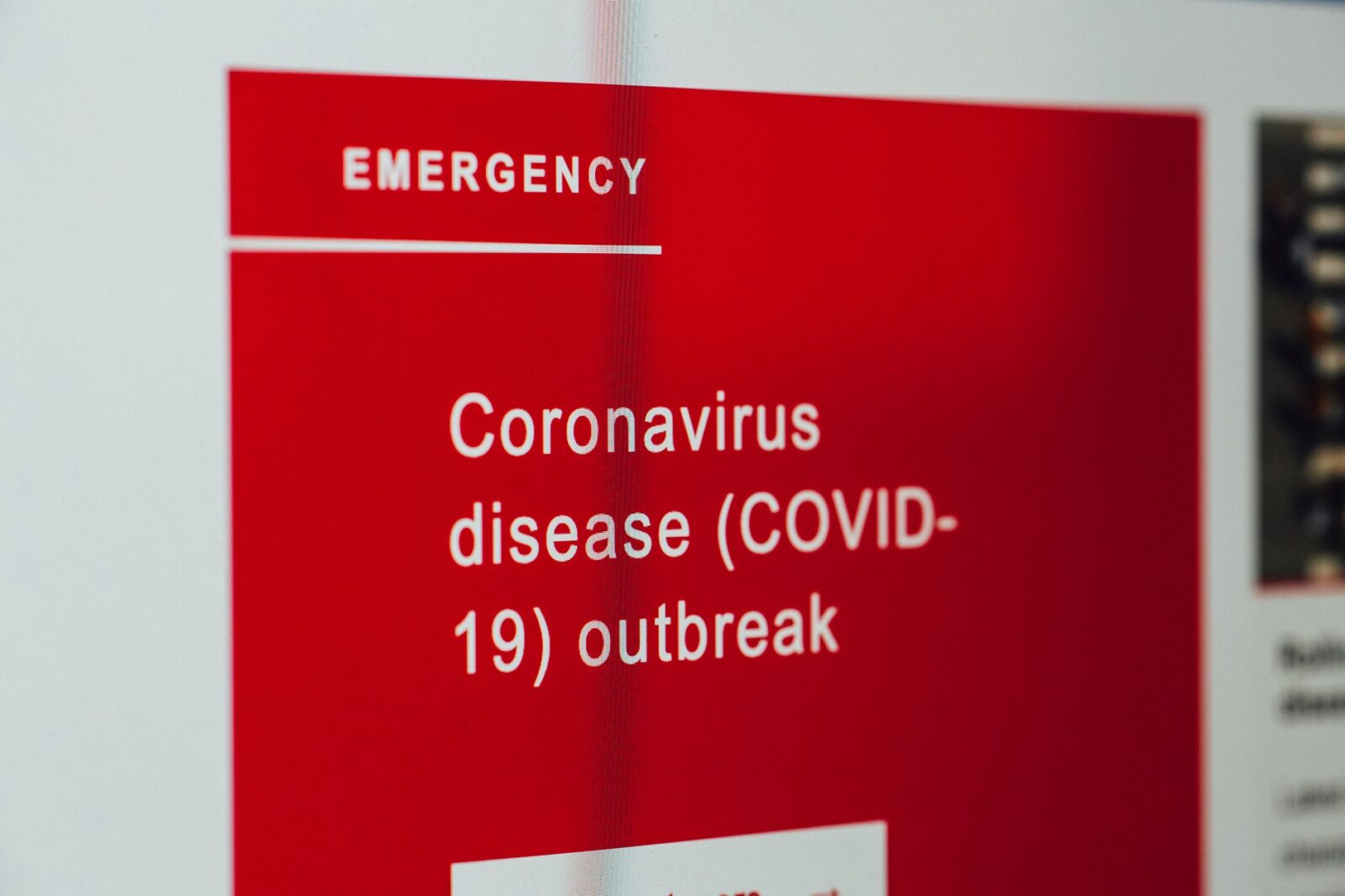
A significant outbreak of cyclosporiasis, a parasitic infection, has emerged, raising alarms among health officials as it tests the resilience of agencies that faced budget cuts during the Trump administration. The Centers for Disease Control and Prevention (CDC) reported over 300 confirmed cases across multiple states, with a notable concentration in the Midwest. This outbreak is particularly concerning given the ongoing challenges posed by resource constraints in public health sectors.
The outbreak was officially reported on August 12, 2026, and has since prompted emergency meetings among state health departments and the CDC. The infection, typically linked to contaminated food, has led to increased scrutiny of food safety regulations and the capacity of health agencies to respond effectively to such public health threats. The CDC’s ability to manage this outbreak is under particular scrutiny due to the budget cuts that reduced staffing and resources for critical health programs.
This situation is receiving heightened attention not only because of the rising case numbers but also due to the implications for public health policy and funding. As local and state health departments scramble to contain the outbreak, they are also calling for increased federal support to bolster their efforts. The economic ramifications of a widespread outbreak could be significant, impacting healthcare costs and public trust in health systems.
In the coming days, health authorities will be monitoring case numbers closely and implementing enhanced surveillance measures. There are discussions about potential legislative measures to restore funding to health agencies, reflecting a growing recognition of the importance of robust public health infrastructure. The effectiveness of these responses will be crucial in determining how well agencies can manage this outbreak and prevent future occurrences.
Source: NPR








Missouri Voters Set to Decide New Congressional Map in November 2026
The upcoming vote on Missouri's congressional map could reshape political representation and...
 1 Mins read

Minnesota Officials Challenge Trump Administration’s Supreme Court Mail Ballot Request
The Trump administration's Supreme Court request to alter mail ballot rules in...
1 Mins read

Kansas State Fair Hosts Gubernatorial and Senate Debate
The Kansas State Fair's upcoming debates spotlight critical issues in U.S. governance...
1 Mins read



Sen. Mitch McConnell Expected to Return to Senate Next Week
Sen. Mitch McConnell's potential return is crucial for GOP leadership amid ongoing...
1 Mins read