
Venezuela’s Resilience Amid Colombia’s Tragedy: A Tale of Hope and Solidarity
A Catastrophic Event Unfolds
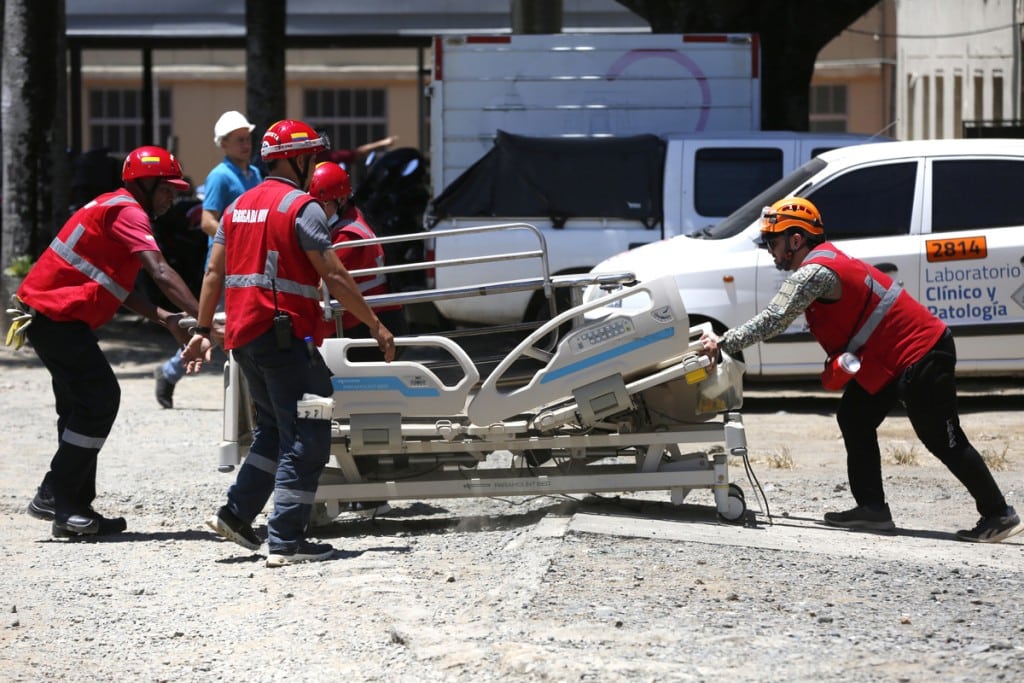
In recent days, Colombia has faced a calamity of heartbreaking proportions. A 7.4 magnitude earthquake struck, resulting in the tragic loss of 281 lives and injuring nearly 3,824 individuals. As the dust settles, the nation grapples with a humanitarian crisis that affects over 102,000 people across 426 municipalities. Amidst the rubble and despair, the spirit of hope flickers, as families cling to the possibility of finding survivors.
Human Toll and Infrastructure Damage
The disaster’s toll is staggering, with the Colombian government reporting significant damage to both residential and commercial structures. A total of 127 buildings collapsed, while tens of thousands of homes were either damaged or rendered uninhabitable. In cities like Cali, where the situation is particularly dire, rescue teams are relentlessly searching for victims, opting for manual methods over heavy machinery, prioritizing the safety of potential survivors trapped beneath the debris.
Community Response in the Face of Adversity
As the earthquake’s aftermath unfolds, many families are forced to sleep in tents, too frightened to return to their damaged homes. In Manizales, the risk of further collapses looms over entire neighborhoods, with thousands of houses affected. Felipe Varela, a local resident who lost everything, expresses the uncertainty faced by many: “We are still waiting for assistance. We have been registered, but help has yet to arrive.” The narrative of despair is met with stories of solidarity, as communities band together to support one another in this time of need.
International Aid and Controversies
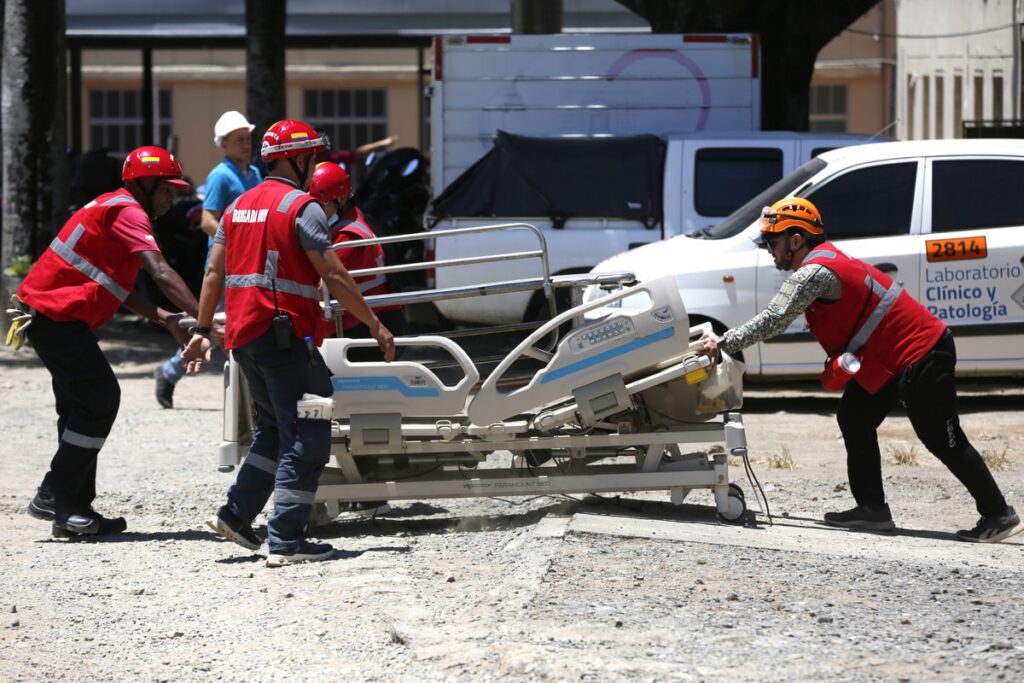
Amid the chaos, humanitarian aid has begun to trickle into the hardest-hit areas, such as Quibdó, where the need is most pressing. Initial shipments of essential supplies have provided some relief, but the distribution of international assistance has not come without its challenges. The Colombian government’s criteria for accepting international rescue teams has sparked debates, particularly when a highly experienced Mexican search and rescue brigade was temporarily sidelined, despite their proven track record in disaster relief.
The Venezuelan Connection
In a remarkable display of cross-border solidarity, Venezuelan rescue teams have joined the efforts, alongside other international responders. The arrival of Mexican rescuers, despite initial bureaucratic hurdles, highlights the intertwined fates of the two nations. As Colombia navigates this crisis, the Venezuelan community’s support underscores a shared resilience and a commitment to helping neighbors in need.
Looking Ahead: The Path to Recovery
Colombian President Abelardo de la Espriella has outlined preliminary steps towards recovery, emphasizing the need for a collective effort from both the public and private sectors. He has called upon construction companies and various organizations to contribute to the reconstruction process, framing this moment as a historic opportunity for unity and restoration. As Colombia begins to rebuild, the hope remains that the spirit of collaboration extends beyond borders, fostering a deeper bond between Colombia and Venezuela during these challenging times.
In the face of adversity, the human spirit shines brightest. The stories emerging from this catastrophe are not just tales of loss but also of hope, resilience, and the unwavering support of communities coming together in times of need.
Editorial note: This article was created by A Bit Lavish Miami’s Magazine as an original editorial reinterpretation based on publicly available reporting. Original source: efectococuyo.com. Read the original article here: https://efectococuyo.com/internacionales/colombia-suma-281-muertos-tras-el-terremoto-mientras-la-emergencia-humanitaria-persiste/.
Images are used for editorial reference with source credit. If an image requires correction or removal, please contact A Bit Lavish.




Venezuelan Energy: A Call for Transparency and Democratic Governance
María Corina Machado voices significant concerns over a new U.S.-Venezuela oil agreement,...
 2 Mins read
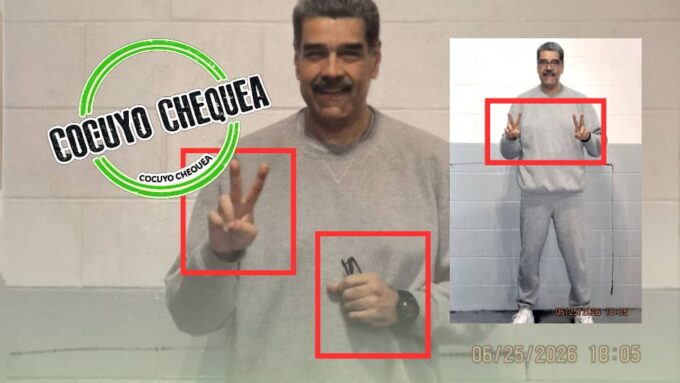
Unveiling the Truth Behind Nicolás Maduro’s Controversial Photos
Explore the authenticity and implications of the recently released photographs of Nicolás...
2 Mins read
Unveiling the Shadows: The Uncertain Future of Political Prisoners in Venezuela
An exploration of the ongoing plight of political prisoners in Venezuela, focusing...
3 Mins read


Rebuilding Venezuela: The Crucial Role of Legitimacy in Investment and Reconstruction
Exploring the essential relationship between institutional legitimacy and sustainable investment in Venezuela's...
3 Mins read