
Donald Trump Reshapes US Election Commission Amidst Ongoing Voting Controversies
In a decisive move reflecting his ongoing influence over American politics, Donald Trump has ousted several members of the U.S. Election Assistance Commission (EAC) as of July 10, 2026. This action comes amid a broader effort to reshape the country’s voting process, a topic that has remained contentious since the 2020 presidential election. Trump’s strategic dismissal is aimed at aligning the commission’s objectives with his vision for electoral integrity, a concept he has often framed as essential for the preservation of democracy.
The EAC, established to assist states in the administration of elections and to ensure compliance with federal election laws, has been a focal point of contention in recent years. Trump’s recent appointments are likely to favor stricter voting regulations, a shift that could impact voter accessibility and election outcomes across the nation. This development is particularly significant as it occurs amidst ongoing debates over voting rights and election security, issues that resonate not only within the U.S. but also have implications for democratic processes globally.
This restructuring of the EAC could lead to new regulations that may restrict voting access, particularly in states that have already enacted laws perceived as voter suppression tactics. As such, Trump’s actions may spark further legal battles and public protests, reigniting a national conversation about the balance between election security and voter rights. Experts warn that this could set a precedent for other nations grappling with similar issues, as the U.S. has historically been viewed as a model for democratic governance.
Looking ahead, the ramifications of Trump’s reshaping of the EAC could extend beyond U.S. borders. International observers and foreign governments are likely to monitor these developments closely, as they may influence global standards for free and fair elections. With the 2028 presidential election approaching, the implications of these changes will be pivotal in determining not only the future of U.S. democracy but also how other countries perceive and implement electoral reforms in the coming years.
Source: The Washington Post








FBI Investigates Trump for Potential Russian Asset Links Following Comey Dismissal
The FBI's secret investigation into Trump's potential ties to Russia raises critical...
 1 Mins read

FBI’s Secret Investigation into Trump as Potential Russian Asset Uncovered in Declassified Memos
The revelation of the FBI's investigation into Trump as a potential Russian...
1 Mins read
New Intelligence Reveals Allegations of FBI Misconduct in Trump Investigation
Recent intelligence suggests potential misconduct by the FBI in the investigation of...
1 Mins read
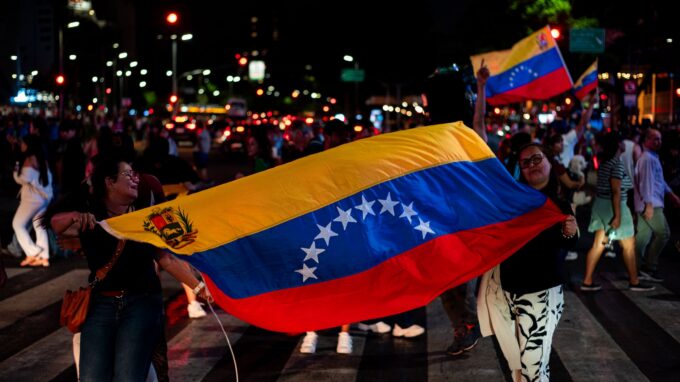


Venezuela Faces New Political Challenges Amid Economic Turmoil on August 6, 2026
Venezuela's political landscape shifts dramatically as economic pressures intensify, affecting governance and...
1 Mins read
