
Ebola Outbreak in Congo’s North Kivu Province Remains Uncontrolled Amid Health Worker Shortage
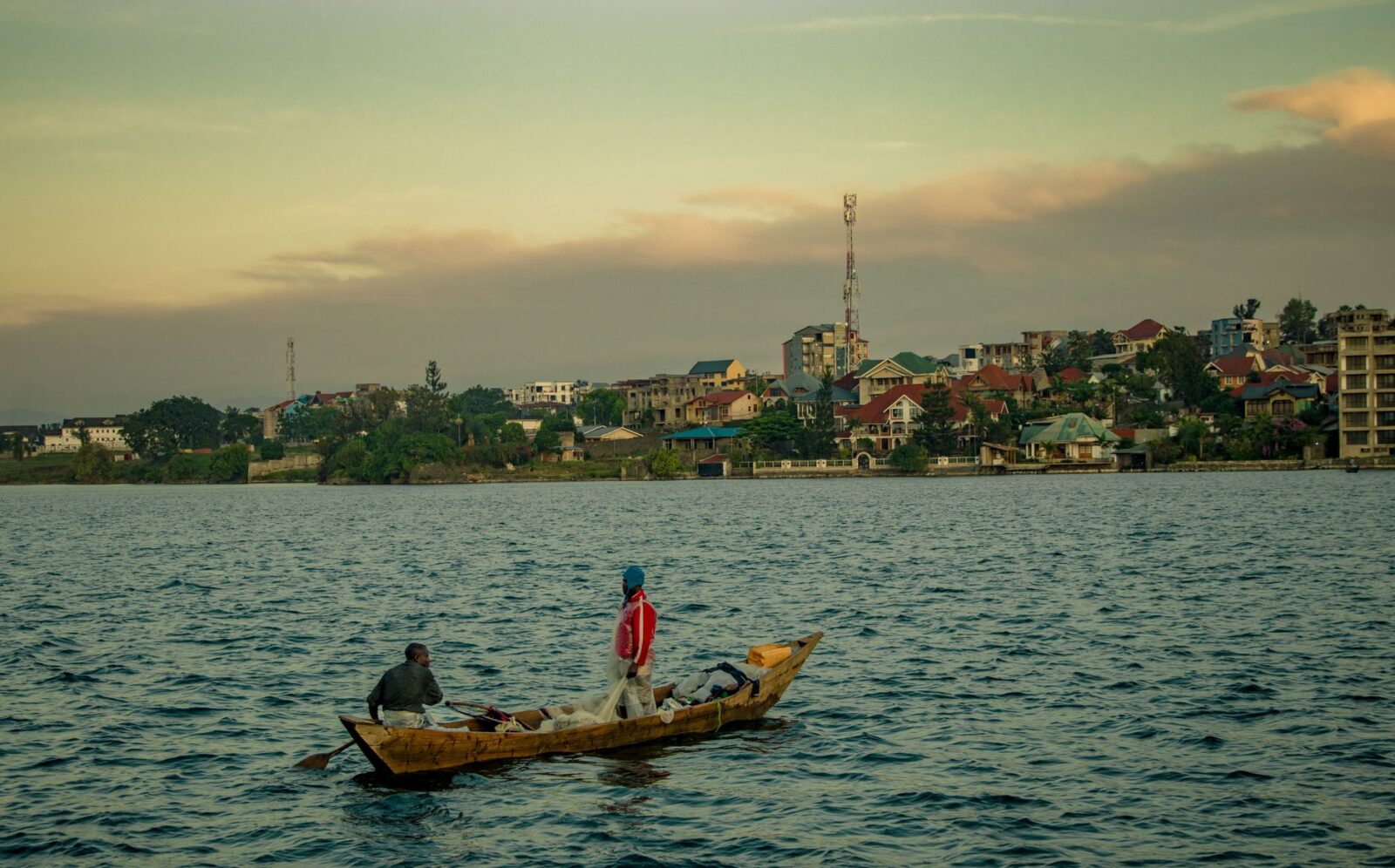
GOMA, DEMOCRATIC REPUBLIC OF CONGO — September 25, 2026
The World Health Organization (WHO) has reported that the Ebola outbreak in North Kivu province of the Democratic Republic of Congo remains uncontrolled, raising serious concerns about public health safety in the region and beyond. This alarming situation is compounded by a significant shortage of health workers, which has hindered effective response efforts.
The outbreak was first identified earlier this month, but as of today, it has escalated, with numerous confirmed cases reported. The WHO has emphasized that the lack of adequate healthcare personnel is a critical barrier to managing the outbreak effectively. This shortage is particularly concerning given the highly contagious nature of the Ebola virus and its potential for rapid transmission.
According to WHO officials, the current health worker deficit is a result of several factors, including inadequate funding, insufficient training programs, and the ongoing challenges posed by previous health crises in the region. The organization has called for immediate international support to bolster the healthcare workforce and improve response capabilities.
As of the latest updates, the number of confirmed Ebola cases in North Kivu has reached alarming levels, with health authorities struggling to contain the spread. The WHO has urged local and international stakeholders to prioritize the deployment of medical teams and resources to the affected areas.
This outbreak is particularly significant not only for the Democratic Republic of Congo but also for global health security. The region has a history of Ebola outbreaks, and the uncontrolled nature of the current situation raises fears of a wider epidemic that could extend beyond national borders. The WHO has reiterated the importance of swift action to prevent a repeat of past crises, where outbreaks have led to widespread panic and economic disruption.
In response to the ongoing crisis, the Congolese government has begun to mobilize resources, but the effectiveness of these efforts remains to be seen. The international community is being called upon to assist with funding, medical supplies, and personnel to help combat the outbreak.
Looking ahead, if the situation continues to deteriorate, we may see an escalation in international health alerts and travel advisories. The WHO is expected to hold emergency meetings to discuss further strategies for containment and support. The next steps will likely involve increased surveillance, vaccination campaigns, and enhanced public health messaging to educate communities about prevention measures.
This outbreak serves as a stark reminder of the vulnerabilities faced by healthcare systems in regions prone to infectious diseases. The implications of this situation extend beyond the immediate health risks, potentially impacting economic stability and public confidence in health governance in the Democratic Republic of Congo and neighboring countries.
Source: PBS




Karl Deisseroth Awarded Nobel Prize in Medicine for Neuroscience Breakthroughs
Deisseroth's groundbreaking work in neuroscience has significant implications for public health and...
 2 Mins read
Pennsylvania’s Measles Outbreak Surges to 1,000 Cases
The state of Pennsylvania is grappling with its largest measles outbreak in...
1 Mins read
Invest 92-L Monitored for Potential Development into Tropical Depression
The National Hurricane Center is closely monitoring Invest 92-L in the Gulf...
1 Mins read
New York Declares Measles Disaster Emergency Amid Resurgence
The state of New York has declared a disaster emergency due to...
1 Mins read
Leave a comment