
Ebola Treatment Center Torched Amid Ongoing Outbreak in Congo
KINSHASA — October 2, 2026
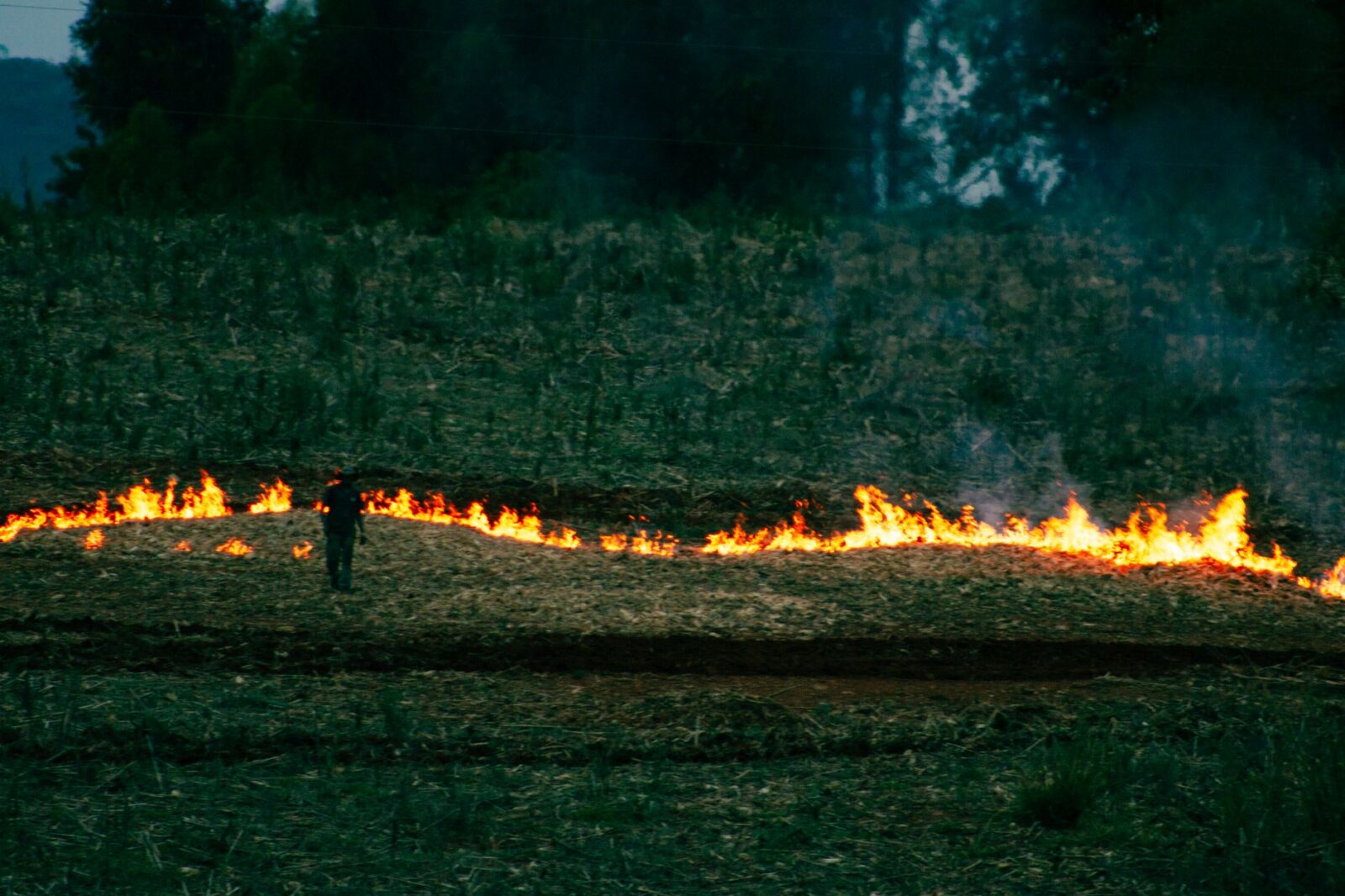
In a devastating turn of events, an Ebola treatment center in the Democratic Republic of the Congo (DRC) was set ablaze on October 2, 2026, amid a significant outbreak that has already claimed over 4,000 lives. This incident underscores the dire public health crisis facing the region and raises critical questions about the safety and efficacy of ongoing health interventions.
The treatment center, located in a region heavily affected by the current Ebola outbreak, was reportedly targeted during a period of escalating tensions and fear among local populations. The DRC has been grappling with recurring Ebola outbreaks, but the scale of the current crisis has been particularly alarming, prompting international health organizations to mobilize resources and support.
Directly involved in this incident are local communities, health workers, and international health organizations, including the World Health Organization (WHO) and Médecins Sans Frontières (Doctors Without Borders), which have been instrumental in providing care and containment measures. The motivations behind the attack remain unclear, but it is believed to stem from a combination of fear, misinformation, and distrust towards health authorities.
The trigger for this destructive act appears to be the rising death toll and the perceived ineffectiveness of the response to the outbreak. As of the latest reports, the DRC has recorded more than 4,000 deaths, with many communities expressing skepticism about the treatment protocols and the intentions of health officials. This skepticism has been exacerbated by historical grievances regarding the handling of previous health crises in the region.
This incident is receiving heightened attention now due to the critical nature of the outbreak and the implications for public health infrastructure in the DRC. The burning of the treatment center not only disrupts ongoing medical efforts but also poses a significant risk of further spreading the virus, as it may deter individuals from seeking care or cooperating with health authorities.
The significance of this event extends beyond local ramifications; it highlights the fragility of health systems in regions prone to infectious disease outbreaks. The international community is closely monitoring the situation, as the DRC’s ability to contain this outbreak is vital for regional stability and global health security.
Looking ahead, the immediate next steps will likely involve a reassessment of security measures for health facilities in the DRC, alongside intensified efforts to rebuild trust within affected communities. Health organizations may need to engage in more robust public education campaigns to counter misinformation and encourage cooperation with health interventions. Additionally, discussions about international support and intervention may gain momentum as the situation evolves.








Rising Colorectal Cancer Rates Among Children and Teens Raise Public Health Concerns
New studies reveal a troubling increase in colorectal cancer among younger populations,...
 1 Mins read

New York Officials Address Cornell University Rape Investigation
Governor Hochul and Attorney General James discuss the implications of the ongoing...
2 Mins read
Ukraine’s First Combat Use of Ballistic Missile Marks Significant Escalation in Conflict
The deployment of Ukraine's FP-7 ballistic missile represents a pivotal moment in...
2 Mins read


U.S. Jets Downed by Iranian Fire: Search and Rescue Mission Underway
Two U.S. jets were downed by Iranian fire, prompting a search and...
2 Mins read
Leave a comment