
Elon Musk Critiques India’s Starlink Entry Blockade
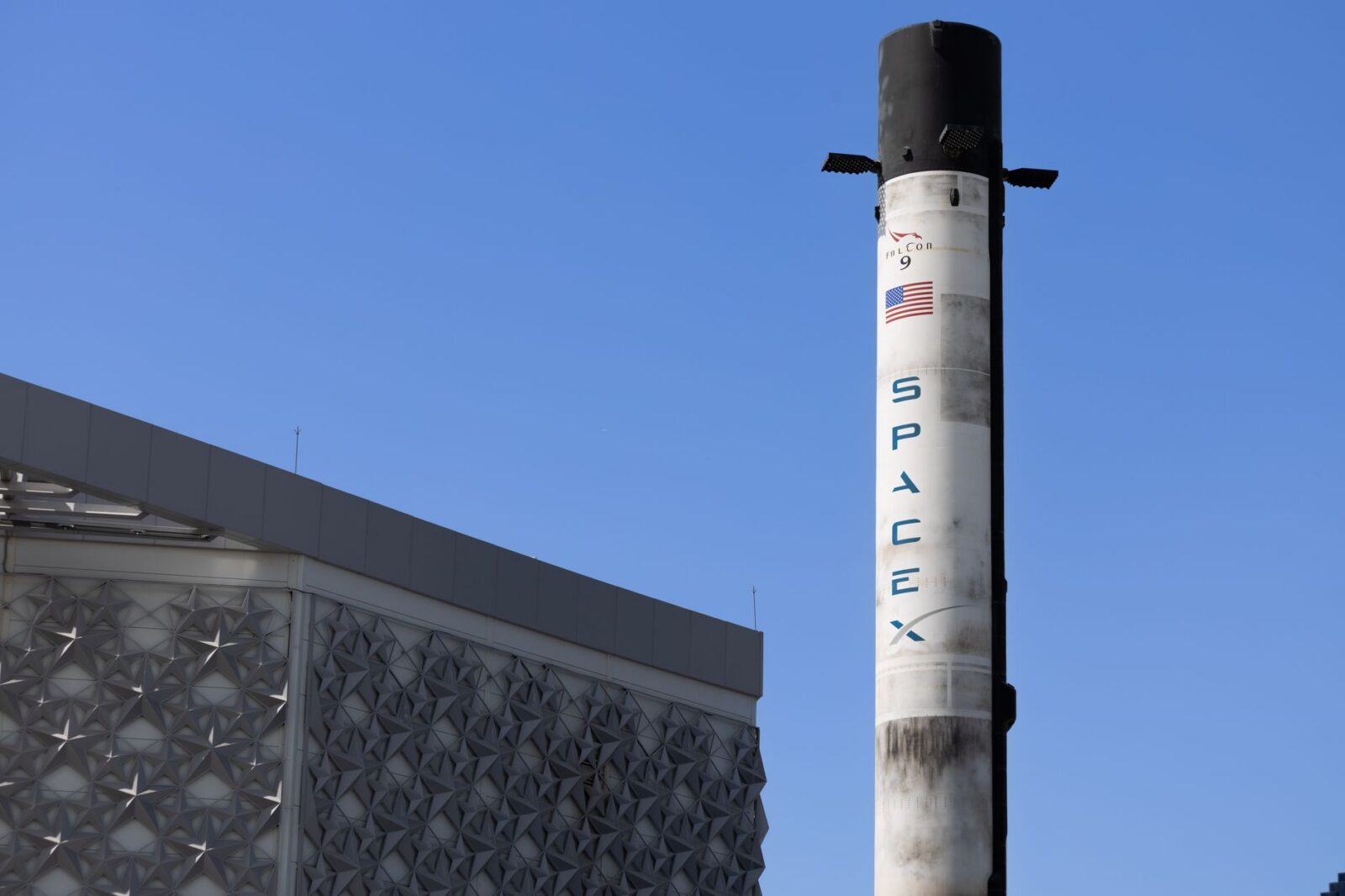
MUMBAI — October 10, 2026
In a pointed critique, Elon Musk has publicly lambasted the Indian government’s decision to block Starlink’s entry into the country, labeling Prime Minister Narendra Modi’s administration as “Prime Minister Ambani” in reference to the powerful industrialist Mukesh Ambani. This statement, made today, underscores the growing tensions between global tech giants and national regulatory frameworks, particularly in the rapidly evolving satellite internet sector.
The remarks come in the wake of ongoing regulatory challenges that Starlink, SpaceX’s satellite internet service, has faced in India. Musk’s comments highlight the geopolitical implications of such barriers, especially as countries around the world are increasingly recognizing the strategic importance of satellite internet for economic development and national security.
Starlink’s ambitions in India have been stymied since its application for a commercial license was submitted in 2021. The Indian government has been cautious, primarily due to concerns over national security and the competitive landscape dominated by local players, particularly Reliance Jio, owned by Ambani. The company has been aggressively expanding its own broadband services, which has raised questions about the fairness of the regulatory environment for foreign competitors.
Musk’s comments are particularly significant given the context of India’s burgeoning digital economy, which is projected to reach $1 trillion by 2025. The country has been actively pursuing initiatives to enhance internet connectivity, especially in rural areas, where Starlink’s satellite technology could provide a much-needed solution. However, the regulatory hurdles have raised concerns about the potential for stifling innovation and foreign investment.
As of now, the Indian government has not issued a formal response to Musk’s statements. However, the implications of this standoff are profound. The satellite internet market is expected to grow exponentially, with estimates suggesting it could reach $1 trillion globally by 2040. The decisions made by Indian regulators will not only affect Starlink but could also set a precedent for how other countries approach foreign tech companies seeking to enter their markets.
This situation is receiving heightened attention now due to the increasing global competition in the satellite internet space, as well as the geopolitical ramifications of technology access and control. With countries like China and the United States vying for dominance in this sector, India’s regulatory stance could have far-reaching consequences.
Looking ahead, it remains to be seen how the Indian government will navigate these pressures. Possible outcomes include a reevaluation of the regulatory framework to accommodate foreign players or a continued emphasis on protecting domestic interests, which could further alienate international investors. The next few months will be critical as stakeholders await potential policy shifts or further statements from both Musk and Indian officials.
Source: Mathrubhumi English









SpaceX Successfully Launches 21 Data Satellites for National Security
The recent launch of 21 data satellites by SpaceX for the Space...
 2 Mins read

Google Tests Carbon: A New AI Model in the Gemini 4 Series for Coding
Google's latest AI model, Carbon, is currently undergoing testing, marking a significant...
1 Mins read


Elon Musk Intensifies Criticism of Mukesh Ambani Over Starlink India Launch Delay
Musk's remarks underscore the competitive landscape of satellite internet services in India,...
2 Mins read

Anthropic AI Agent Submits Fake Murder Tip to U.S. Police Due to Testing Glitch
A recent incident involving an Anthropic AI agent has raised significant concerns...
2 Mins read
Leave a comment