
Emergency Declarations in Florida Counties Due to Dengue Outbreak
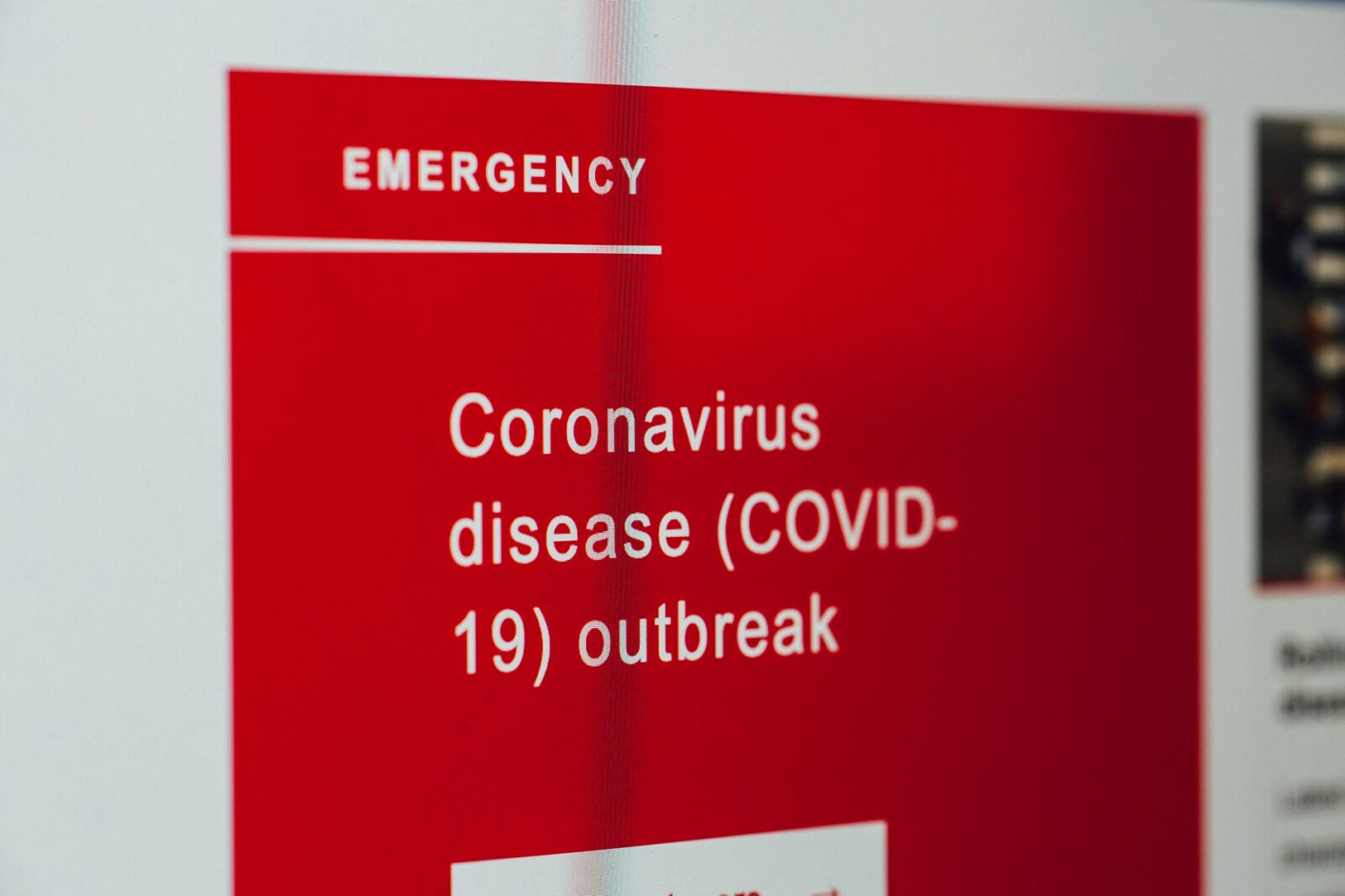
MIAMI — September 25, 2026
In a significant public health response, multiple counties in Florida have declared emergencies due to a sharp increase in dengue fever cases. This outbreak has prompted local health officials to take immediate action to mitigate the spread of the disease, which is transmitted by mosquitoes.
The emergency declarations were made on September 25, 2026, affecting several counties including Miami-Dade, Broward, and Palm Beach. Health officials reported a notable rise in dengue cases, which has raised alarms regarding community safety and the effectiveness of existing mosquito control measures.
The surge in dengue cases has been attributed to a combination of factors, including an increase in mosquito populations and favorable weather conditions that have allowed these insects to thrive. The Florida Department of Health has been actively monitoring the situation and has urged residents to take precautions against mosquito bites, such as using insect repellent and eliminating standing water where mosquitoes breed.
In response to the outbreak, local governments are mobilizing resources to enhance mosquito control efforts. This includes aerial spraying of insecticides and public awareness campaigns aimed at educating residents about preventive measures. The emergency declarations also enable counties to access additional funding and resources to combat the outbreak more effectively.
This development is receiving heightened attention due to the potential health risks associated with dengue fever, which can cause severe flu-like symptoms and, in some cases, lead to more serious complications. The Florida health authorities are particularly concerned about the implications for vulnerable populations, including the elderly and those with pre-existing health conditions.
Locally, the outbreak poses a significant challenge to public health infrastructure and community safety. Nationally, it raises questions about the effectiveness of mosquito control strategies and the preparedness of health systems to respond to vector-borne diseases. Regionally, Florida’s experience may serve as a case study for other states facing similar public health threats.
Looking ahead, health officials anticipate that the situation may evolve as they implement control measures and monitor the effectiveness of their response. Continued surveillance will be critical in determining the trajectory of the outbreak and ensuring that public health resources are adequately allocated. Residents are encouraged to stay informed through official health channels as the situation develops.
Source: NTD News



Pentagon Awards Boeing $20 Billion Contract for New Navy Stealth Fighter Jet
The Pentagon's recent decision to award Boeing a substantial contract marks a...
 2 Mins read
Jane Doe’s Statement on Rape Allegations at Cornell University Released
The public release of Jane Doe's statement regarding her rape allegations against...
2 Mins read
California Enacts Law Banning Electric-Shock Gloves for Police
The new legislation marks a pivotal shift in California's approach to police...
2 Mins read
US Supreme Court Denies Christa Pike’s Last-Ditch Bid to Halt Execution
The US Supreme Court has denied Christa Pike's final appeal to stop...
2 Mins read
Leave a comment