
Escalation in Russia-Ukraine Conflict Marks New Phase of Tensions
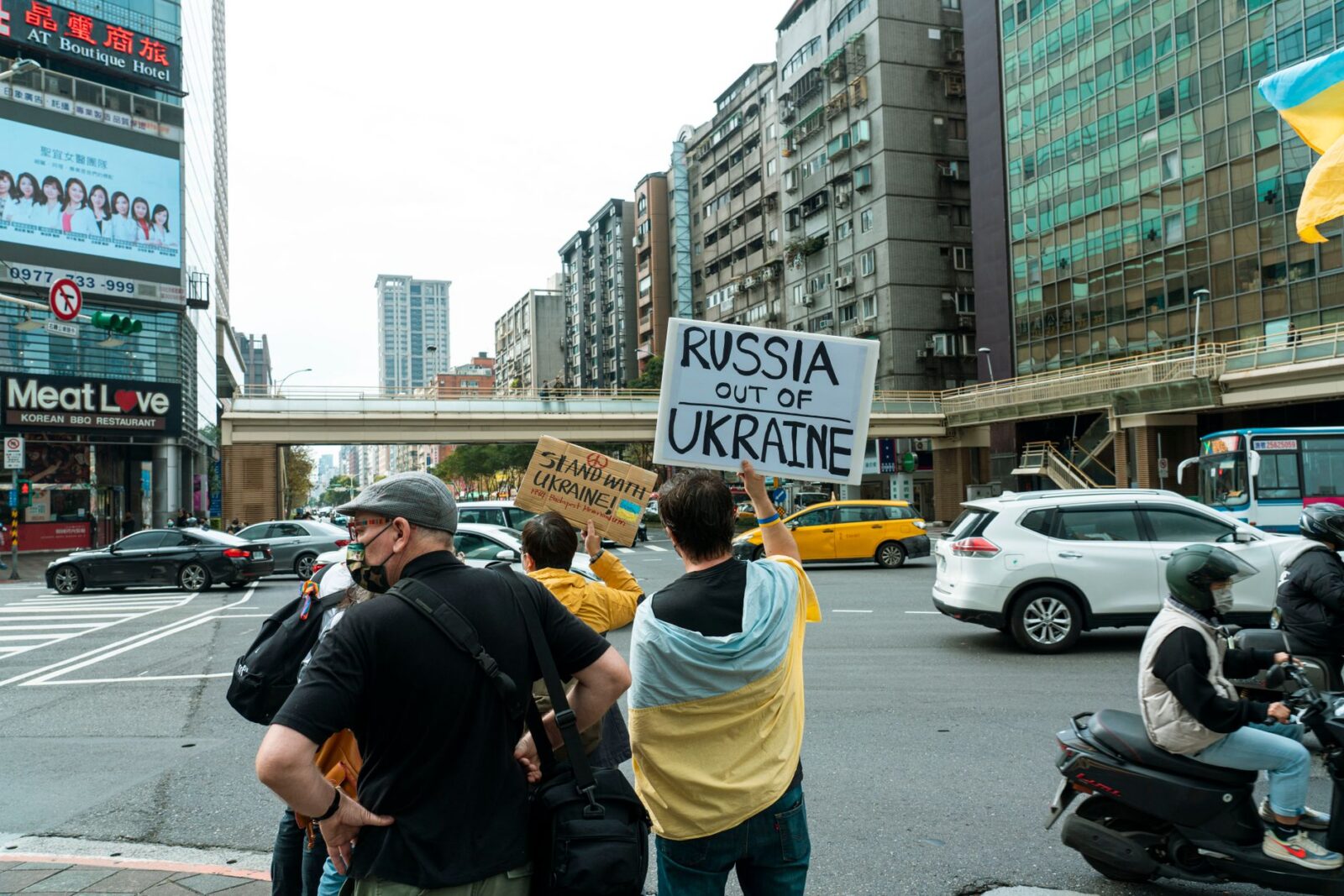
On June 27, 2026, reports emerged of intensified military engagements along the border between Russia and Ukraine. The Ukrainian military confirmed a series of skirmishes in the eastern regions, particularly in Donetsk and Luhansk, where pro-Russian separatists, supported by Moscow, have been entrenched for years. This recent rise in hostilities has resulted in casualties on both sides, with Ukrainian officials stating that at least 15 soldiers were killed in the latest confrontations.
Key players in this conflict include the Russian Federation, led by President Vladimir Putin, and Ukraine, under President Volodymyr Zelensky. The international community is closely monitoring the situation, with NATO and the European Union expressing deep concern over the deteriorating security conditions. The United States has reiterated its commitment to supporting Ukraine, with Secretary of State Antony Blinken stating that any aggressive actions from Russia would face severe diplomatic and economic repercussions.
This escalation matters on a global scale as it threatens to destabilize an already fragile European security landscape. The ongoing war has significant implications for energy prices, European defense strategies, and international diplomatic relations. With Western nations heavily reliant on energy supplies from the region, any disruption could exacerbate the current energy crisis fueled by the war.
Looking ahead, analysts warn that if the situation continues to escalate, it could lead to a broader conflict, potentially drawing in NATO forces under Article 5, which could invoke collective defense measures. The stakes are high as both Ukraine and Russia prepare for what could be a protracted military engagement, while the world watches closely to see how global powers will respond to this latest chapter of the conflict.
Source: Journal-News.com




Traditionalist Catholics Challenge Pope Leo XIV’s Authority, Embrace Outsider Identity
The growing rift among traditionalist Catholics signifies a pivotal moment in the...
 1 Mins read
Pope Leo XIV Opens Consistory, Urges Cardinals to Foster Global Unity in Faith
Pope Leo XIV's call for unity among cardinals underscores the Catholic Church's...
1 Mins read
Cardinals Consider Replacing ‘Just War’ Doctrine with ‘Proportional Defense’ Framework
The potential shift from 'just war' to 'proportional defense' could redefine Catholic...
1 Mins read


Pope Appoints Former Undocumented Migrant as Bishop in the United States
This historic appointment highlights the Catholic Church's stance on immigration and inclusion,...
1 Mins read
Leave a comment