
EU Lifts Sanctions on Russian Oligarchs Usmanov and Fridman at France’s Request
BRUSSELS — September 22, 2026
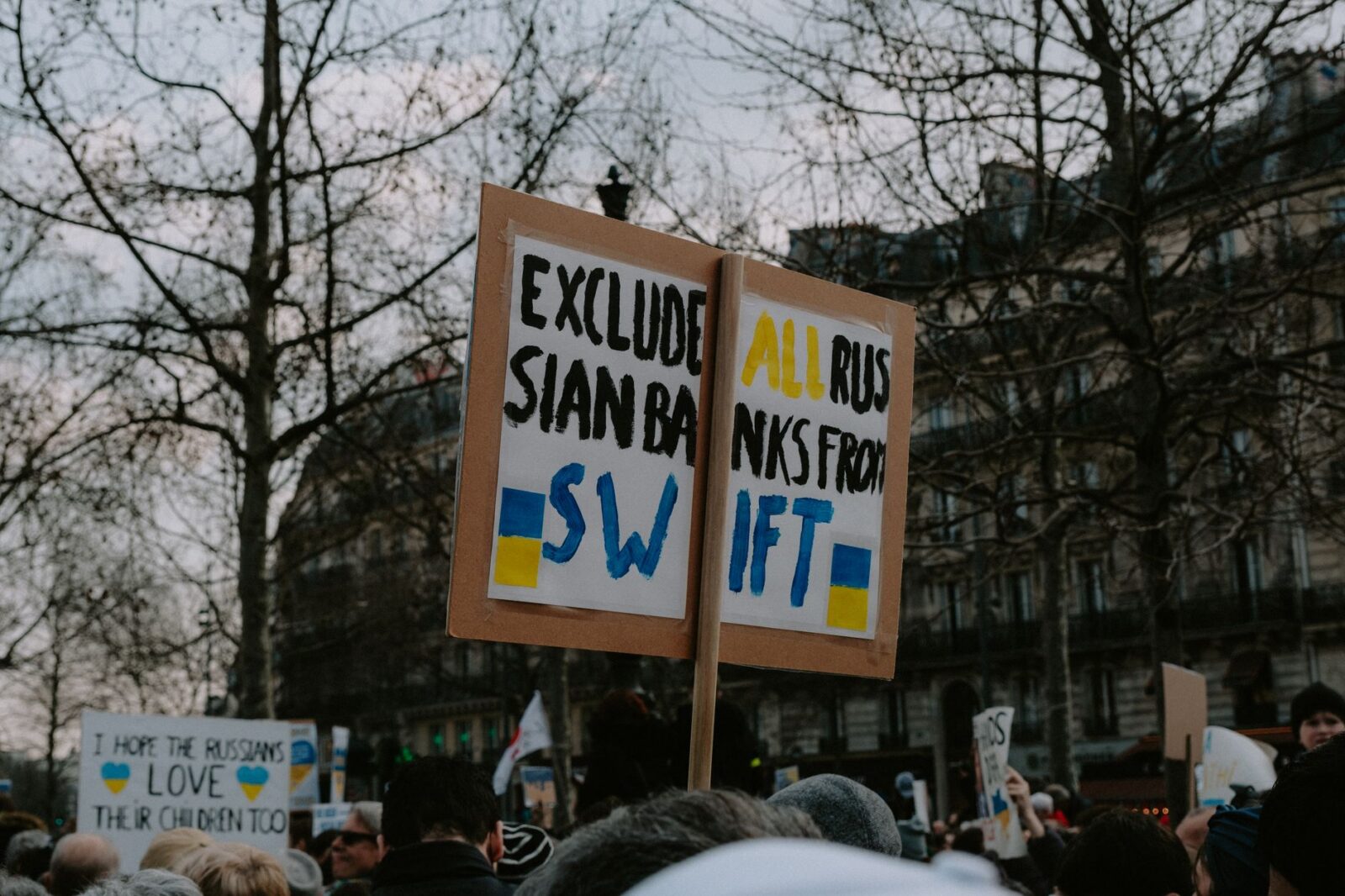
In a notable geopolitical development, the European Union (EU) has agreed to lift sanctions on Russian oligarchs Alisher Usmanov and Mikhail Fridman. This decision, confirmed on September 22, 2026, comes at the request of France, marking a significant shift in the EU’s stance on sanctions against Russian individuals amid ongoing tensions related to the conflict in Ukraine.
The sanctions against Usmanov and Fridman were initially imposed in 2022 as part of a broader strategy by the EU to penalize individuals and entities linked to the Russian government following its military actions in Ukraine. Both oligarchs have been prominent figures in Russia’s business landscape, with Usmanov known for his investments in metals and telecommunications, while Fridman has significant interests in the oil and gas sectors.
The request from France to lift these sanctions has raised eyebrows among EU member states and international observers. French officials have argued that the lifting of sanctions is necessary to foster dialogue and improve economic relations, particularly in light of the evolving geopolitical landscape. This decision is seen as a strategic move by France to position itself as a mediator in the ongoing conflict and to potentially facilitate negotiations between Russia and Ukraine.
As of now, the specific interests at stake include the potential for increased economic cooperation between the EU and Russia, particularly in sectors where these oligarchs have substantial influence. The lifting of sanctions could also have implications for international investment flows and the broader economic recovery in Europe, which has been strained by the ongoing conflict.
This development is receiving heightened attention due to its implications for EU unity and the broader international response to Russia’s actions. Critics argue that lifting sanctions could undermine the EU’s previous commitments to hold Russia accountable for its aggression, while supporters claim it could open avenues for peace talks.
Looking ahead, the EU’s decision may prompt discussions among member states regarding the future of sanctions policy against Russia. There is a possibility of further negotiations aimed at balancing economic interests with the need for a unified stance against aggression. Additionally, this move could lead to increased scrutiny of other sanctions currently in place against Russian individuals and entities.
In conclusion, the EU’s decision to lift sanctions on Usmanov and Fridman at France’s request marks a pivotal moment in international relations, with potential ramifications that extend beyond Europe. As the situation develops, the global community will be watching closely to see how this decision influences the ongoing conflict and the EU’s approach to sanctions in the future.
Source: sg.news.yahoo.com







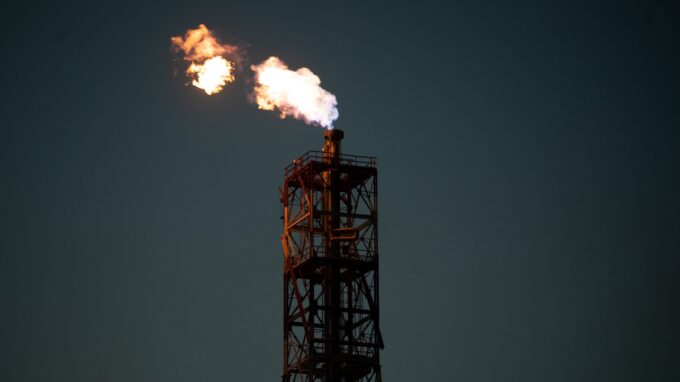
Ukrainian Veteran Advocates for Continued Strikes on Russian Refineries
Ukrainian veteran Dykyi emphasizes the strategic importance of ongoing military strikes against...
 1 Mins read

U.S. and Iran Officials Hold ‘Very Good’ Meeting to Discuss Ending War
A significant meeting between U.S. and Iran officials has taken place, signaling...
2 Mins read
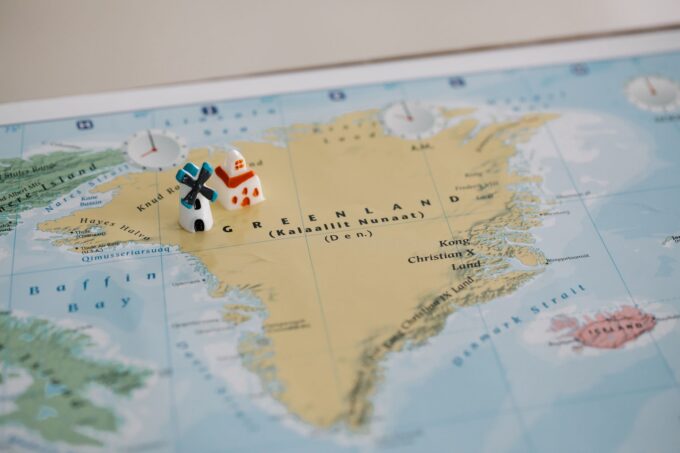
Trump Signs Arctic Military Bases Agreement with Denmark and Greenland
The signing of a new Arctic military bases agreement by Trump marks...
1 Mins read


U.S. and Iran Officials Meet at UN Amid Heightened Tensions
Top U.S. and Iran officials convened at the United Nations following recent...
1 Mins read

Leave a comment