
EU Renews Sanctions Against Russia, Drops Billionaires Usmanov and Fridman
BRUSSELS — September 22, 2026
In a notable development in European foreign policy, the European Union (EU) has officially renewed its sanctions against Russia, while simultaneously dropping two high-profile Russian billionaires, Alisher Usmanov and Mikhail Fridman, from its sanctions list. This decision was confirmed on September 22, 2026, and reflects the EU’s ongoing response to the geopolitical tensions stemming from Russia’s actions in Ukraine and its broader implications for international relations.
The renewal of sanctions comes as the EU continues to grapple with the consequences of Russia’s military aggression and its impact on European security. The sanctions, which have been in place since 2014, target various sectors of the Russian economy, including finance, energy, and defense, aiming to pressure the Kremlin into altering its course of action.
Alisher Usmanov and Mikhail Fridman, both influential figures in the Russian business landscape, were initially sanctioned due to their close ties to the Russian government and their significant wealth, which is believed to be leveraged to support state interests. The decision to remove them from the sanctions list has raised eyebrows among analysts and policymakers, as it suggests a potential shift in the EU’s approach to dealing with Russian oligarchs.
The trigger for this development appears to be a combination of diplomatic negotiations and changing economic assessments within the EU. As the bloc seeks to balance its economic interests with its geopolitical stance, the removal of Usmanov and Fridman may indicate a willingness to engage with certain Russian elites who could play a role in future negotiations regarding Ukraine and broader European security.
This story is receiving heightened attention now due to the ongoing conflict in Ukraine and the EU’s critical role in shaping international responses to Russian aggression. The implications of these sanctions extend beyond the immediate economic impact; they also reflect the EU’s strategic priorities and its efforts to maintain unity among member states in the face of external threats.
Locally, this development may influence discussions within EU member states regarding the effectiveness of sanctions and their long-term viability. Nationally and regionally, it raises questions about the EU’s commitment to a unified foreign policy and its ability to navigate complex relationships with powerful individuals in Russia.
Looking ahead, the EU may face pressure to justify its decision to drop Usmanov and Fridman from the sanctions list, particularly from member states that advocate for a tougher stance against Russia. Future discussions may focus on the potential for further sanctions or adjustments based on Russia’s actions in Ukraine and its compliance with international norms.
As the geopolitical landscape continues to evolve, the EU’s decisions regarding sanctions will remain a focal point for analysts and policymakers, shaping the future of European security and international relations.
Source: Reuters







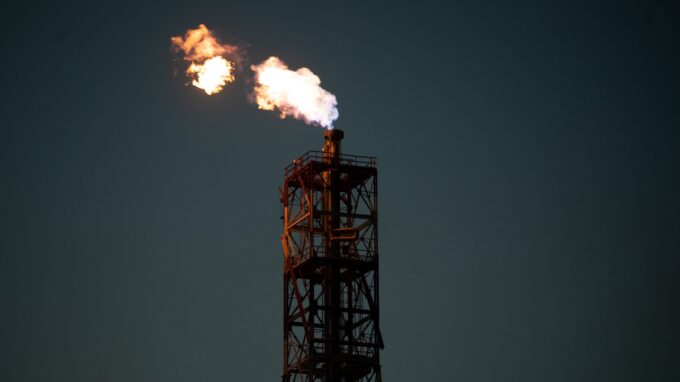
Ukrainian Veteran Advocates for Continued Strikes on Russian Refineries
Ukrainian veteran Dykyi emphasizes the strategic importance of ongoing military strikes against...
 1 Mins read

U.S. and Iran Officials Hold ‘Very Good’ Meeting to Discuss Ending War
A significant meeting between U.S. and Iran officials has taken place, signaling...
2 Mins read
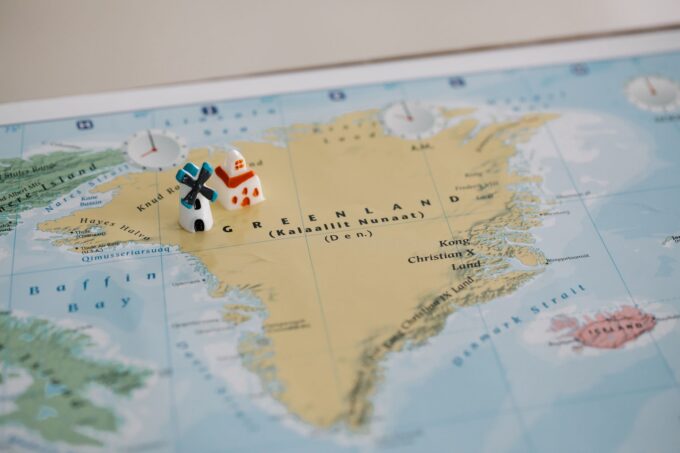
Trump Signs Arctic Military Bases Agreement with Denmark and Greenland
The signing of a new Arctic military bases agreement by Trump marks...
1 Mins read


U.S. and Iran Officials Meet at UN Amid Heightened Tensions
Top U.S. and Iran officials convened at the United Nations following recent...
1 Mins read

Leave a comment