
Europe Implements Subsidies and Tax Adjustments to Alleviate High Diesel Prices
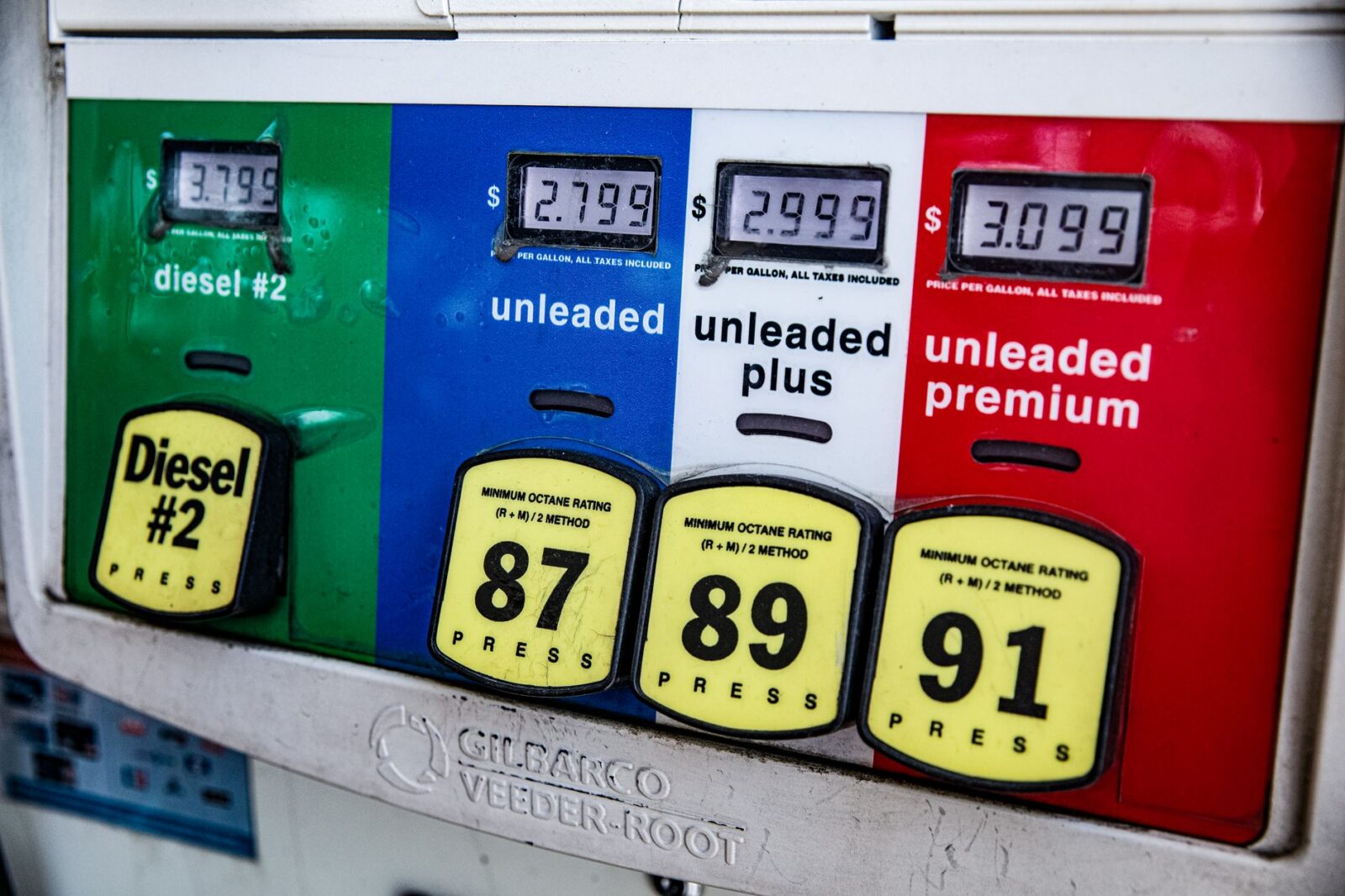
BRUSSELS — September 25, 2026
In a significant move to address the economic challenges posed by record-high diesel prices, European governments are implementing a series of subsidies, tax adjustments, and policy pauses. This initiative aims to alleviate the financial burden on consumers and businesses alike, as the continent grapples with the ramifications of escalating fuel costs.
The current surge in diesel prices has been attributed to a combination of factors, including geopolitical tensions, supply chain disruptions, and increased demand as economies recover from the pandemic. As of late September 2026, diesel prices have reached unprecedented levels, prompting urgent action from policymakers across Europe.
Countries such as Germany, France, and Italy are at the forefront of these efforts. Germany has announced a temporary reduction in fuel taxes, while France is rolling out direct subsidies to low-income households to help offset the increased costs of transportation and goods. Italy has also joined the fray, proposing a policy pause on certain fuel taxes to provide immediate relief to consumers.
The European Commission has been actively involved in coordinating these responses, emphasizing the need for a unified approach to tackle the economic impact of high fuel prices. In a statement, the Commission highlighted that these measures are essential to protect consumers and ensure the stability of the European market.
These developments are receiving heightened attention due to their potential implications for inflation rates and overall economic stability in the region. As fuel prices directly affect transportation costs, which in turn influence the prices of goods and services, the ripple effects could be significant. Analysts are closely monitoring how these measures will impact consumer spending and business operations in the coming months.
Moreover, the political ramifications of these decisions cannot be overlooked. With rising public discontent over living costs, governments are under pressure to act decisively. The effectiveness of these measures will likely play a crucial role in upcoming elections, as voters assess their leaders’ responses to economic challenges.
Looking ahead, it is anticipated that European governments will continue to adapt their strategies based on the evolving economic landscape. Future discussions may focus on long-term solutions to energy dependency and sustainability, as well as the potential for further regulatory adjustments to stabilize fuel markets.
In conclusion, Europe’s proactive stance in addressing high diesel prices through subsidies and tax adjustments underscores the urgency of the situation. As these policies unfold, their effectiveness will be pivotal in shaping the economic outlook for the region.




G7 Agrees to Release 100 Million Barrels of Oil and Diesel Over Four Months
The G7's decision to release significant oil reserves aims to stabilize global...
 2 Mins read
G7 Announces 100 Million-Barrel Oil Release to Stabilize Global Prices
The G7's decision to release 100 million barrels of oil aims to...
2 Mins read
Rethinking Surveillance: The Architecture of Accountability in Automated License Plate Readers
An exploration of the architectural flaws in automated license plate reader systems...
2 Mins read
Navigating the Waters of Corporate Transparency: The SEC’s Controversial Proposal
Exploring the implications of the SEC’s proposed shift to semiannual earnings reporting...
2 Mins read
Leave a comment