
Ex-FBI Agent Critiques Polygraph Reliability Amid Ongoing Legal Debates
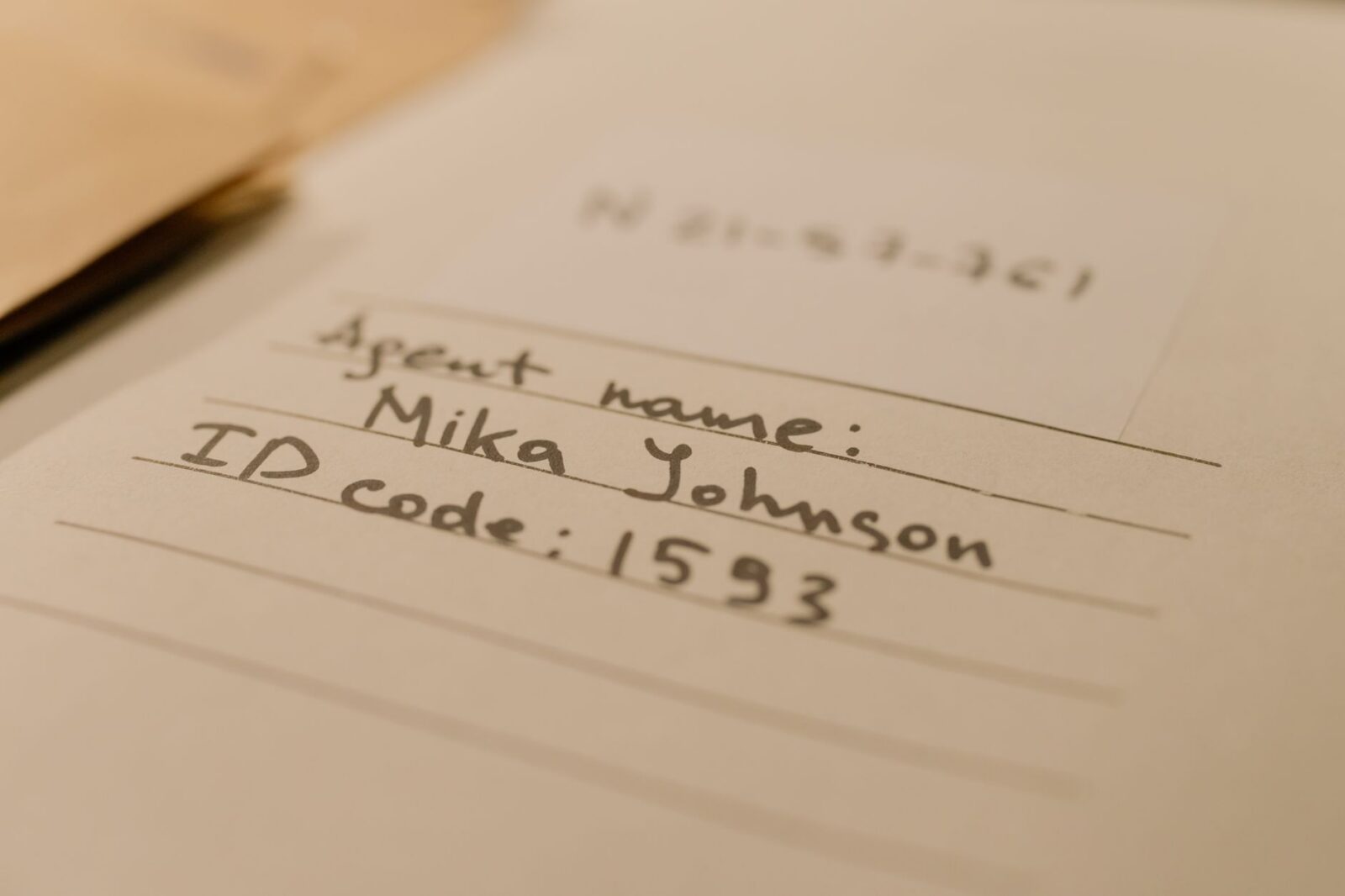
In a recent statement, a former FBI agent has sharply criticized the reliability of polygraph tests, likening the practice to a medieval witch trial where the accused is condemned regardless of evidence. This commentary comes at a time when the use of polygraphs in legal contexts is increasingly being questioned, particularly in criminal investigations and employment screenings.
The remarks were made on September 7, 2026, during a panel discussion on forensic science and its implications for law enforcement and the judiciary. The ex-agent highlighted the subjective nature of polygraph testing, suggesting that results can often be misleading and do not reliably indicate truthfulness or deception. This critique resonates amid ongoing debates within legal circles about the admissibility of polygraph results in court.
This discussion is particularly timely as various jurisdictions are reconsidering the role of polygraphs in legal proceedings. The potential for wrongful convictions based on flawed polygraph results has drawn attention from civil rights advocates and legal experts alike, prompting calls for reform in how such tests are utilized and interpreted.
As the legal community grapples with these issues, one potential outcome may be increased legislative scrutiny and a push for standardized protocols regarding polygraph use. Future hearings and discussions may lead to a reevaluation of existing laws governing forensic evidence, impacting not only law enforcement practices but also public perception of justice and accountability in the legal system.
Source: Modern Ghana








Anti-Immigrant Sentiment Drives MAGA and AfD Unity Amid Rising Extremism
The convergence of MAGA and AfD ideologies underscores a global rise in...
 1 Mins read

ICE Conducts Significant Operation in Virginia Targeting Immigration Violations
This operation underscores ongoing national efforts to enforce immigration laws and its...
1 Mins read

Reflecting on 25 Years Since 9/11: A Transformative Era for U.S. Homeland Security
The legacy of 9/11 continues to shape global security policies and civil...
1 Mins read


UN Rights Chief Warns of ‘Existential’ Threat Posed by AI
The UN's warning highlights urgent global concerns over AI's potential risks to...
1 Mins read

Leave a comment