
Exploring Dolarization: A Double-Edged Sword for Venezuela’s Economy

A Proposal Amid Political Turmoil
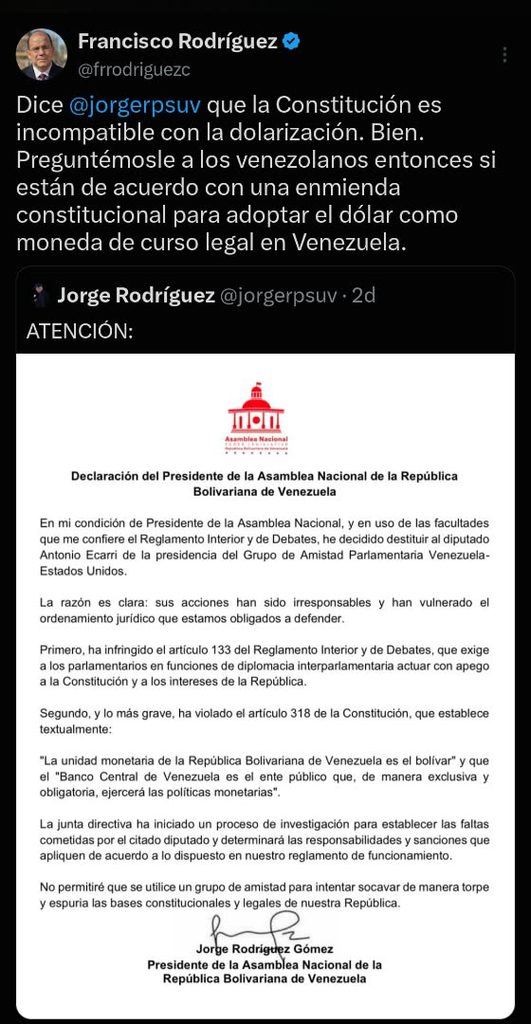
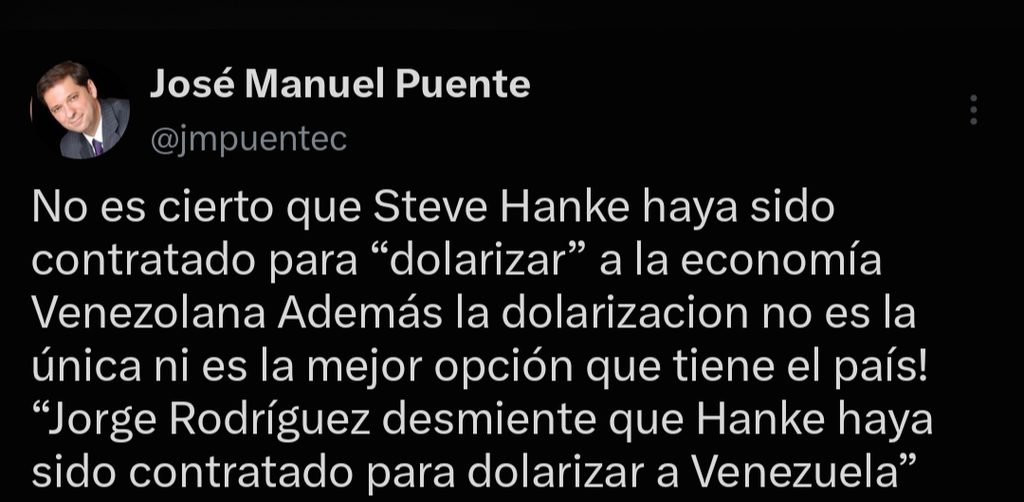
The notion of dolarization in Venezuela has surfaced once again, this time through the remarks of National Assembly Deputy Antonio Ecarri. He posited that adopting the U.S. dollar could serve as a “vaccine against hyperinflation.” However, this proposal has ignited significant political controversy, leading to Ecarri’s dismissal from his parliamentary leadership role due to perceived overreach in representing legislative interests.
Contextualizing Dolarization
While the idea of replacing the bolívar with the dollar is not new, its relevance has surged in light of ongoing economic crises. With inflation rates soaring and the bolívar losing value daily, many Venezuelans find themselves grappling with a devalued currency. Yet, experts caution that merely adopting the dollar does not guarantee an increase in citizens’ purchasing power. Economist Giorgio Cunto emphasizes that while dolarization could stabilize inflation, it does not inherently enhance the financial well-being of the populace.
Understanding the Economic Landscape
- Partial Dolarization: Venezuela has already experienced a form of partial dolarization, where prices are set in dollars, though the bolívar remains the official currency.
- Inflation Trends: The inflation rate accelerated to 19.9% in July, highlighting the urgency for effective economic interventions.
- Competing in a Dollarized Economy: Cunto warns that transitioning to a full dolarization may confine Venezuela to competing in a dollar-based economy without enhancing productivity.
Benefits and Burdens of Dolarization
Proponents argue that dolarization could mitigate inflation, fostering a more stable economic environment by cutting the government’s ability to print money indiscriminately. However, experts also outline the associated costs and challenges:
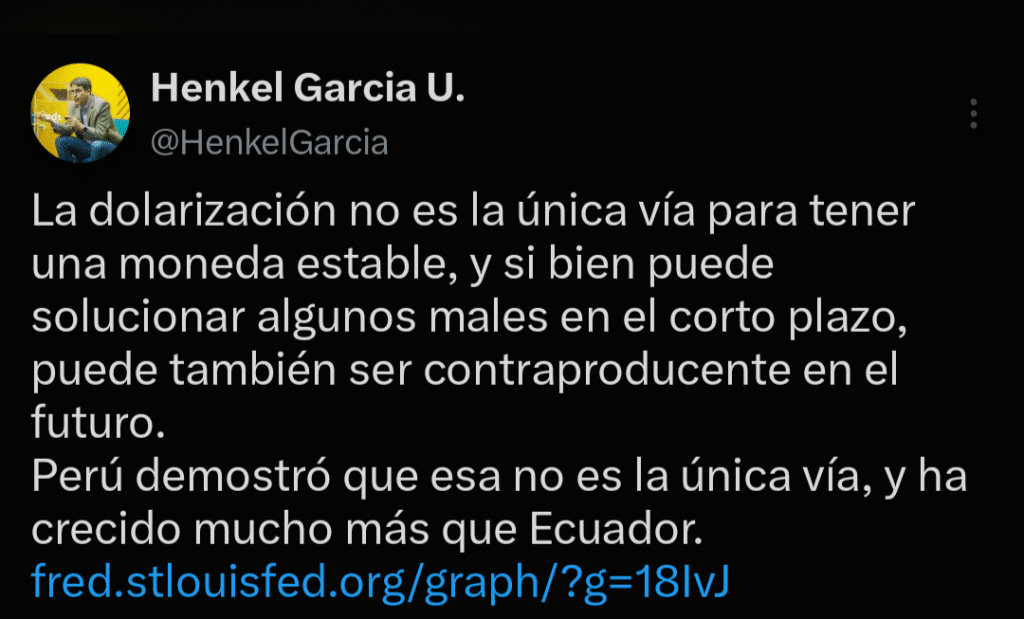
- Loss of Monetary Sovereignty: Dolarization would strip Venezuela of its ability to implement independent monetary policies, leaving it vulnerable to external economic shocks.
- Potential Financial Vulnerabilities: Increased reliance on a foreign currency could heighten the risk of financial instability and liquidity crises.
- Long-Term Implications: Countries like Ecuador and El Salvador provide cautionary tales, having faced fiscal crises despite adopting the dollar.
Public Sentiment and Economic Realities
Public opinion appears to support the idea of dolarization as a potential relief from Venezuela’s economic hardships. A survey conducted by AtlasIntel and Bloomberg revealed that a significant portion of the population favors this approach. However, Cunto warns that while public support is strong, many fail to grasp that simply transitioning to the dollar does not equate to increased wealth. Without addressing underlying fiscal issues, citizens may find themselves in a similar economic plight despite a shift in currency.
The Road Ahead: Seeking Sustainable Solutions
As discussions around dolarization continue, experts emphasize the necessity of alternative paths. Advocates suggest establishing a more stable, multi-currency financial environment where both bolívares and dollars coexist. A transparent, accountable government that reports economic data accurately can also pave the way for informed decision-making.
Ultimately, the resolution of Venezuela’s economic conundrum may not lie in adopting a single currency but in nurturing a responsible fiscal policy that prioritizes the welfare of its citizens. As the nation navigates these turbulent waters, the conversation around dolarization serves as a reminder of the complex interplay between currency, policy, and the everyday lives of Venezuelans.

Editorial note: This article was created by A Bit Lavish Miami’s Magazine as an original editorial reinterpretation based on publicly available reporting. Original source: efectococuyo.com. Read the original article here: https://efectococuyo.com/economia/dolarizar-no-se-traduce-en-mayor-poder-adquisitivo-de-la-poblacion-advierten-economistas/.
Images are used for editorial reference with source credit. If an image requires correction or removal, please contact A Bit Lavish.




Venezuela’s Inflation Rate Hits 8.4% in September 2026
The Central Bank of Venezuela has reported an inflation rate of 8.4%...
 2 Mins read
Navigating the Divide: Brazil’s Polarized Election Landscape
As Brazil approaches a critical election, the nation is divided between Lula...
2 Mins read
A Day of Unity and Compassion: Germany’s National Celebration in La Guaira
On Germany's National Day, the embassy in Venezuela took a humanitarian approach,...
2 Mins read
Former GOP Congressman David Rivera Sentenced to 10 Years for Secret Lobbying Tied to Venezuela
David Rivera's sentencing marks a significant moment in the intersection of U.S....
1 Mins read