
FAA Concludes Boeing 737 MAX Software Glitch Does Not Compromise Safety
MIAMI — October 2, 2026
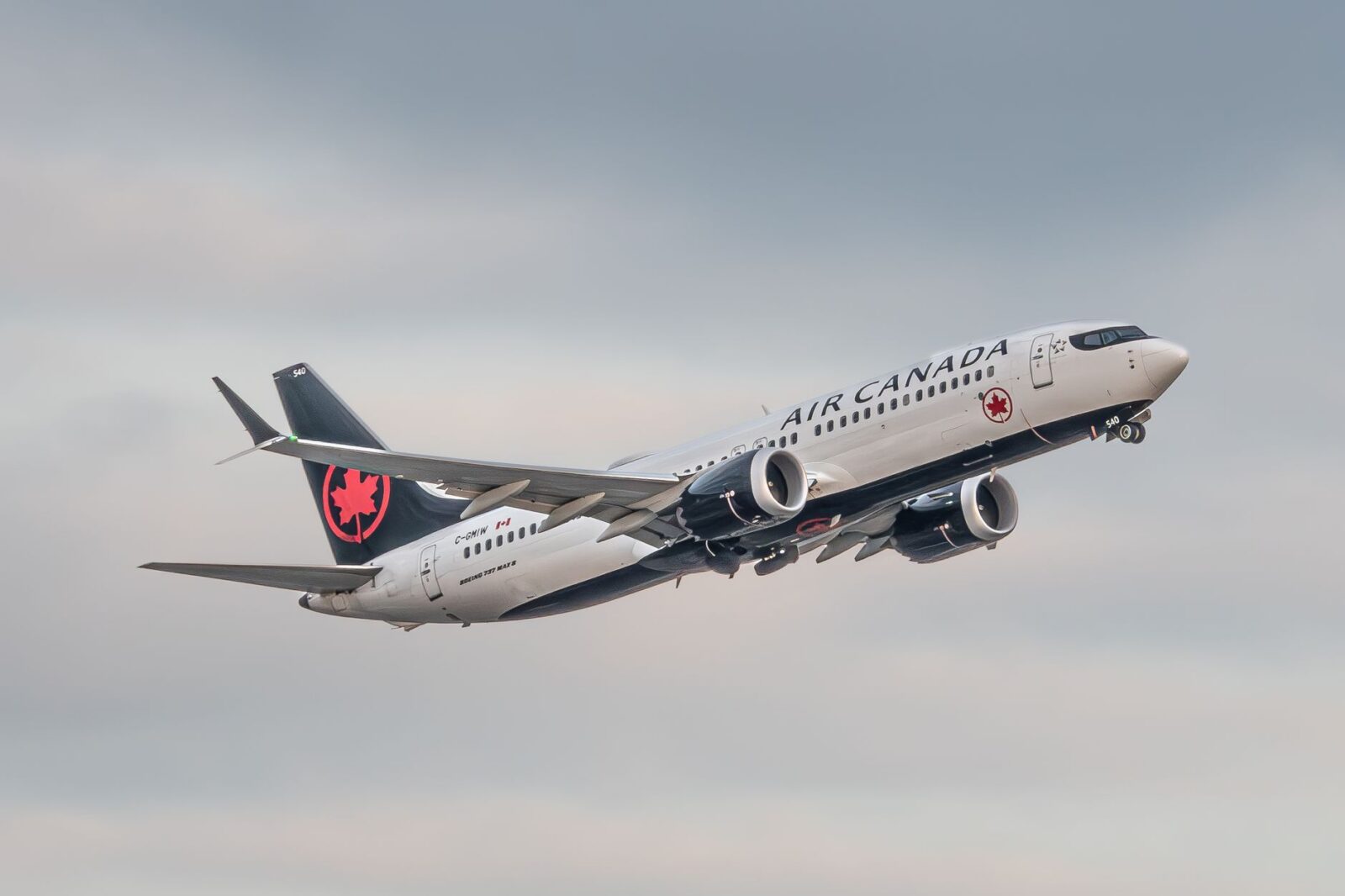
In a significant development for the aviation industry, the Federal Aviation Administration (FAA) announced on October 2, 2026, that a software glitch identified in the Boeing 737 MAX does not pose a safety issue. This conclusion comes after extensive investigations into the aircraft’s operational integrity, addressing ongoing concerns that have lingered since the model’s troubled history.
The FAA’s findings are crucial, particularly as the 737 MAX has been under scrutiny since two fatal crashes in 2018 and 2019, which led to a global grounding of the fleet. The recent software glitch was flagged during routine safety assessments, prompting fears of potential operational risks. However, the FAA’s thorough review concluded that the glitch does not affect the aircraft’s safety performance, allowing airlines to continue operating the aircraft without additional restrictions.
This announcement was made public through a statement released by the FAA, which emphasized the agency’s commitment to ensuring the highest safety standards in aviation. The FAA’s decision is expected to bolster confidence among airlines and passengers alike, as the 737 MAX has gradually returned to service following its grounding.
Key stakeholders in this development include Boeing, which has been working closely with the FAA to address safety concerns and restore the 737 MAX’s reputation. The company has invested significantly in software updates and pilot training programs to enhance safety protocols. As of now, over 200 737 MAX aircraft have been delivered to airlines worldwide, with many more on order.
The significance of this finding cannot be overstated. It comes at a time when the aviation industry is still recovering from the impacts of the COVID-19 pandemic, and airlines are eager to maximize their fleet efficiency. The FAA’s clearance of the software issue is likely to facilitate a smoother operational environment for airlines that rely on the 737 MAX, which is known for its fuel efficiency and advanced technology.
Looking ahead, the FAA’s decision may lead to increased scrutiny of other aircraft models and their software systems, as the agency continues to prioritize safety in an evolving aviation landscape. Additionally, Boeing’s ongoing efforts to enhance its safety protocols will be closely monitored by regulators and industry analysts alike.
In conclusion, the FAA’s determination that the Boeing 737 MAX software glitch does not compromise safety is a pivotal moment for the aviation sector, reinforcing the importance of rigorous safety standards while allowing the industry to move forward with renewed confidence.
Source: Reuters










California and Michigan File Lawsuit to Block Weaker Fuel Economy Rules
The lawsuit represents a significant legal challenge to federal regulations impacting environmental...
 2 Mins read
Miami Developer Rishi Kapoor Sentenced to 11 Years for $89 Million Investor Scam
Rishi Kapoor, a Miami-based developer, has been sentenced to 11 years in...
2 Mins read

California Files Lawsuit to Block Trump’s Rollback of Fuel Economy Standards
California's legal action against the Trump administration's proposed rollback of fuel economy...
1 Mins read



South Africa Faces Alarming Surge in Mass Shootings, 46 Lives Lost in a Week
A recent spate of mass shootings in South Africa has resulted in...
2 Mins read

Leave a comment