
Federal Court Upholds Oregon’s Landmark Packaging EPR Law
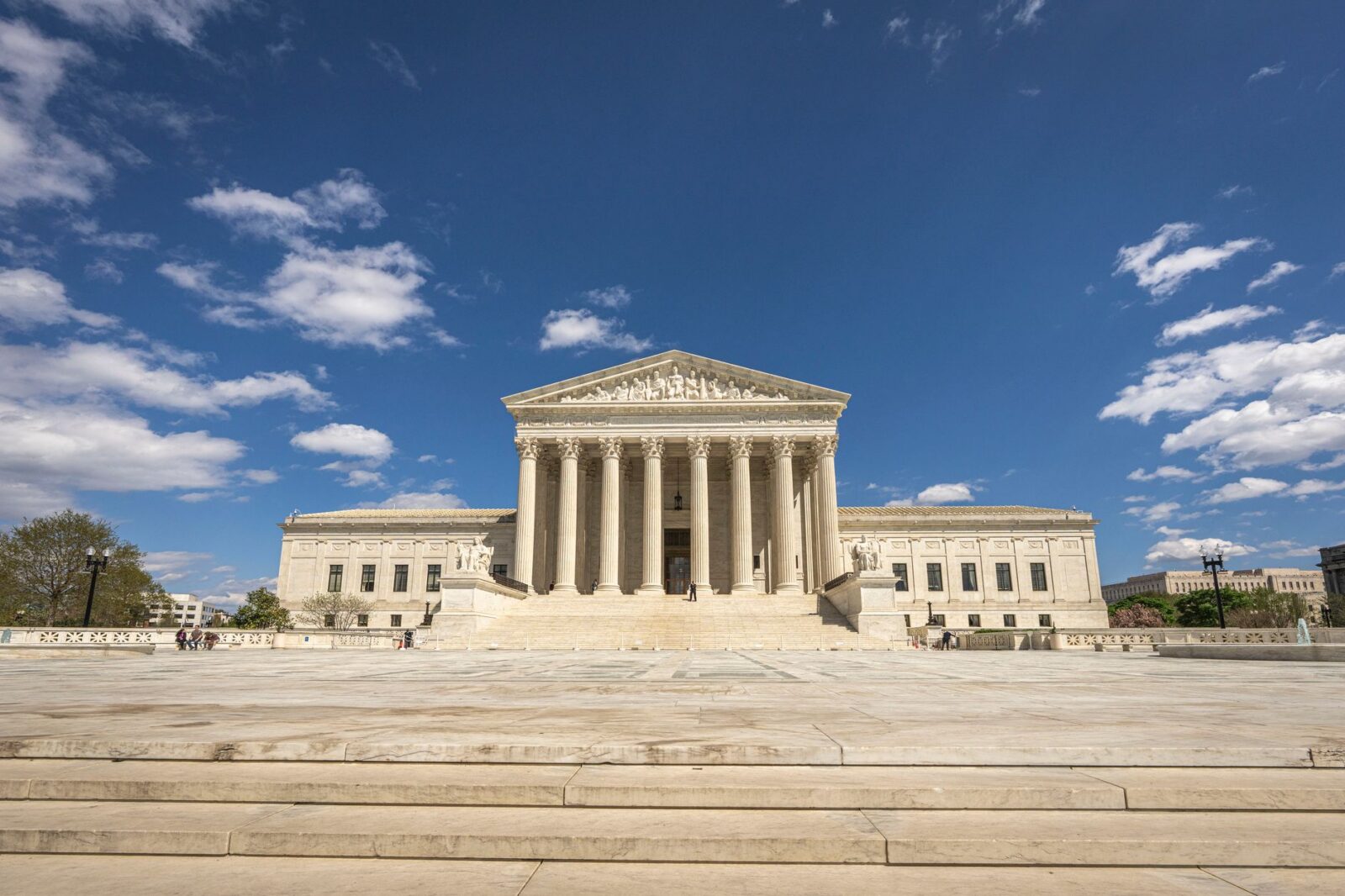
In a significant ruling on September 1, 2026, the United States District Court for the District of Oregon upheld the state’s Extended Producer Responsibility (EPR) law concerning packaging. This landmark decision reinforces Oregon’s pioneering stance on environmental sustainability and places significant responsibilities on producers regarding the lifecycle of their packaging materials.
The EPR law, enacted in 2021, mandates that manufacturers are accountable for the recycling and disposal of their packaging, thereby aiming to reduce waste and promote recycling initiatives. The ruling directly involves the Oregon Department of Environmental Quality and various stakeholders from the packaging and manufacturing sectors who challenged the law on grounds of economic feasibility and regulatory overreach.
This ruling is timely, as global discussions intensify around environmental regulations and sustainable practices in the wake of escalating climate concerns. The court’s decision aligns with broader trends towards heightened accountability for companies regarding their environmental impact, influencing similar legislative efforts across the United States and potentially internationally.
Looking ahead, this ruling may prompt other states to consider implementing or strengthening their own EPR laws, as well as encouraging federal initiatives on waste management and sustainability. The implications could lead to a transformation in how companies approach packaging design and waste management, emphasizing a shift towards circular economy principles.
Source: Hogan Lovells Cadwalader








Illinois Officials Affirm Commitment to Immigrant Protection Amid Rising Tensions
The ongoing commitment to immigrant protection in Illinois highlights a critical moment...
 1 Mins read

Tinubu’s FBI Records Raise Questions on Accountability in Nigerian Governance
The scrutiny over Tinubu's FBI records highlights urgent global demands for transparency...
1 Mins read

Quinn Hughes Negotiations Stalemate as Minnesota Wild and New Jersey Devils Enter Bidding War
The ongoing negotiations for defenseman Quinn Hughes have significant implications for NHL...
1 Mins read



East Baton Rouge Parish Pursues $125 Million Federal Grant to Combat Crime
This initiative highlights urgent national concerns about crime reduction and federal funding...
1 Mins read
Leave a comment