
Federal Judge Orders Notice Before Possible Demolition of Kennedy Center Amid Trump Controversy
WASHINGTON, D.C. — September 17, 2026
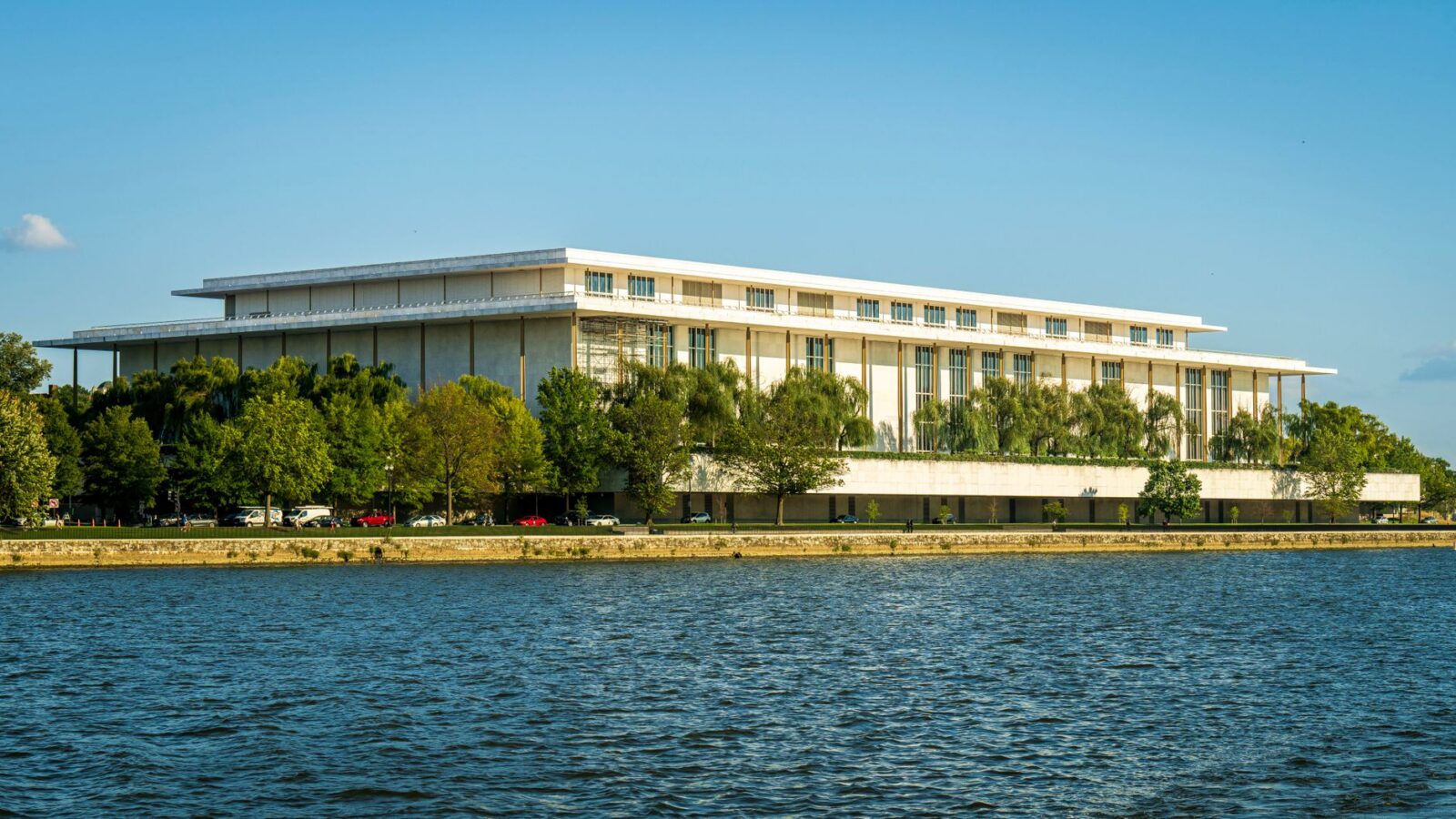
A significant legal development unfolded on September 17, 2026, when a federal judge ordered that notice must be provided before any potential demolition of the Kennedy Center, a landmark cultural institution in Washington, D.C. This ruling comes amid a broader controversy involving former President Donald Trump, raising questions about the intersection of politics, culture, and legal processes.
The Kennedy Center, officially known as the John F. Kennedy Center for the Performing Arts, has been a pivotal venue for the arts since its opening in 1971. The recent controversy stems from proposals that have emerged regarding the center’s future, which some critics argue could be influenced by political motivations linked to Trump’s administration. The judge’s order is seen as a protective measure for the historic site, ensuring that any actions taken regarding its demolition are transparent and subject to public scrutiny.
The ruling was issued by Judge Sarah Thompson of the U.S. District Court for the District of Columbia, who emphasized the importance of public notice in matters concerning significant cultural landmarks. The decision mandates that stakeholders, including local government and community organizations, be informed of any proposed actions that could lead to the demolition of the Kennedy Center.
This legal action was triggered by a series of public outcries and petitions from cultural advocates and local residents who fear that the demolition of the Kennedy Center could erase a vital piece of American cultural heritage. The controversy has been amplified by Trump’s recent comments regarding the center, which some interpret as a call for its re-evaluation or potential repurposing.
The implications of this ruling extend beyond the immediate fate of the Kennedy Center. It highlights the ongoing tensions between cultural preservation and political agendas, particularly in an era where public spaces are increasingly scrutinized for their historical significance. The decision also underscores the role of the judiciary in mediating disputes that involve public interest and cultural identity.
As the situation develops, it is anticipated that further legal challenges may arise, particularly from advocacy groups dedicated to preserving the Kennedy Center. Additionally, local government officials may need to convene to discuss the implications of the judge’s order and the next steps regarding the center’s future.
This ruling is receiving heightened attention now due to the convergence of legal, cultural, and political narratives surrounding the Kennedy Center. As a symbol of American arts and culture, its fate is emblematic of broader societal debates about heritage, identity, and the influence of political figures on cultural institutions.
Moving forward, stakeholders will likely engage in discussions about the center’s preservation, potential renovations, or alternative uses, all while navigating the legal landscape shaped by this recent court order. The outcome of these discussions could set a precedent for how similar cultural institutions are treated in the future, particularly in politically charged environments.
Source: SSBCrack










Eighteen Suspects in Assassination of Haiti’s President Extradited to Miami for Trial
The extradition of suspects involved in the assassination of Haiti's President Jovenel...
 2 Mins read

Ukraine Launches Largest Drone Attack on Moscow, Resulting in Three Deaths
A significant escalation in the Ukraine-Russia conflict unfolds as Ukraine conducts its...
1 Mins read
Tropical Storm Fay Forms in the Eastern Atlantic, Threatening Public Safety
Tropical Storm Fay has formed in the eastern Atlantic, raising concerns about...
1 Mins read


Tropical Storm Fay Forms in the Atlantic, Threatening Coastal Areas
Tropical Storm Fay has officially formed in the Atlantic, raising concerns for...
1 Mins read

Leave a comment