
Florida Counties Declare Local Emergencies Amid Rising Dengue Fever Cases
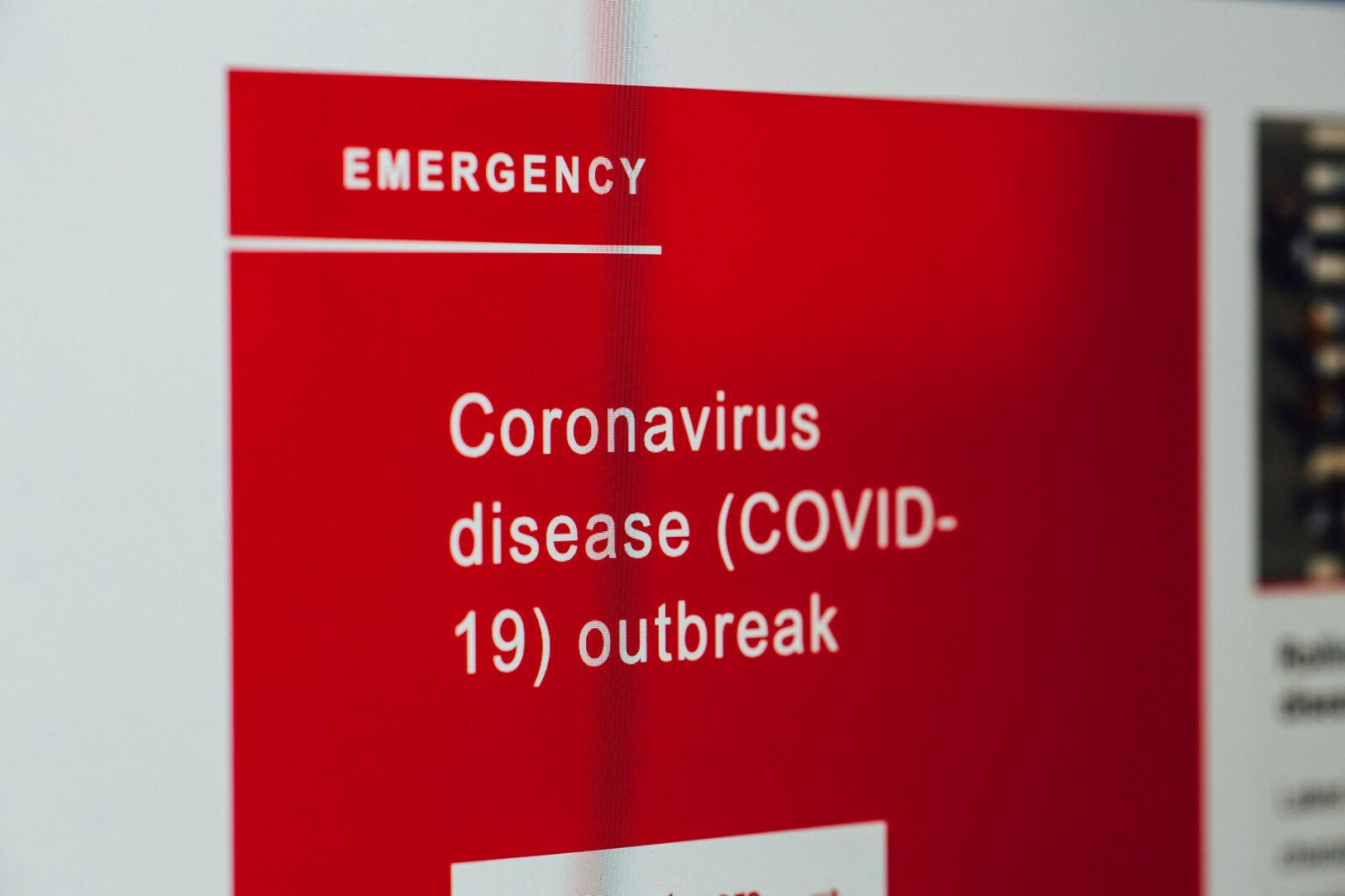
PINELLAS COUNTY — September 25, 2026
In a significant public health response, multiple counties in Florida, including Pinellas, Hillsborough, and Pasco, have declared local emergencies due to a notable increase in dengue fever cases. This development underscores the urgent need for community awareness and health measures as the state grapples with this mosquito-borne illness.
The declarations were made official on September 24, 2026, following reports of rising dengue fever cases that have raised alarms among health officials. The Florida Department of Health has been monitoring the situation closely, and the recent spike in cases prompted local authorities to take immediate action to protect public health.
As of the latest reports, Pinellas County has confirmed several cases of dengue fever, prompting County Administrator Barry Burton to state, “The health and safety of our residents is our top priority. We are taking these steps to ensure that we can effectively manage and mitigate the spread of this disease.” Hillsborough and Pasco counties have echoed similar sentiments, emphasizing the need for heightened vigilance and preventive measures.
Dengue fever, transmitted primarily by the Aedes aegypti mosquito, can lead to severe flu-like symptoms and, in some cases, can escalate to more serious conditions such as dengue hemorrhagic fever. The recent uptick in cases has been attributed to a combination of factors, including increased mosquito populations and favorable breeding conditions due to recent weather patterns.
The local emergencies allow county officials to mobilize resources more effectively, including public health campaigns aimed at educating residents about prevention strategies, such as eliminating standing water and using mosquito repellent. Additionally, the declarations may facilitate the allocation of funds for mosquito control efforts and public health initiatives.
This situation is receiving heightened attention now due to the potential implications for community health and safety. With dengue fever being a significant concern in tropical and subtropical regions, the emergence of cases in Florida raises questions about the state’s preparedness and response capabilities in managing vector-borne diseases.
Locally, the declarations signal a proactive approach to safeguarding public health, but they also highlight the broader implications of climate change and urbanization on disease transmission. Nationally, the situation may prompt discussions on public health infrastructure and the need for enhanced surveillance systems to detect and respond to outbreaks swiftly.
Looking ahead, it is realistic to expect ongoing public health campaigns and possibly increased funding for mosquito control efforts in the affected counties. Health officials will likely continue to monitor the situation closely, and residents are encouraged to remain vigilant and report any suspected cases of dengue fever to local health authorities.
Source: Tampa Free Press



Jane Doe’s Statement on Rape Allegations at Cornell University Released
The public release of Jane Doe's statement regarding her rape allegations against...
 2 Mins read
California Enacts Law Banning Electric-Shock Gloves for Police
The new legislation marks a pivotal shift in California's approach to police...
2 Mins read
US Supreme Court Denies Christa Pike’s Last-Ditch Bid to Halt Execution
The US Supreme Court has denied Christa Pike's final appeal to stop...
2 Mins read
Hurricane Polo Weakens After Impacting Mexico, Brings Heavy Rain to US Southwest
Hurricane Polo has weakened after lashing Mexico and is now causing significant...
1 Mins read
Leave a comment