
Florida Counties Declare State of Emergency Amid Rising Dengue Fever Cases
MIAMI — September 25, 2026
A state of emergency has been declared in multiple counties across Florida due to a significant rise in dengue fever cases, which have reached a total of 170. This alarming development was officially announced on September 25, 2026, following a series of confirmed cases that have raised concerns about public health and safety in the region.
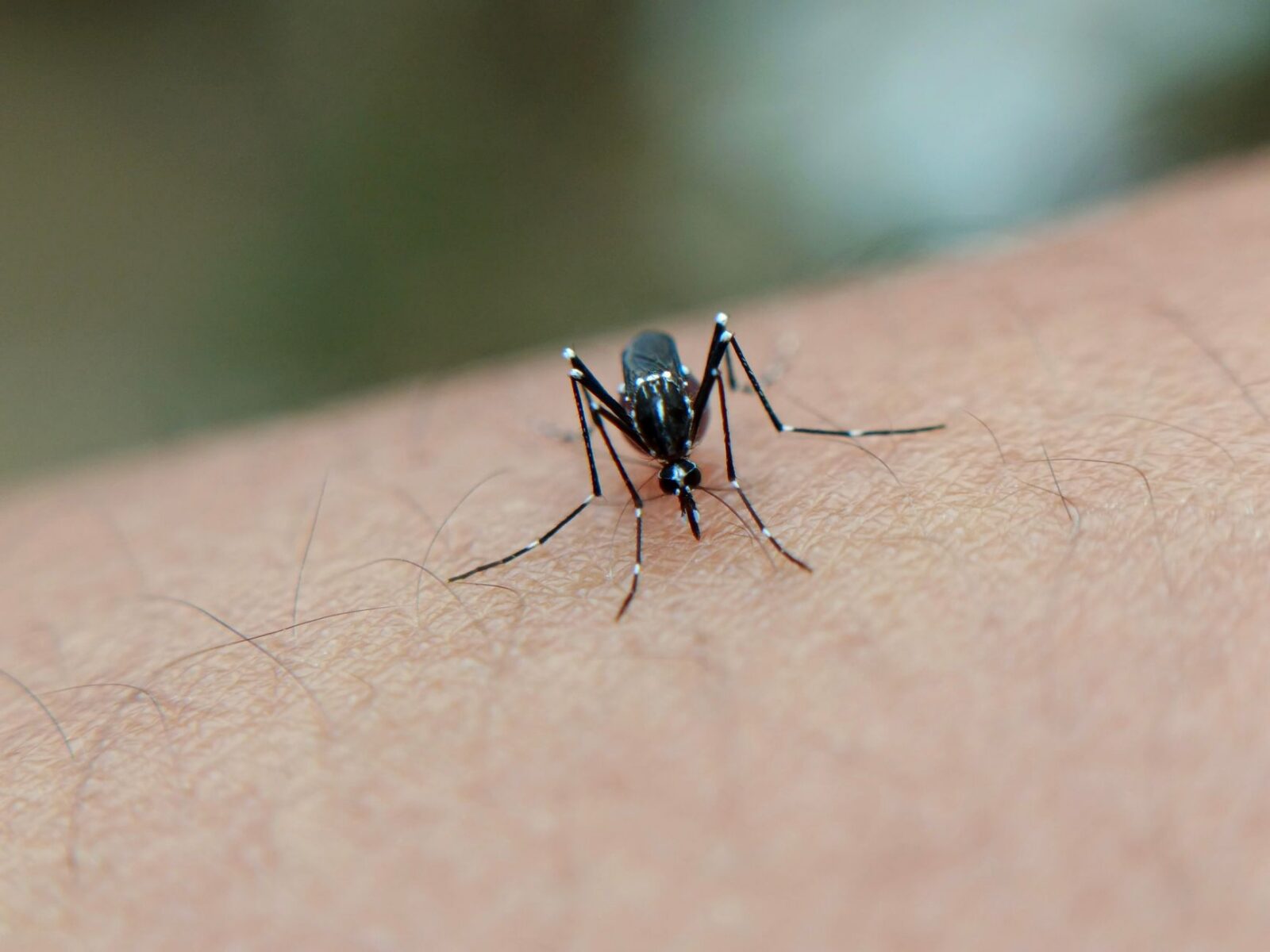
The counties affected by this emergency declaration include Miami-Dade, Broward, and Palm Beach, which are known for their warm climates that can facilitate the breeding of mosquitoes, the primary vectors for dengue fever. The Florida Department of Health has been actively monitoring the situation and has urged residents to take preventive measures against mosquito bites.
The trigger for this emergency declaration stems from a notable increase in reported dengue cases over the past few weeks. Health officials have indicated that the rise in cases may be linked to the recent rainy season, which creates ideal conditions for mosquito breeding. The Florida Department of Health has emphasized the importance of community awareness and preventive actions, such as eliminating standing water and using mosquito repellent.
As of the latest reports, the number of confirmed dengue cases has escalated rapidly, prompting local health authorities to mobilize resources for public education and vector control initiatives. The emergency declaration allows for the allocation of additional resources to combat the outbreak and to enhance public health messaging.
This situation is receiving heightened attention due to the potential health risks associated with dengue fever, which can lead to severe flu-like symptoms and, in some cases, more serious complications. The declaration of a state of emergency underscores the urgency of addressing this public health threat and protecting the community.
Locally, the implications of this outbreak are significant, as it not only affects public health but also has the potential to impact tourism and local businesses, particularly in areas heavily reliant on visitors. Nationally, the situation reflects broader concerns about vector-borne diseases and the challenges posed by climate change, which can exacerbate the spread of such illnesses.
Looking ahead, health officials are expected to implement intensified mosquito control measures and public health campaigns aimed at educating residents about prevention strategies. Additionally, ongoing surveillance will be crucial in monitoring the situation and preventing further spread. The community is urged to remain vigilant and proactive in protecting themselves against mosquito bites as health authorities work to contain the outbreak.
Source: The Hill




Hurricane Polo Weakens After Impacting Mexico, Brings Heavy Rain to US Southwest
Hurricane Polo has weakened after lashing Mexico and is now causing significant...
 1 Mins read
California Enacts Ban on Electric-Shock Gloves for Law Enforcement
The recent ban on electric-shock gloves by California lawmakers marks a significant...
2 Mins read
FDA Recalls Over 13,000 Bottles of Chlorthalidone Tablets Due to Quality Issues
The FDA has announced a recall of more than 13,000 bottles of...
2 Mins read
CDC Confirms Two Measles Deaths in 2026, Raising Public Health Concerns
The CDC's recent confirmation of two measles deaths in 2026 underscores the...
2 Mins read
Leave a comment