
Florida Faces Largest Dengue Outbreak in Decades
MIAMI — October 3, 2026
Florida is currently grappling with a significant public health crisis as the state experiences the largest outbreak of dengue fever recorded in the United States in decades. This alarming development has prompted health officials to issue urgent warnings and mobilize resources to combat the spread of the disease.
The outbreak was officially reported on October 3, 2026, with health authorities confirming a surge in dengue cases across multiple counties, particularly in areas known for their warm climate and high mosquito populations. As of the latest reports, over 1,500 cases have been documented, with several hospitalizations due to severe manifestations of the disease.
The Florida Department of Health (FDOH) is directly involved in managing the outbreak, working alongside local health departments and the Centers for Disease Control and Prevention (CDC). The FDOH has initiated vector control measures, including aerial spraying of insecticides and public education campaigns aimed at reducing mosquito breeding sites.
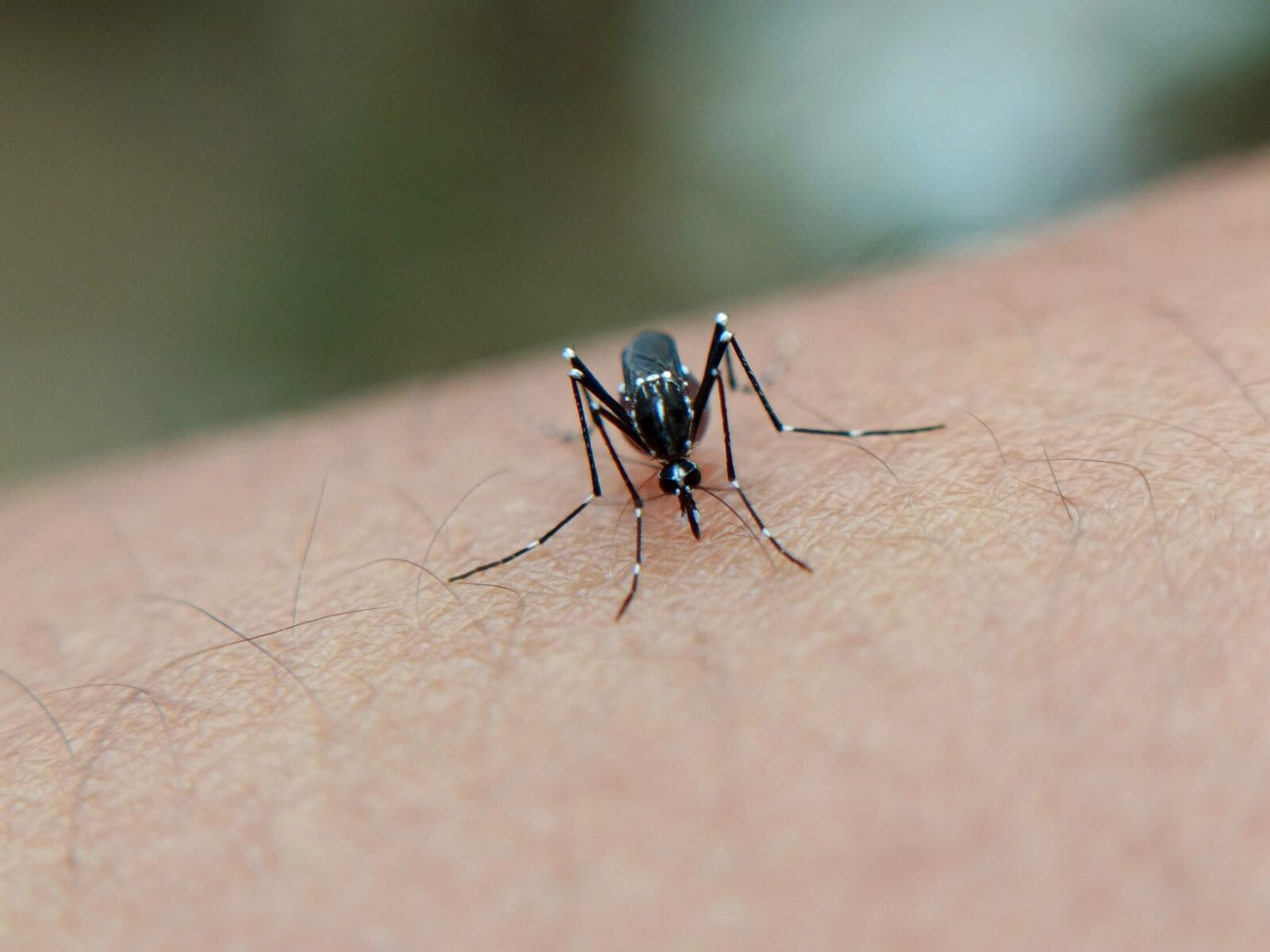
This outbreak has been triggered by a combination of factors, including an increase in mosquito populations due to favorable weather conditions and a lack of prior immunity in the population. Dengue fever, transmitted by the Aedes aegypti mosquito, can lead to severe flu-like symptoms and, in some cases, can be fatal. The last significant outbreak in the U.S. occurred in the 1940s, making this current situation particularly concerning.
The financial implications of this outbreak are substantial. Local governments may face increased costs related to public health interventions, and the tourism sector could be adversely affected as travelers may reconsider visiting Florida amid health concerns. The economic stakes are high, especially given Florida’s reliance on tourism, which contributes significantly to the state’s economy.
This story is receiving heightened attention now due to the rapid increase in reported cases and the potential for further spread, particularly as the state enters its peak mosquito season. Public health officials are urging residents to take precautions, such as using mosquito repellent and eliminating standing water around their homes.
The significance of this outbreak extends beyond Florida, as it raises questions about public health preparedness and response capabilities in the face of vector-borne diseases. Nationally, it underscores the need for increased surveillance and research into mosquito control methods, especially in light of climate change, which may exacerbate the spread of such diseases.
Looking ahead, health officials anticipate that the outbreak could continue to grow if immediate action is not taken. The FDOH is expected to hold a press conference in the coming days to provide updates on the situation and outline further measures to control the outbreak. Additionally, ongoing monitoring and research will be critical in understanding the dynamics of this outbreak and preventing future occurrences.
Source: The Hill










Massive Protests Erupt in Spain Following Rejection of Housing Bills
Public outrage surges as Spanish parliament votes down critical housing legislation, igniting...
 2 Mins read

Search Underway for Missing Medical Transport Airplane Off Massachusetts Coast
A medical transport airplane has gone missing off the coast of Massachusetts,...
2 Mins read

Two Iranian Men Charged with Plotting Terror Attack on Manchester’s Jewish Community
The recent court appearance of two Iranian men charged with plotting a...
2 Mins read



Tennessee Commissioner Frank Strada Resigns Following Failed Execution of Christa Pike
Frank Strada's resignation raises critical questions about Tennessee's execution protocols and accountability...
1 Mins read

Leave a comment