
Florida Redistricting Sparks Political Uncertainty Ahead of Elections

On August 18, 2026, the state of Florida is experiencing significant political upheaval due to a newly proposed redistricting plan that could drastically alter electoral landscapes ahead of the upcoming elections. The redistricting initiative, prompted by recent population shifts and demographic changes, has drawn sharp criticism and concern from both major political parties, particularly as they prepare for a competitive electoral cycle.
The Florida State Legislature, led by Republican lawmakers, is at the center of this initiative, which could have lasting implications on representation across the state. The plan aims to redraw congressional and state legislative districts, potentially favoring Republican candidates in traditionally competitive areas. This initiative follows a contentious history of redistricting battles in the state, where both parties have sought to leverage boundary lines to their advantage.
The timing of this redistricting effort is critical as it coincides with national discussions on electoral fairness and representation. With the elections approaching in November, local and national political analysts are closely watching how these changes will affect voter turnout and party dynamics, especially in swing districts. The implications extend beyond Florida, as they could set precedents for redistricting debates in other states.
Looking ahead, the Florida Legislature is expected to finalize the redistricting maps by the end of this month, with potential legal challenges anticipated from opposition groups claiming the changes are partisan and unfair. As the situation develops, stakeholders from both parties will likely mobilize to influence voter sentiment and the outcome of the elections, making this a pivotal moment in Florida’s political landscape.
Source: Cecil Daily







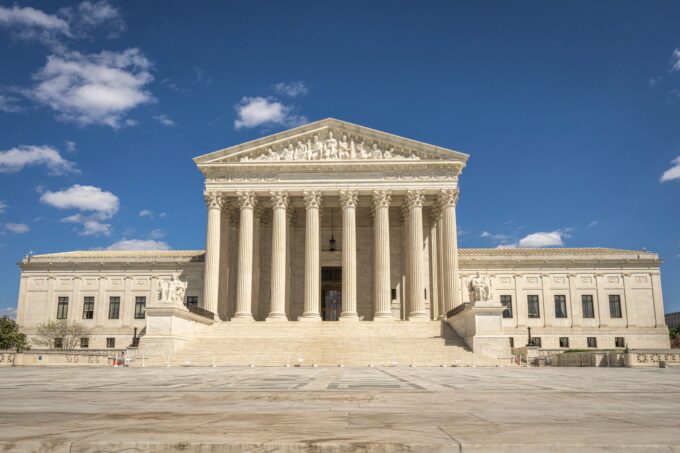
Supreme Court Issues Strong Warning to Airlines Over Airfare Violations
The Supreme Court's warning to airlines underscores growing concerns over consumer rights...
 1 Mins read

Lawsuit Challenges Republican State Senate Candidate’s Eligibility in Wisconsin
A lawsuit filed today questions the eligibility of a Republican candidate for...
1 Mins read
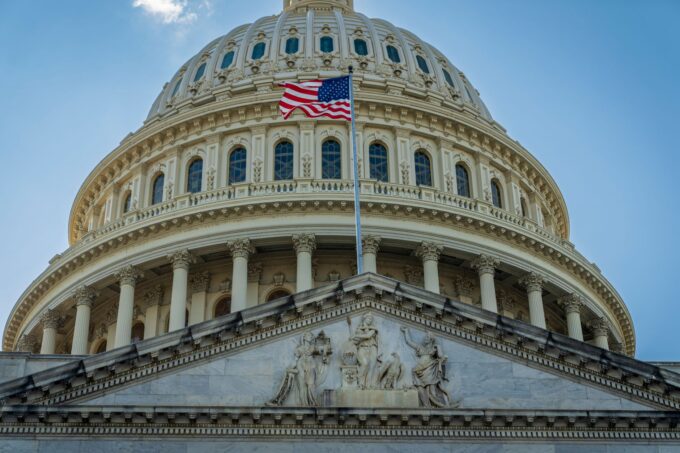
Senator Warnock Inspects ICE Detention Center, Demands Accountability for Medical Care Deficiencies
Senator Warnock's visit underscores urgent concerns over healthcare in detention facilities amid...
1 Mins read



Punjab Congress Critiques AAP Government Over Controversial Finance Order
Punjab's political landscape shifts as Congress attacks AAP's recent financial directive, raising...
1 Mins read
Leave a comment