
Florida Reports First Recorded Death from Dengue Fever Amid Outbreak

MIAMI — September 20, 2026
The state of Florida has confirmed its first recorded death from dengue fever, a development that underscores the severity of the ongoing outbreak affecting the region. This tragic event, reported on September 19, 2026, marks a critical moment in Florida’s public health landscape, as health officials grapple with the worst mosquito-borne outbreak in decades.
The individual who succumbed to the disease was a resident of southern Florida, although specific details regarding their identity have not been disclosed by health authorities. The Florida Department of Health has been actively monitoring the situation, which has seen a significant uptick in dengue fever cases attributed to the proliferation of Aedes mosquitoes, the primary vectors for the virus.
This outbreak has been triggered by a combination of factors, including unusually high rainfall and warm temperatures, which create ideal breeding conditions for mosquitoes. The Florida Department of Health reported that as of mid-September, there have been over 300 confirmed cases of dengue fever statewide, a stark increase compared to previous years.
Health officials are urging residents to take preventive measures, such as eliminating standing water and using mosquito repellent, to mitigate the risk of further infections. The Centers for Disease Control and Prevention (CDC) has also issued guidance on how to protect oneself from mosquito bites, emphasizing the importance of community engagement in controlling the outbreak.
This development is receiving heightened attention due to the implications it holds for public safety and health policy in Florida. The state has historically been a popular destination for tourists, and the presence of a mosquito-borne illness poses a significant risk not only to residents but also to visitors. The potential for further spread of the disease could have economic repercussions, particularly in the tourism sector.
Locally, the death from dengue fever has prompted discussions among public health officials regarding the need for enhanced mosquito control measures and public awareness campaigns. Nationally, it raises questions about the preparedness of states to handle outbreaks of mosquito-borne diseases, especially in the context of climate change, which is expected to exacerbate such public health challenges.
Looking ahead, health officials are likely to intensify their efforts in vector control and public education. There may also be calls for increased funding for public health initiatives aimed at preventing further outbreaks. As the situation develops, the Florida Department of Health will continue to provide updates and guidance to the public, emphasizing the importance of vigilance in the face of this emerging health crisis.
Source: The Sunday Guardian








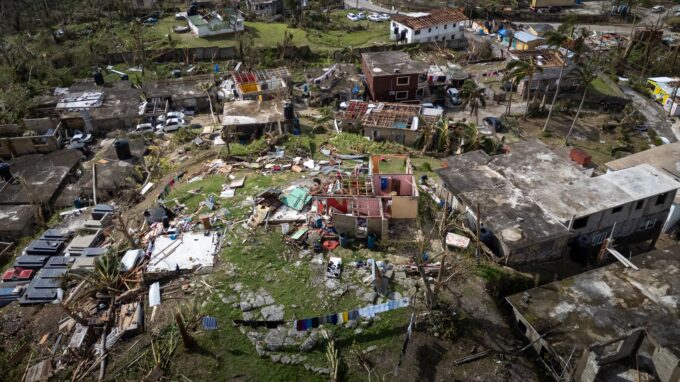
Tropical Storm Fay Forms in the Eastern Atlantic, Threatening Public Safety
Tropical Storm Fay has formed in the eastern Atlantic, raising concerns about...
 1 Mins read
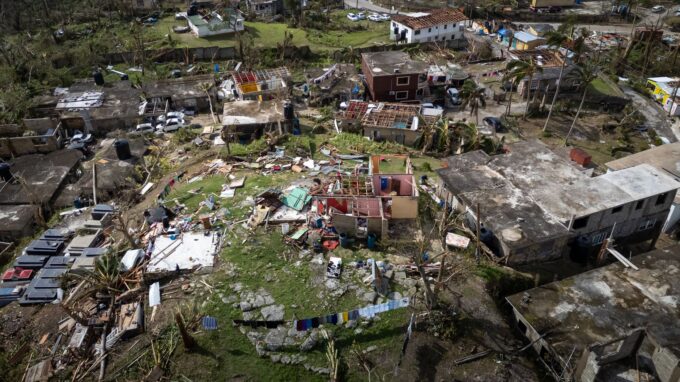
Tropical Storm Fay Forms in the Atlantic, Threatening Coastal Areas
Tropical Storm Fay has officially formed in the Atlantic, raising concerns for...
1 Mins read

U.S. Government Issues Travel Advisory for Middle East Amid Rising Tensions
The U.S. government has urged Americans to reconsider travel to the Middle...
2 Mins read



Measles Outbreak Linked to Missouri Train Ride Exposes 250 Individuals in Kansas City Area
A recent measles outbreak traced to a train ride in Missouri has...
1 Mins read

Leave a comment