
Florida’s Dengue Outbreak Confirmed as Largest in Decades
MIAMI — October 2, 2026
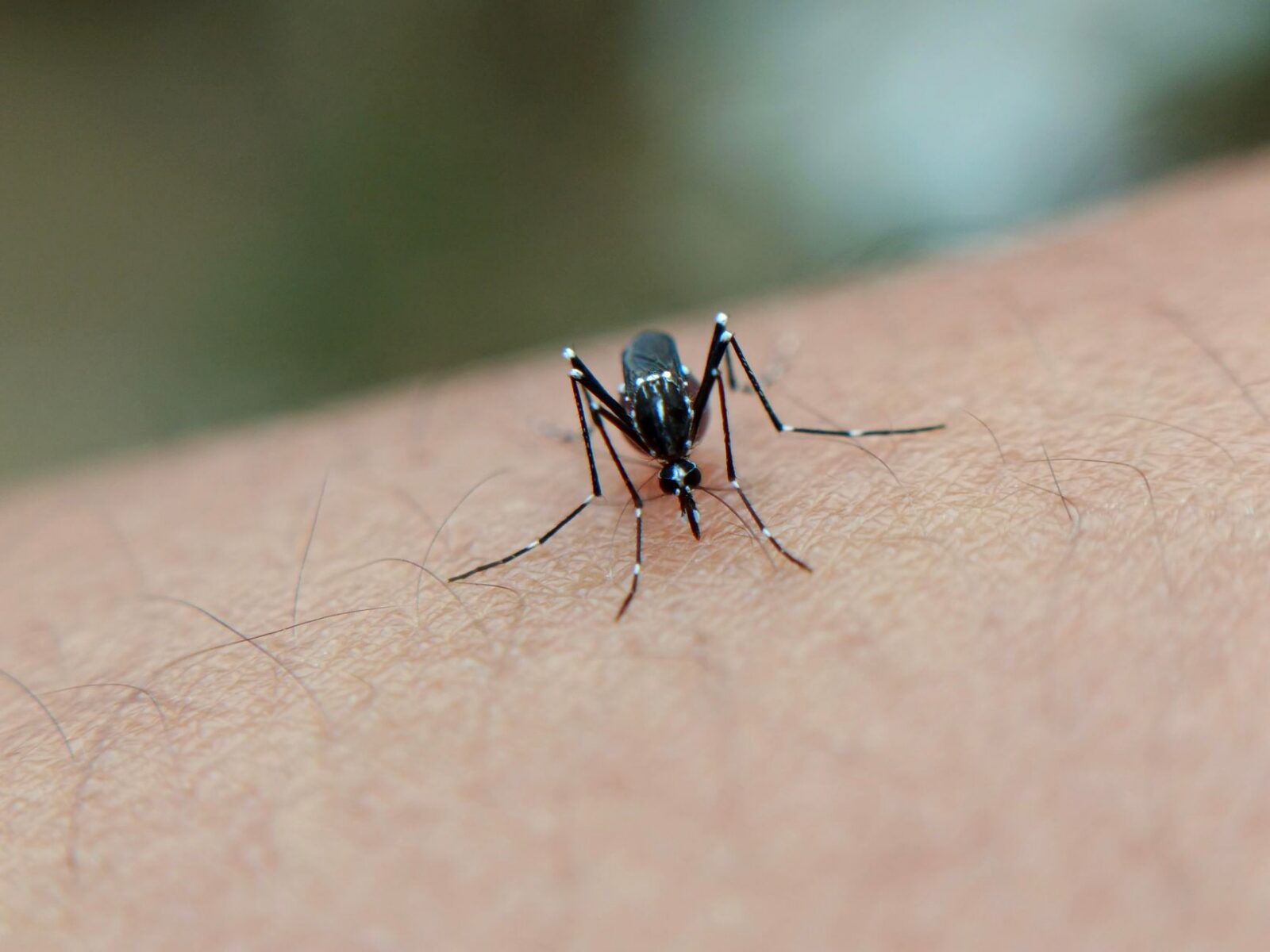
Florida is currently grappling with a dengue outbreak that has been confirmed as the largest in the continental United States in decades. This alarming development was reported by the Orlando Sentinel on October 2, 2026, highlighting a significant public health crisis that demands immediate attention from health officials and the community.
The outbreak has raised concerns among health authorities, as dengue fever, a mosquito-borne viral infection, poses serious health risks, including severe flu-like symptoms and, in some cases, life-threatening complications. The Florida Department of Health has been actively monitoring the situation, but the scale of this outbreak has surpassed previous records, indicating a troubling trend in vector-borne diseases within the state.
As of the latest reports, the outbreak has affected numerous counties across Florida, with the highest concentrations noted in urban areas where mosquito populations thrive. The Florida Department of Health has not yet released specific numbers regarding the total cases, but the designation of this outbreak as the largest in decades underscores the urgency of the situation.
This surge in dengue cases can be attributed to a combination of factors, including climatic conditions that favor mosquito breeding, increased travel, and possibly a lack of public awareness regarding preventive measures. Health officials have emphasized the importance of community engagement in controlling mosquito populations and preventing the spread of the virus.
The outbreak is receiving heightened attention now due to its unprecedented scale and the potential implications for public health policy and resource allocation. Local health departments are mobilizing to implement vector control measures, educate the public on prevention strategies, and enhance surveillance efforts to monitor the spread of the disease.
On a broader scale, this outbreak matters not only for Florida but also for national public health discussions surrounding vector-borne diseases. As climate change continues to alter ecosystems, the potential for similar outbreaks in other regions of the United States becomes increasingly plausible, raising questions about preparedness and response strategies.
Looking ahead, health officials are likely to intensify their efforts in public education campaigns, urging residents to eliminate standing water and use mosquito repellents. Additionally, there may be calls for increased funding for research into vaccines and treatments for dengue fever, as well as enhanced public health infrastructure to better respond to such outbreaks in the future.
Source: Orlando Sentinel








American Cancer Society Launches New Awareness Campaign Amid Recent Public Figure Diagnosis
The American Cancer Society has initiated a new campaign to raise awareness...
 2 Mins read

King Charles III Acknowledges Colonial Legacy During Caribbean Tour
The acknowledgment of Britain's colonial past marks a pivotal moment in the...
2 Mins read

France’s Bond Crisis Deepens Amid Protests
The ongoing bond crisis in France escalated on October 2, 2026, coinciding...
2 Mins read



New Lawsuit Filed Against Sean ‘Diddy’ Combs Alleging Sexual Assault of Child Actor
The recent lawsuit against Sean 'Diddy' Combs raises serious allegations of sexual...
2 Mins read

Leave a comment