
Former Congress MP Sajjan Kumar, Convicted in Anti-Sikh Riots, Passes Away
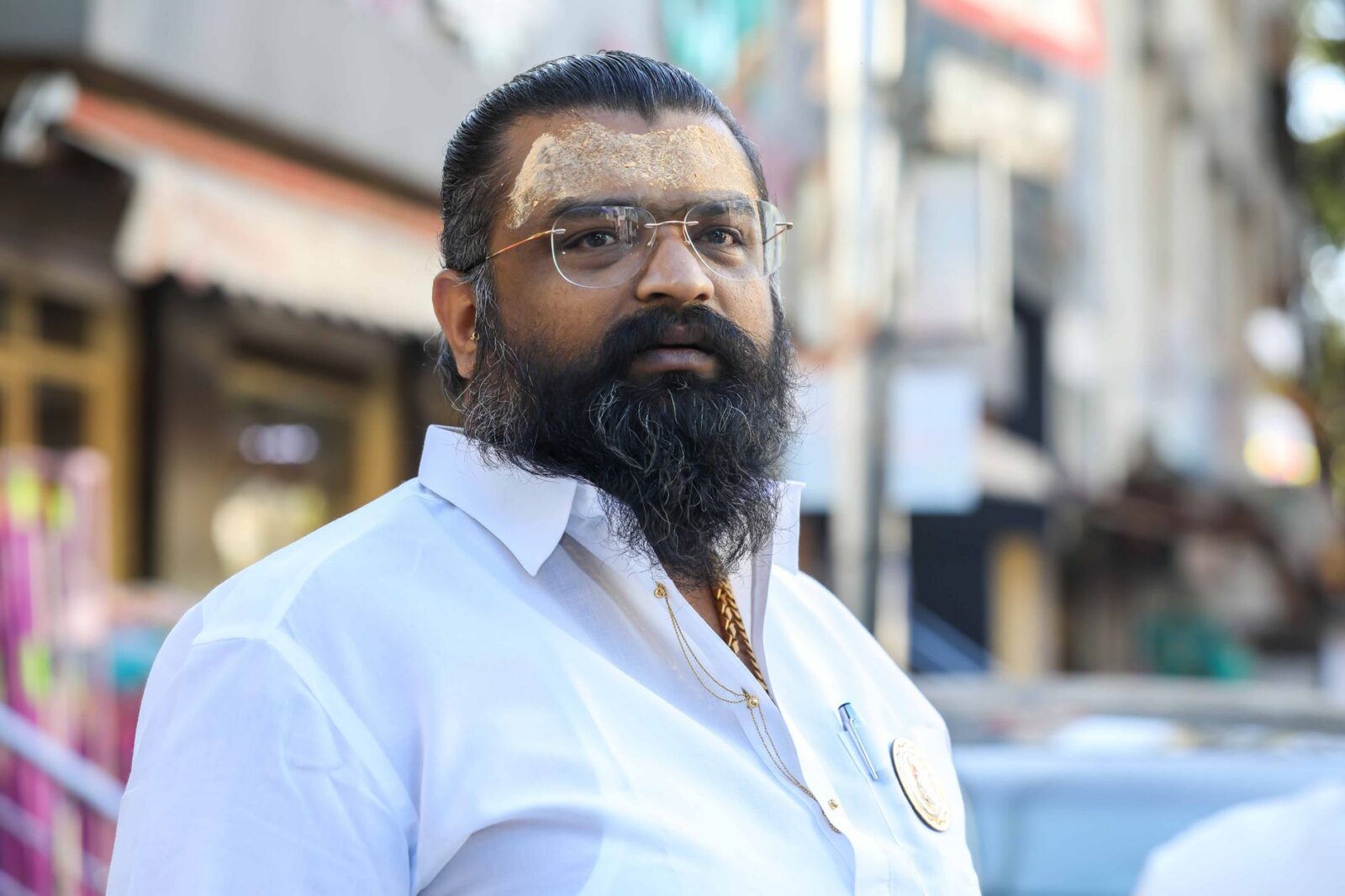
On August 20, 2026, former Congress Member of Parliament Sajjan Kumar passed away, drawing renewed attention to his controversial legacy linked to the 1984 anti-Sikh riots. Kumar, who was convicted in two separate cases for his involvement in the riots that led to the deaths of thousands of Sikhs, died aged 76 at a hospital in Delhi. His passing comes amid ongoing debates about justice for the victims of the riots, which remain a painful chapter in India’s history.
Kumar’s conviction in 2019 and subsequent appeals had been a focal point for activists seeking accountability for the violence. The riots, which erupted following the assassination of then-Prime Minister Indira Gandhi, resulted in widespread violence against the Sikh community, with estimates of the death toll ranging from 2,800 to over 3,000 in Delhi alone. His death now raises questions about the future of ongoing legal proceedings and the broader issue of justice for riot victims.
The spotlight on Kumar’s demise is particularly significant as it coincides with a growing movement for historical reckoning in India. Activists argue that the systemic impunity surrounding the riots has long hindered justice efforts, and Kumar’s passing could either signify the end of a chapter or prompt renewed calls for accountability from the Indian government. The political ramifications are extensive, potentially influencing voter sentiment and party alignments as the country approaches upcoming elections.
In the wake of Kumar’s death, legal experts and human rights advocates may push for a re-examination of the cases linked to the riots. This could involve calls for further investigations into the roles of other political figures and institutions involved in the violence. The next steps will depend on public sentiment and political will, as activists continue to advocate for justice for the victims of the 1984 riots.
Source: NDTV Profit








Trump Asserts US Dominance in AI During Crypto Forum
Former President Trump emphasizes America's leadership in AI, a critical topic for...
 1 Mins read

Gallego Raises Alarm Over Potential Delays in CLARITY Act Vote
Urgent concerns emerge as the CLARITY Act faces a hasty vote, risking...
1 Mins read
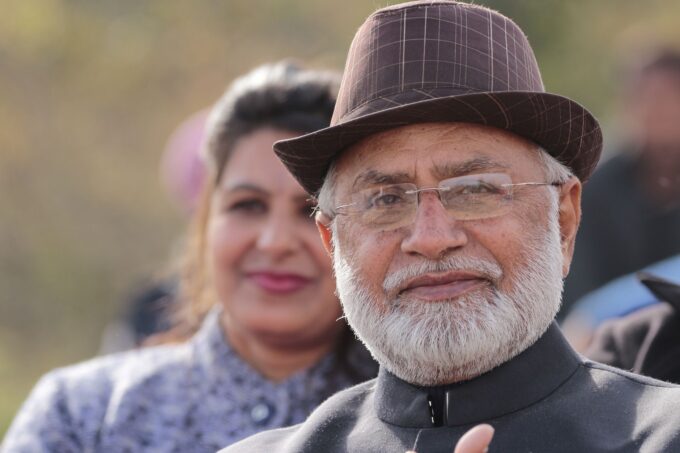
Giriraj Singh Accuses Congress of Disrespecting Vande Mataram, Labels Party as ‘Muslim League’
This accusation highlights ongoing tensions in Indian politics regarding nationalism and religious...
1 Mins read
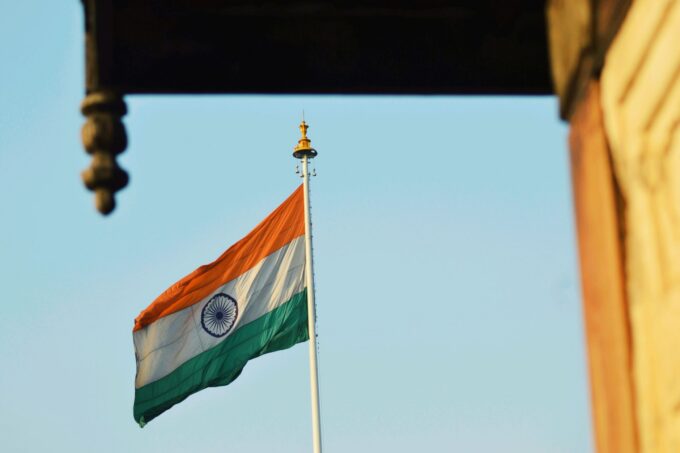


Vande Mataram Controversy Intensifies as BJP Chief Labels Congress a ‘New Muslim League’
The ongoing Vande Mataram controversy highlights deepening political divides in India, raising...
1 Mins read
Leave a comment