
Former GOP Congressman David Rivera Sentenced to 10 Years for Venezuela Lobbying Scheme
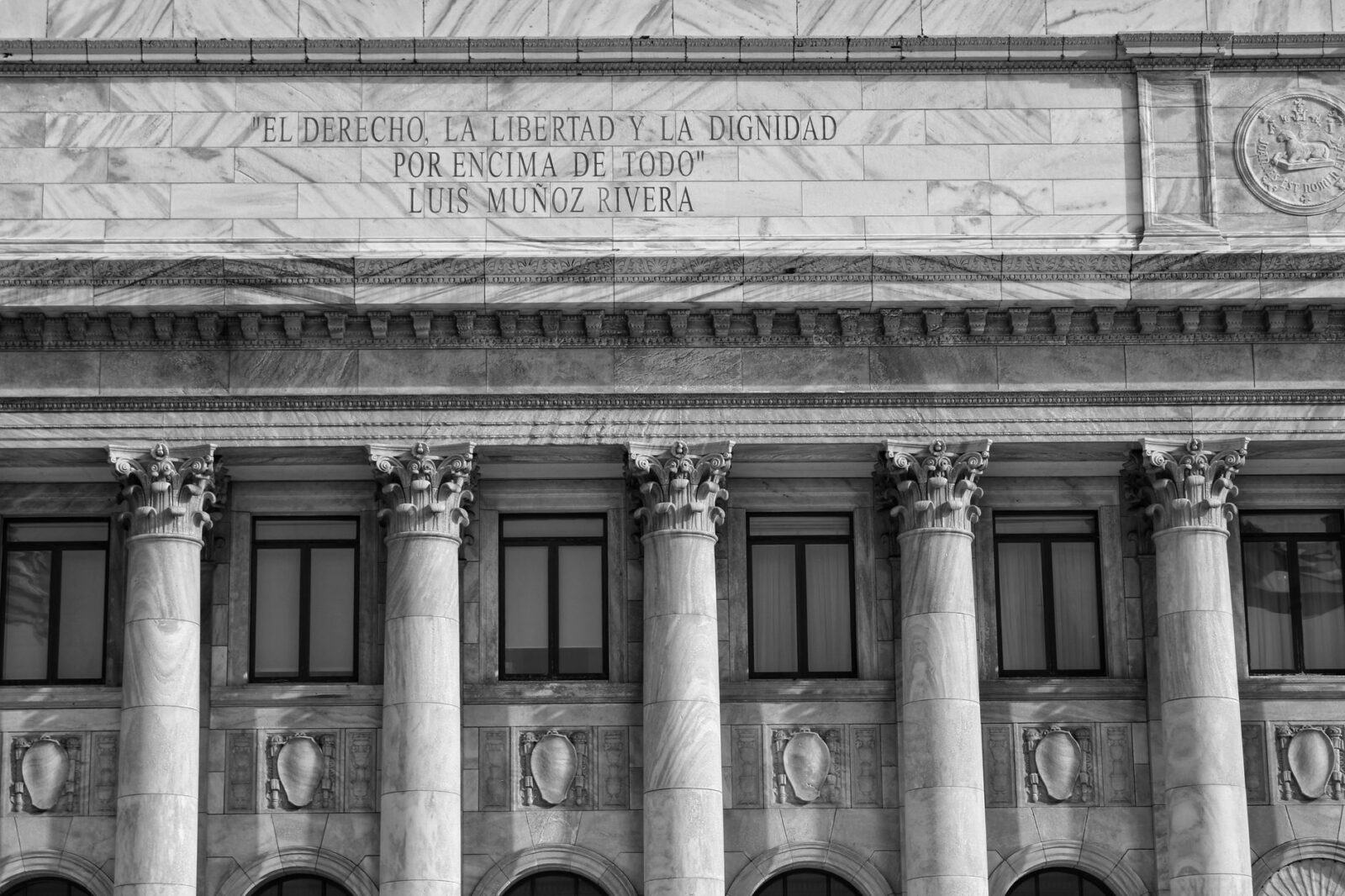
MIAMI — October 2, 2026
Former U.S. Representative David Rivera has been sentenced to ten years in prison for his role in a significant lobbying scheme involving the Venezuelan government. The sentencing, which took place on October 2, 2026, in a federal court in Miami, marks a notable development in the ongoing scrutiny of foreign lobbying practices in the United States.
Rivera, a Republican who served Florida’s 25th congressional district from 2011 to 2013, was found guilty of conspiring to lobby on behalf of the Venezuelan government without registering as a foreign agent. The scheme reportedly involved a staggering $50 million, which Rivera allegedly received for his services aimed at improving the image of the Venezuelan regime amid growing international condemnation.
The case against Rivera was triggered by investigations into foreign lobbying practices, particularly those involving countries with contentious human rights records like Venezuela. The U.S. Department of Justice has been increasingly vigilant in enforcing the Foreign Agents Registration Act (FARA), which mandates that individuals representing foreign entities in a political or quasi-political capacity disclose their relationships and financial arrangements.
During the trial, prosecutors presented evidence that Rivera had engaged in a series of covert activities designed to influence U.S. policy in favor of the Venezuelan government, which has been widely criticized for its authoritarian practices and economic mismanagement. Rivera’s defense argued that he was merely providing consulting services, but the court found that his actions constituted a clear violation of federal law.
This sentencing is receiving heightened attention due to the broader implications it has for U.S. foreign policy and the integrity of its political system. Rivera’s case underscores the risks associated with foreign influence in American politics, particularly from regimes that do not align with democratic values. It also raises questions about the effectiveness of current lobbying regulations and the enforcement mechanisms in place to prevent similar violations.
Locally, Rivera’s sentencing serves as a cautionary tale for other political figures in Florida and beyond, highlighting the potential legal repercussions of engaging in undisclosed foreign lobbying. Nationally, it reflects a growing concern over foreign interference in U.S. politics, particularly in light of recent events that have drawn attention to the vulnerabilities within the political system.
Looking ahead, this case may prompt further investigations into other individuals and entities involved in foreign lobbying, particularly those with ties to controversial governments. Additionally, it could lead to renewed calls for stricter enforcement of lobbying laws and greater transparency in political financing. As the landscape of foreign influence continues to evolve, the implications of Rivera’s sentencing will likely resonate throughout the political sphere for years to come.
Source: BBC









David Rivera Sentenced to 10 Years for Secret Lobbying Related to Venezuela
The sentencing of former Congressman David Rivera marks a significant legal development...
 2 Mins read
U.S. Issues License for Oil and Gas Exploration in Venezuela
The U.S. has authorized oil and gas exploration in Venezuela, a pivotal...
2 Mins read

Tren de Aragua Leader Captured in Venezuela Appears in Nebraska Court
The apprehension of a Tren de Aragua leader marks a significant development...
2 Mins read


A New Chapter: UNHCR Commissioner Barham Salih’s Visit to Venezuela
UNHCR Commissioner Barham Salih visits Venezuela to strengthen cooperation and address refugee...
2 Mins read

Leave a comment