
France Blocks E.U. Sanctions on Russian Oligarch Usmanov
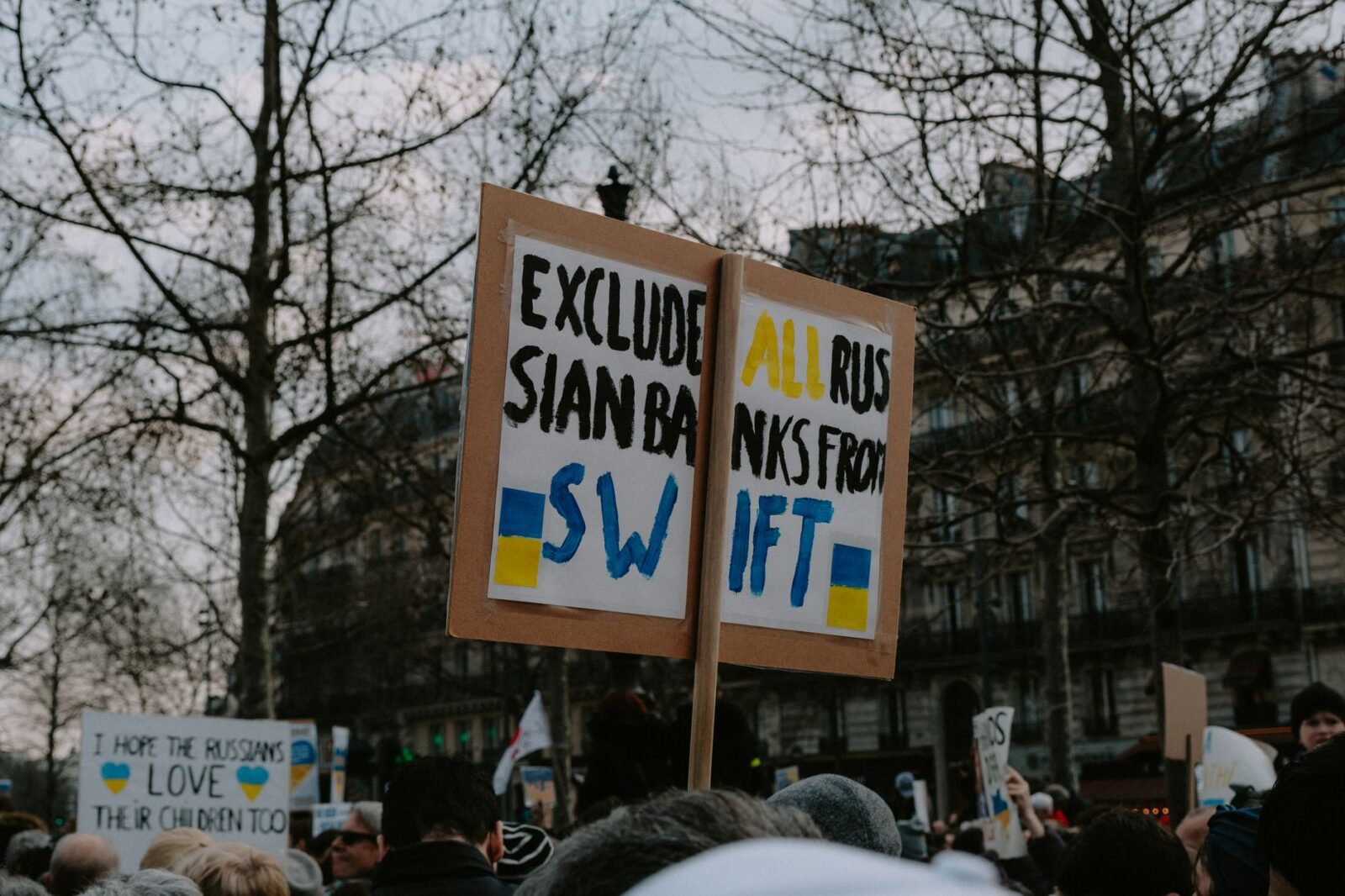
PARIS — September 22, 2026
In a notable development that has reverberated through international relations, France has officially blocked European Union sanctions aimed at Russian oligarch Alisher Usmanov. This decision, confirmed on September 22, 2026, has sparked widespread debate regarding the implications for E.U. foreign policy and its stance on Russia amid ongoing geopolitical tensions.
Alisher Usmanov, a prominent figure in the Russian business landscape, has been under scrutiny due to his close ties to the Kremlin and significant investments in various sectors, including technology and telecommunications. The sanctions proposed by the E.U. were part of a broader strategy to exert economic pressure on Russia following its aggressive actions in Ukraine and other regions. France’s intervention to block these sanctions raises questions about its commitment to collective European security and the unity of the E.U. in addressing Russian aggression.
The decision to protect Usmanov appears to be motivated by a combination of economic interests and diplomatic considerations. Usmanov’s business dealings extend into France, where he has made substantial investments, particularly in the luxury sector. This connection may have influenced the French government’s choice to prioritize economic stability and bilateral relations over punitive measures against an oligarch linked to the Russian state.
As of now, the French government has not provided a detailed explanation for its decision, leading to speculation about the underlying motivations. The E.U. sanctions were intended to target individuals and entities that have supported the Russian government, and France’s actions could be seen as undermining the collective efforts of the bloc to hold Russia accountable for its actions.
This development is receiving heightened attention due to the ongoing conflict in Ukraine and the E.U.’s struggle to maintain a unified front against Russian aggression. Analysts suggest that France’s decision could embolden other member states to reconsider their positions on sanctions, potentially fracturing the E.U.’s cohesive approach to foreign policy.
The implications of this decision extend beyond France and the E.U.; they resonate on a global scale. As nations grapple with the complexities of international relations, the ability of the E.U. to present a united front against Russia is critical for maintaining geopolitical stability. The blocking of sanctions against Usmanov may signal a shift in how European nations prioritize economic interests over political solidarity.
Looking ahead, the situation remains fluid. The E.U. may face internal pressures to reassess its sanctions strategy, particularly if other member states express similar concerns about the economic ramifications of punitive measures. Additionally, the international community will be closely monitoring France’s actions and their potential impact on future diplomatic negotiations with Russia.
In conclusion, France’s decision to block E.U. sanctions against Alisher Usmanov not only highlights the complexities of international diplomacy but also raises critical questions about the future of E.U. foreign policy and its effectiveness in addressing the challenges posed by Russia.
Source: The Washington Post









Trump Threatens to Annihilate Iran During UN General Assembly Speech
In a provocative address at the United Nations, former President Donald Trump...
 2 Mins read
Trump’s UN Speech: A Threat to Iran and Subsequent Diplomatic Talks
President Trump's recent speech at the United Nations has escalated tensions with...
2 Mins read
Trump Issues Stark Warnings Against Iran During UN Speech
In a provocative address at the United Nations, former President Donald Trump...
2 Mins read


Trump’s UN Speech: A Provocative Stance on Iran Raises Global Tensions
In a recent address to the United Nations, President Trump issued stark...
2 Mins read

Leave a comment