
Frida Kahlo: A Cultural Treasure at the Crossroads
 ABLUpdated 2 months Ago3 Mins read109

The Frida Phenomenon
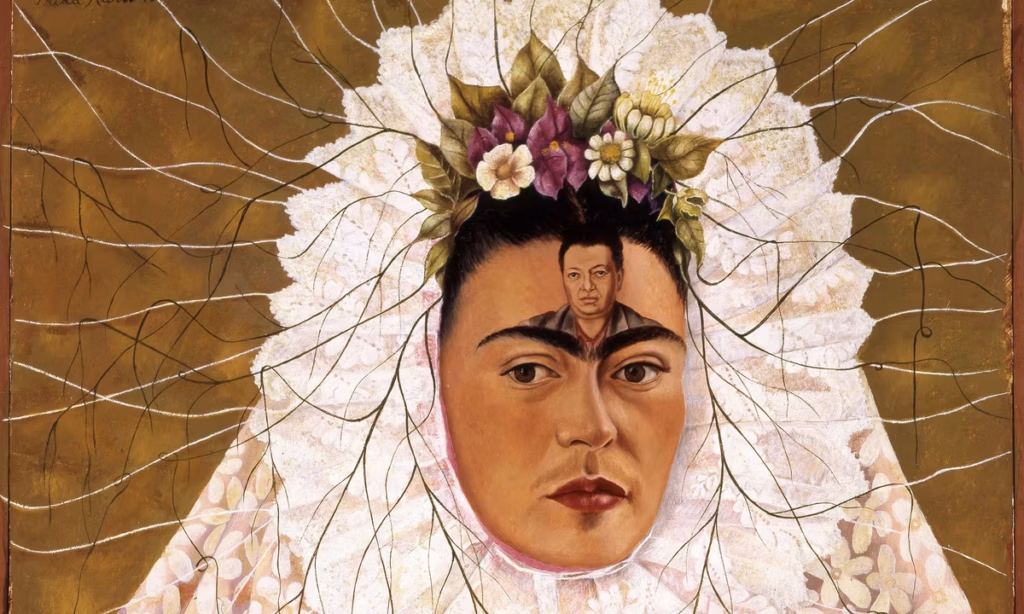
Frida Kahlo remains one of the most celebrated figures in modern art, a potent symbol of resilience and identity whose works transcend time and geography. Her paintings, replete with vivid colors and raw emotionality, capture the complexities of the human experience. As Mexico grapples with the implications of her art’s potential departure, the art world watches with bated breath.
A Complicated Legacy
Kahlo’s oeuvre is not merely a series of artworks but a deeply woven narrative of personal and cultural identity. Each piece tells a story, steeped in her life experiences, her Mexican heritage, and her political beliefs. This rich tapestry, combined with her tragic life, has cultivated an insatiable interest in her work. Collectors and museums alike vie for a chance to showcase her pieces, reinforcing her status as a cultural icon.
The Gelman Collection Dilemma
The ongoing contention surrounding the Gelman Collection underscores the delicate balance between local heritage and global interest. Currently, this collection, which includes significant works by Kahlo, is at the center of a legal struggle as it seeks to relocate to Spain. The debate is not merely about logistics; it embodies a deeper conversation regarding the ownership and export of national treasures.
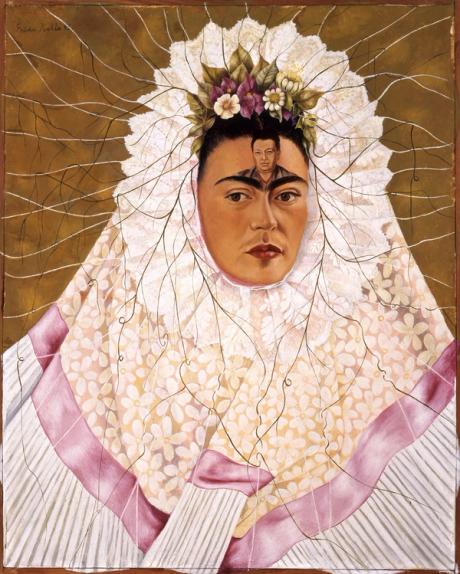
- Provenance Matters: The Gelman Collection has become a point of contention, as its potential relocation raises questions about the preservation of Mexican culture versus the accessibility of art on a global scale.
- Legal Framework: At the heart of the matter is a Mexican law prohibiting the permanent export of artworks deemed significant to the nation’s cultural heritage. The upcoming decision by the Mexican Supreme Court will determine whether this law can withstand the pressures of international art commerce.
Artistic Rarity and Market Dynamics
The intrinsic value of Kahlo’s works is driven not only by their artistic merit but also by their rarity. The limited availability of her paintings on the market enhances their desirability among collectors and investors. As the demand for Kahlo’s art continues to soar, the implications of her works leaving Mexico could significantly alter the landscape of art collecting, both locally and globally.
Collectors are often driven by the dual motivations of emotional connection and financial investment. The allure of owning a piece of Kahlo’s legacy carries with it not just aesthetic appreciation, but also the potential for appreciation in value over time. Should her works migrate permanently away from Mexico, it could create a vacuum that intensifies the competition among collectors seeking to acquire whatever remains in the country.
The Intersection of Culture and Commerce
For art lovers in Miami, a city that thrives on cultural exchanges and artistic diversity, the implications of Kahlo’s potential export resonate deeply. The vibrant art scene here has been enriched by Latin American influences, making her work even more relevant. The prospect of Frida’s art leaving its native soil evokes a sense of urgency among local collectors and institutions, who recognize that the permanence of her legacy lies within the borders of Mexico.
As discussions unfold, Miami’s galleries and art fairs serve as a microcosm for the larger conversation about art’s accessibility and its role as a cultural touchstone. The city plays a crucial role in facilitating dialogues that bridge the gap between artists, collectors, and audiences, making it imperative for Miami to engage with these issues proactively.
Conclusion: A Call for Cultural Stewardship
The fate of Frida Kahlo’s works hinges on a complex interplay of legal, cultural, and economic factors. As the Mexican Supreme Court prepares to make a significant decision, it prompts a reflection on the importance of cultural stewardship. The question remains: how do we honor the legacy of an artist who has become a symbol of hope and resilience while navigating the commercial interests that often overshadow artistic intent?
It is essential for collectors, curators, and art aficionados alike to advocate for the protection of cultural heritage while embracing the global nature of art. The outcome of this legal battle could redefine the future of Kahlo’s legacy and, by extension, the broader narrative of art as a reflection of identity and belonging.
Editorial note: This article was created by A Bit Lavish Miami’s Magazine as an original editorial reinterpretation based on publicly available reporting. Original source: theartnewspaper.com. Read the original article here: https://www.theartnewspaper.com/2026/07/10/could-mexicos-treasured-kahlo-works-leave-the-country-forever.
Images are used for editorial reference with source credit. If an image requires correction or removal, please contact A Bit Lavish.









A Renaissance Treasure: The Seated Nymph and Its Cultural Significance
Exploring the allure and significance of Antico's 'Seated Nymph,' a Renaissance masterpiece...
 2 Mins read
The Art of Posture: Body Politics Through a Contemporary Lens
Explore how contemporary artists reinterpret body language and public space in a...
3 Mins read

A Symphony of Resistance: The Arts Community Rallies Against Threats to Cultural Heritage
Explore the passionate gathering at the Kennedy Center, where over a thousand...
2 Mins read


The Art of Intuition: Jacob Lewis and the Allure of Printmaking
Discover the insights of Jacob Lewis, president of Pace Prints, as he...
2 Mins read
