
G7 Nations Announce Release of 100 Million Barrels from Strategic Oil Reserves
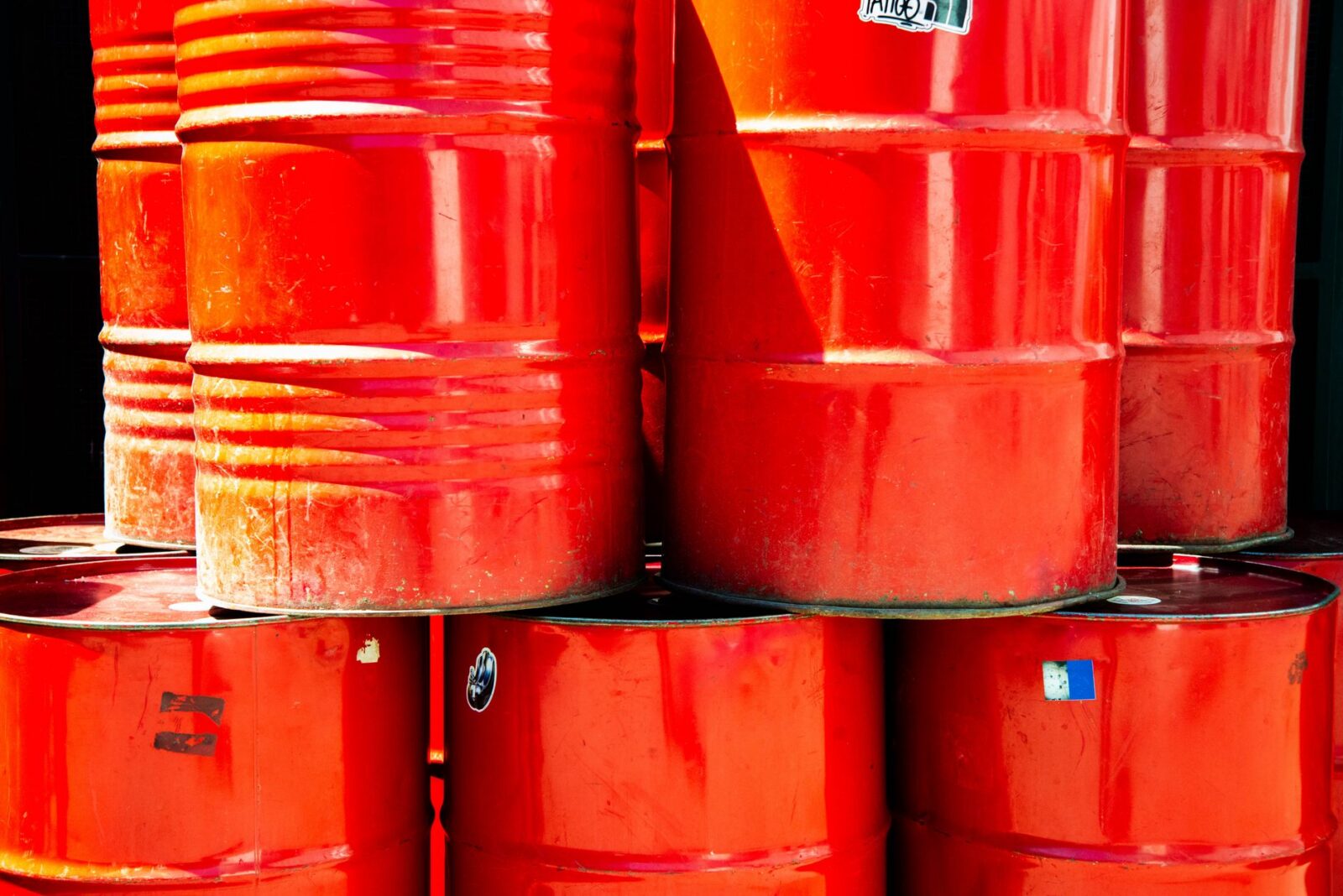
MIAMI — October 2, 2026
In a significant geopolitical and economic development, the Group of Seven (G7) nations have collectively agreed to release approximately 100 million barrels of oil from their strategic reserves. This decision, announced on October 2, 2026, is intended to address the escalating oil prices that have been affecting global markets.
The G7, which includes Canada, France, Germany, Italy, Japan, the United Kingdom, and the United States, made this announcement following a series of discussions focused on energy security and market stability. The release of these reserves is expected to provide immediate relief to consumers and businesses facing higher energy costs.
The decision comes in the wake of rising oil prices, which have surged due to a combination of factors including geopolitical tensions, supply chain disruptions, and increased demand as economies recover from the impacts of the COVID-19 pandemic. The G7’s coordinated action reflects a growing concern over the potential for energy shortages and inflationary pressures that could arise from sustained high oil prices.
While the specific mechanisms for the release of the 100 million barrels have yet to be detailed, it is anticipated that the oil will be drawn from each member country’s strategic reserves, which are maintained to ensure energy security during crises. The United States, for example, has the largest strategic petroleum reserve in the world, holding over 600 million barrels.
This development is receiving heightened attention as it underscores the G7’s commitment to stabilizing global energy markets amid ongoing volatility. Analysts suggest that the release could lead to a temporary decrease in oil prices, which have been hovering around $100 per barrel in recent weeks. The International Energy Agency (IEA) has also indicated that such measures are crucial for maintaining market balance.
Locally, the implications of this decision could be felt in Miami and across the United States, where consumers are already grappling with rising fuel prices. Nationally, the move may influence energy policies and discussions around renewable energy investments, as governments seek to balance immediate needs with long-term sustainability goals.
Looking ahead, the G7’s decision may prompt other nations, particularly oil-producing countries, to respond with their own measures to stabilize markets. Additionally, the effectiveness of this release in curbing prices will be closely monitored by market analysts and policymakers alike. Future meetings among G7 leaders may also address broader strategies for energy independence and sustainability in the face of climate change.
Source: وكالة الأنباء السورية – سانا









Trump Promises Nearly $100 Cash Giveaway to Seniors
The former president's latest initiative aims to support 20 million seniors, raising...
 1 Mins read
G7 Agrees to Release 100 Million Barrels of Diesel and Crude Oil After Trump Pressure
The G7's recent decision to release oil stocks marks a significant shift...
2 Mins read
G7 Releases Emergency Oil and Diesel Stockpiles in Response to Trump’s Export Ban Threat
The G7 nations have decided to release emergency stockpiles of oil and...
2 Mins read


Europe Releases Diesel Stocks in Response to Trump’s Export Ban Threat
The European Union has agreed to release substantial diesel stocks following a...
2 Mins read

Leave a comment