
Harvey Levin Critiques Elite Backlash Against Trump’s UFC Event at the White House
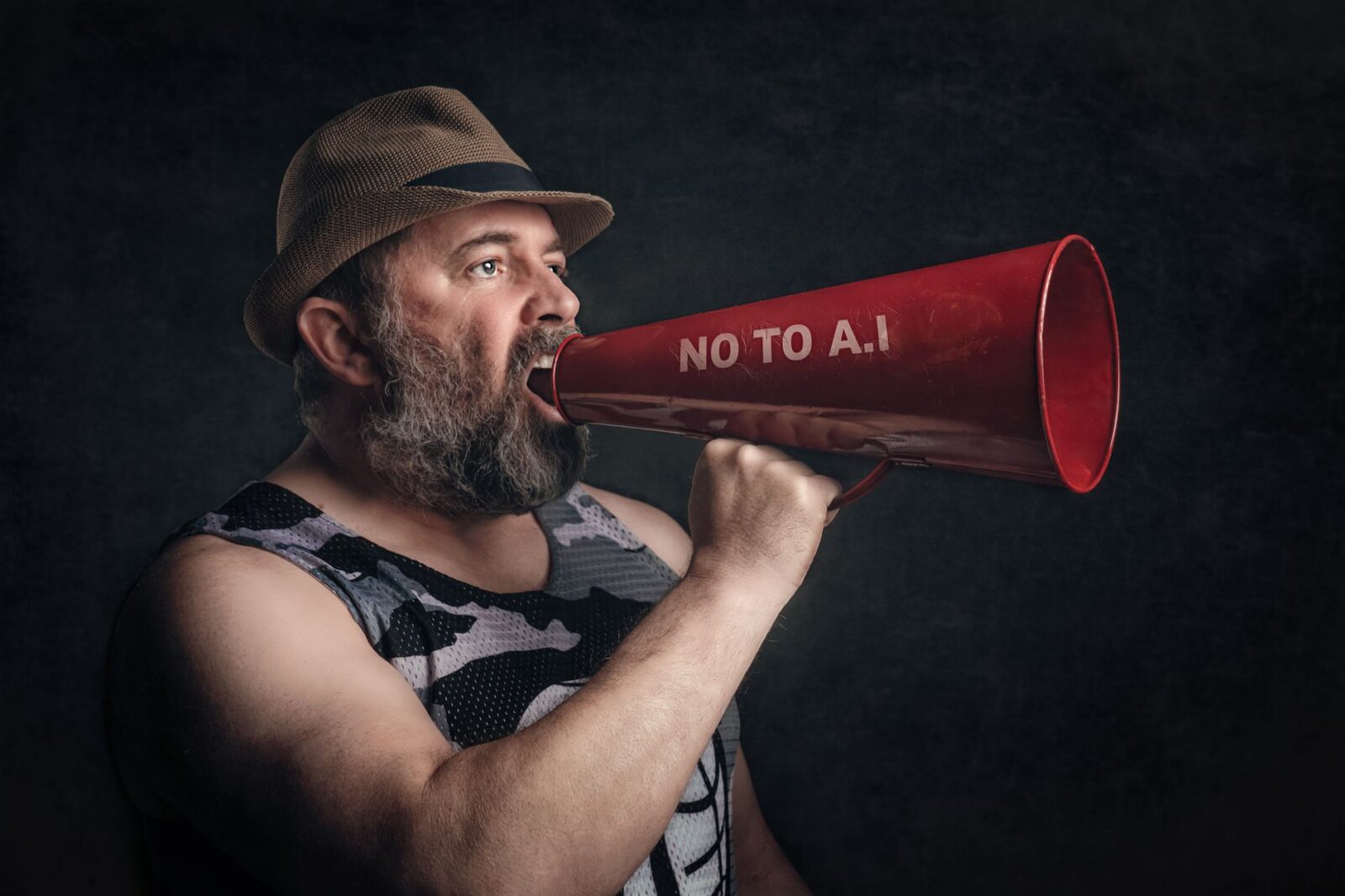
On June 16, 2026, Harvey Levin, the founder of TMZ, publicly criticized what he characterized as the elitist backlash against former President Donald Trump’s recent hosting of a UFC event at the White House. Levin’s remarks came in response to widespread condemnation from various media personalities and political commentators who expressed disdain for the event, arguing that it trivializes the sanctity of the presidential office.
Levin’s statements resonate amid a broader cultural conversation regarding the intersection of politics and entertainment. By hosting the UFC event, Trump, who remains a polarizing figure in American politics, continues to leverage his celebrity status to engage with a demographic that feels increasingly alienated by traditional political discourse. This event was not merely a sports gathering; it was a calculated move to reinforce Trump’s brand as a populist leader who champions the interests of the common man against an out-of-touch elite.
The significance of Levin’s comments extends beyond the immediate reaction to the UFC event. They underscore a critical cultural and political divide in the United States, where many feel that elite commentators are disconnected from the values and interests of the average American. As social media amplifies these sentiments, the potential for a backlash against the political elite grows, suggesting that Trump’s influence may persist as a force in American politics, shaping the narrative as the 2026 midterm elections approach.
Looking forward, this incident may foreshadow escalating tensions between populist movements and established political norms. As Trump’s supporters rally around his continued embrace of unconventional events, elite criticism may only serve to galvanize his base further. The ramifications of this divide could have significant implications for both the Republican Party and the broader political landscape in the United States.
Source: Mediaite





Pope Leo XIV Declines Meeting with SSPX, Considers Further Appeals Ahead of Consecrations
Pope Leo XIV's stance on the SSPX has significant implications for Catholic...
 1 Mins read
Pope Leo Declares Remigration Un-Christian in Recent Address
Pope Leo's statement on remigration challenges global migration policies and underscores the...
1 Mins read
Cardinal Camillo Ruini Passes Away, Leaving a Void in Global Catholic Leadership
The death of Cardinal Camillo Ruini marks a significant loss for the...
1 Mins read


Pope Leo Reiterates Nostra Aetate’s Stance Against Antisemitism
Pope Leo's reaffirmation of Nostra Aetate underscores a critical global commitment to...
1 Mins read
Leave a comment