
High School Protests Disrupt Over 730 Schools Across France
PARIS — October 3, 2026
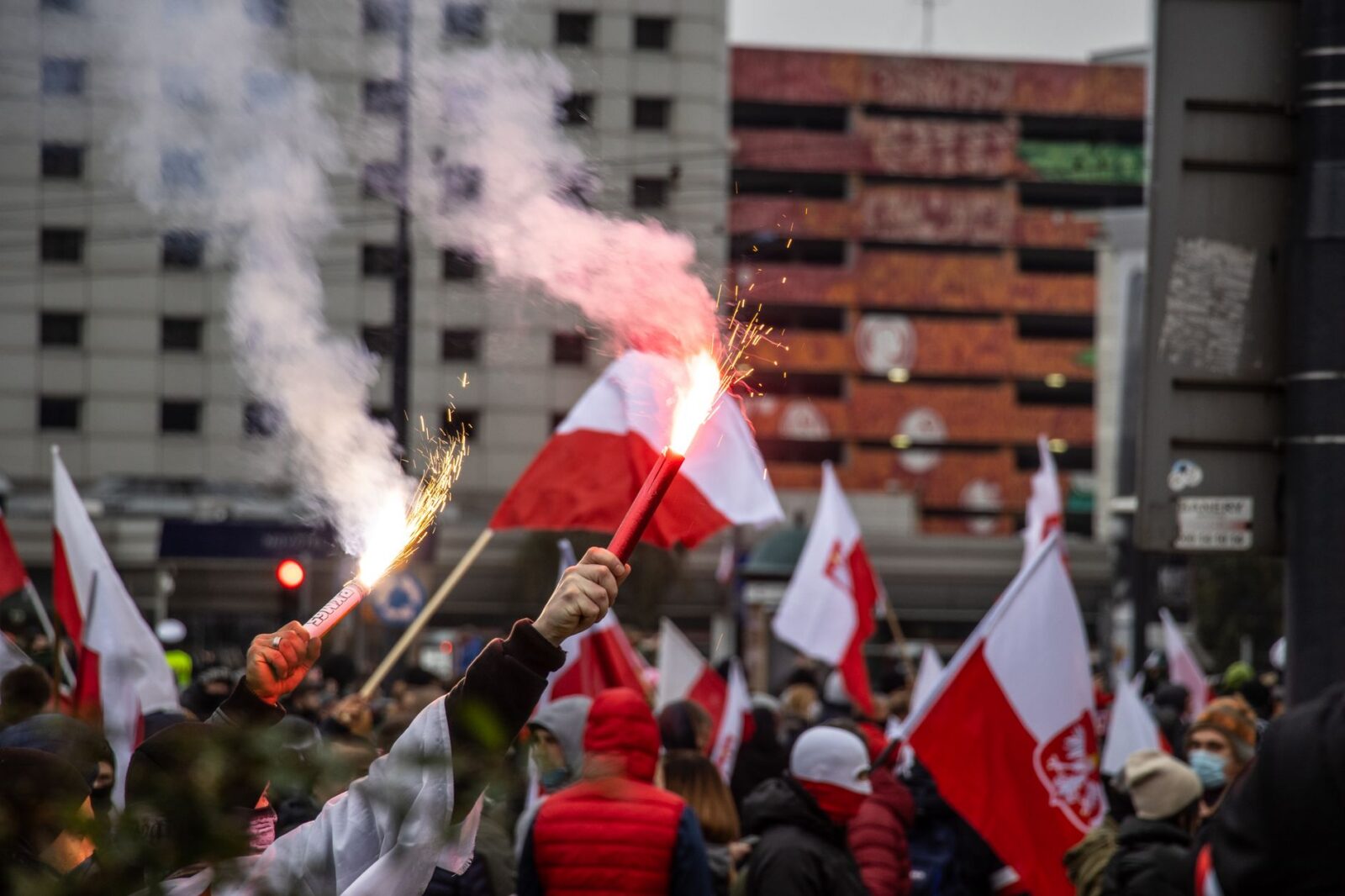
A significant wave of protests led by high school students in Paris has disrupted over 730 schools across France, marking a pivotal moment in the nation’s educational landscape. The protests, which began in response to various grievances regarding educational policies and conditions, have garnered national attention and prompted calls for further rallies.
The protests erupted on October 2, 2026, primarily in Paris but quickly spread to other cities, including Lyon, Marseille, and Toulouse. Students have expressed dissatisfaction with issues such as overcrowded classrooms, insufficient resources, and a perceived lack of support from the government regarding educational reforms. The movement has been characterized by organized demonstrations, sit-ins, and walkouts, showcasing the students’ determination to voice their concerns.
Key figures involved in the protests include student leaders from various high schools, who have taken to social media to mobilize their peers and articulate their demands. The French Ministry of Education, led by Minister Jean-Michel Blanquer, has acknowledged the protests but has yet to provide a comprehensive response to the students’ demands. The ministry’s spokesperson stated, “We are aware of the students’ concerns and are committed to addressing the challenges within our educational system.” However, many students feel that the government’s response has been inadequate.
The immediate trigger for this national movement appears to be a combination of recent policy changes and ongoing frustrations regarding the quality of education. Students have highlighted the impact of budget cuts and the increasing pressure of standardized testing as contributing factors to their unrest. The protests have been fueled by a growing sentiment among the youth that their voices are not being heard in the decision-making processes that affect their education.
This situation is receiving heightened attention now due to the scale of the protests and the potential implications for public safety and educational policy in France. The disruption of over 730 schools indicates a widespread discontent that could lead to further unrest if not addressed. Educational institutions are critical to the social fabric of the nation, and any prolonged disruption could have lasting effects on students’ academic progress and mental well-being.
Locally, the protests could prompt school administrations to reconsider their approaches to student engagement and resource allocation. Nationally, they may force the government to reevaluate its educational policies and funding priorities. Regionally, this movement could inspire similar actions in neighboring countries facing educational challenges.
Looking ahead, the next steps will likely involve further rallies and potential negotiations between student representatives and government officials. The Ministry of Education may be compelled to hold discussions to address the students’ concerns more substantively. If the protests continue to escalate, there could be significant implications for the upcoming legislative sessions, particularly regarding education reform initiatives.
As the situation develops, it will be crucial to monitor the responses from both the students and the government, as well as the broader societal implications of this burgeoning movement.
Source: The New Indian Express










Attempted Terrorist Attack on Flydubai Flight by Co-Pilot Raises Aviation Security Concerns
A co-pilot on a Flydubai flight attempted to attack the captain with...
 2 Mins read
High School Protests in Paris Escalate into National Movement Amid Violence and Arrests
Recent high school protests in Paris have transformed into a national movement,...
2 Mins read

Flydubai Co-Pilot Attacks Captain in Cockpit, Raising Security Concerns
A Flydubai co-pilot attacked the captain with an axe, highlighting critical issues...
2 Mins read



Clarence Thomas Faces Supreme Court’s Pivotal Climate Case
The Supreme Court is set to hear a significant climate case involving...
2 Mins read

Leave a comment