
Hōlei Sea Arch Collapses into Pacific Ocean Amid Tropical Storm Nolo
HILO, HAWAII — October 3, 2026
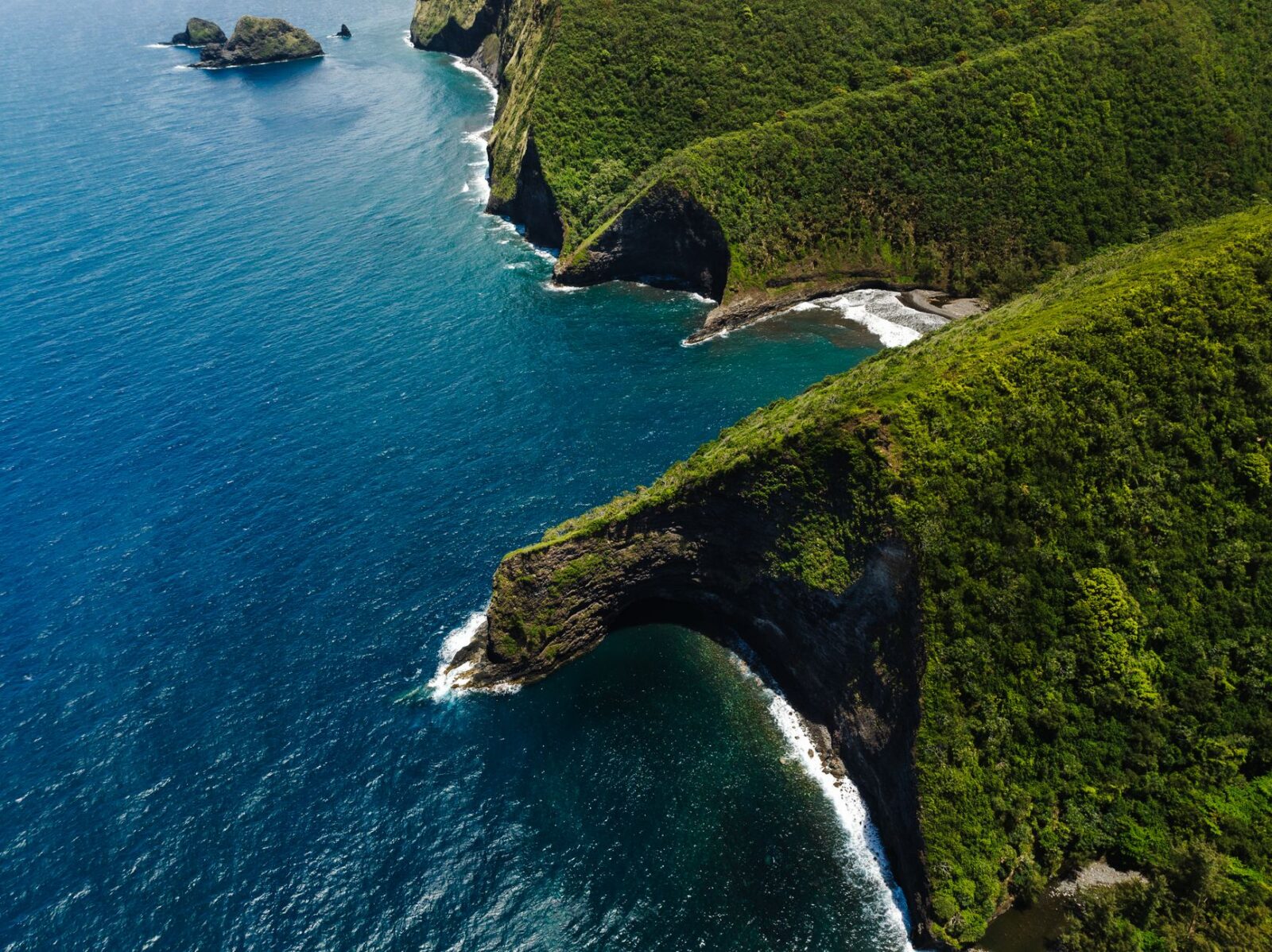
The Hōlei Sea Arch, a natural landmark located in Hawaii Volcanoes National Park, has collapsed into the Pacific Ocean due to the severe weather conditions brought on by Tropical Storm Nolo. This event, which occurred on October 3, 2026, highlights pressing environmental and public safety issues in the region.
The Hōlei Sea Arch was a popular tourist attraction, known for its stunning views and geological significance. Its collapse marks a significant loss not only for the park’s natural beauty but also raises concerns about the stability of coastal structures in the face of increasingly severe weather patterns attributed to climate change.
The direct trigger for the collapse was the impact of Tropical Storm Nolo, which brought heavy rains and strong winds to the Hawaiian Islands. The storm’s effects were felt across the state, but the Hōlei Sea Arch’s vulnerability to such weather conditions has now been starkly illustrated. The National Park Service (NPS) has not yet released detailed assessments of the damage or the potential for further erosion in the area.
Officials from the NPS have stated that they are currently evaluating the site for safety and environmental impact. “We are deeply saddened by the loss of the Hōlei Sea Arch, a natural wonder that has captivated visitors for generations. Our priority is to ensure the safety of our visitors and to assess the ecological implications of this event,” said a spokesperson for the NPS.
This incident is receiving heightened attention as it underscores the broader implications of climate change on natural landmarks and public safety. The collapse of the arch serves as a reminder of the fragility of coastal ecosystems and the urgent need for comprehensive environmental policies that address climate resilience.
Locally, the loss of the Hōlei Sea Arch could impact tourism, a vital component of Hawaii’s economy. Nationally, it raises awareness about the effects of climate change on natural landscapes, prompting discussions about conservation efforts and infrastructure resilience in vulnerable areas.
Looking ahead, the NPS is expected to conduct a thorough investigation into the collapse and its implications. This may lead to new policies regarding the management of coastal areas, particularly in light of increasing storm activity. Additionally, the event may catalyze further research into the impacts of climate change on geological formations and ecosystems, potentially influencing future conservation strategies.
Source: NewsCord




Florida Faces Largest Dengue Outbreak in Decades with Over 250 Infections
Florida's dengue outbreak has reached over 250 local infections as of October...
 2 Mins read
Pennsylvania Approaches 1,000 Measles Cases Amid Public Health Concerns
The rise in measles cases in Pennsylvania has reached alarming levels, nearing...
2 Mins read
Debris Field Discovered in Search for Missing Medical Flight from Bermuda
The discovery of a debris field marks a significant development in the...
1 Mins read
Australia Investigates FlyDubai Co-Pilot for Potential Terrorism Links
The investigation into a FlyDubai co-pilot's alleged connections to terrorism raises significant...
2 Mins read
Leave a comment