
Iran Launches Missile Strikes on Israel Amid Escalating Regional Tensions
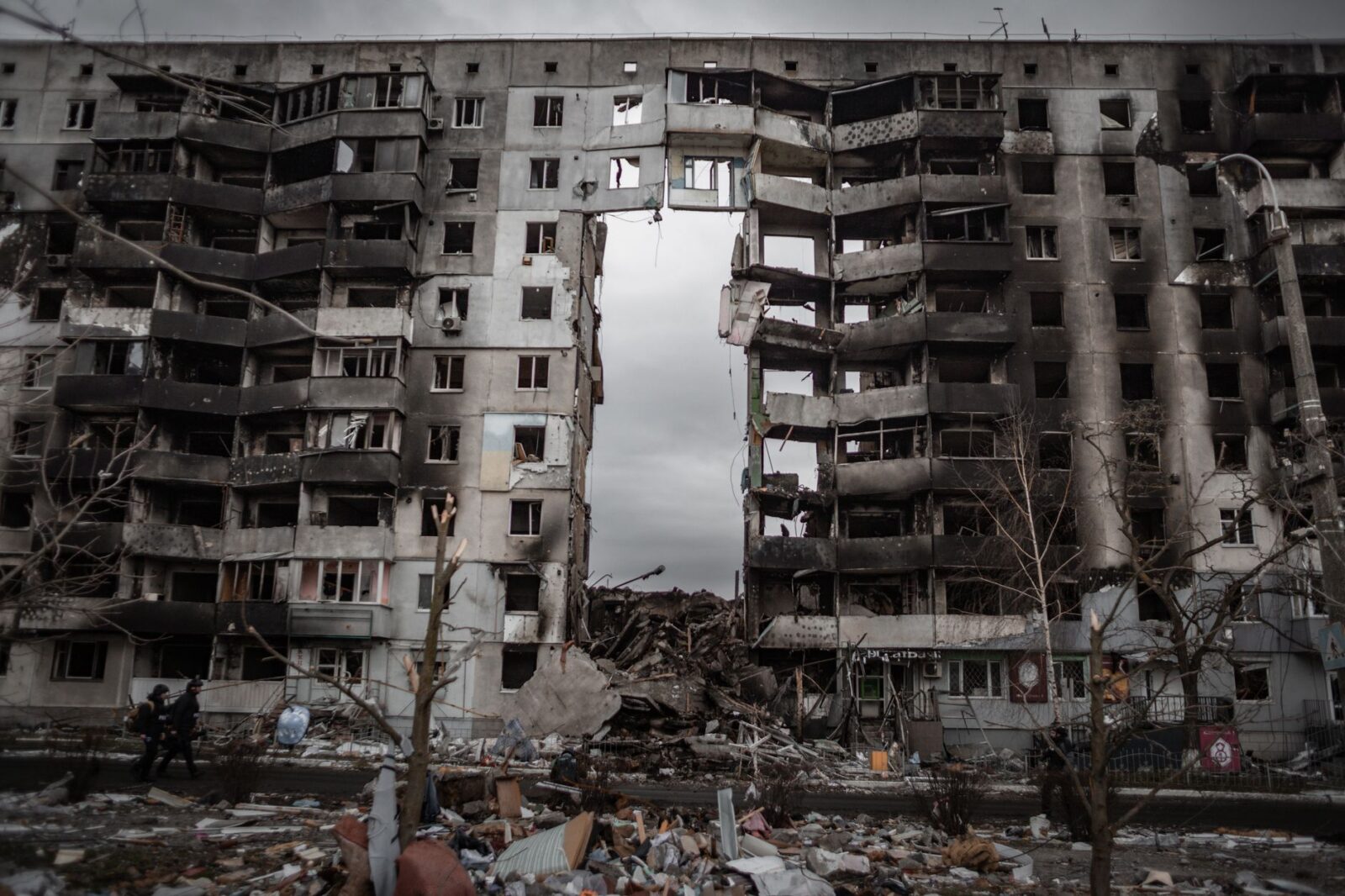
TEHRAN — September 24, 2026
In a dramatic escalation of regional tensions, Iran launched missile strikes targeting Israel on September 24, 2026. This development has raised alarms across the international community, as it signifies a marked increase in hostilities that could have far-reaching implications for security and diplomatic relations in the Middle East.
The missile strikes were confirmed by Iranian state media, which reported that the attacks were a response to perceived threats against Iranian sovereignty and regional interests. The specific locations targeted in Israel have not been disclosed, but the strikes are believed to be part of Iran’s broader strategy to assert its influence and deter adversaries in the region.
This military action comes amid heightened tensions following a series of confrontations between Iranian forces and U.S. military assets in the region. The U.S. has been closely monitoring Iranian activities, particularly in light of its ongoing nuclear program and support for proxy groups across the Middle East. The recent missile strikes are seen as a direct challenge to U.S. interests and allies in the region, particularly Israel, which has long been a focal point of Iranian hostility.
The decision to launch these missile strikes appears to have been triggered by a combination of factors, including recent military exercises conducted by Israel and the U.S. in the region, as well as ongoing diplomatic tensions surrounding Iran’s nuclear ambitions. Analysts suggest that Iran may be attempting to send a clear message to both its domestic audience and international adversaries about its military capabilities and resolve.
As the situation unfolds, the implications of these strikes are significant. Locally, Israel is likely to bolster its defense measures in response to the attacks, while the U.S. may reassess its military posture in the region. Nationally, this escalation could lead to increased calls for military action against Iran from Israeli officials, further complicating an already volatile geopolitical landscape.
Internationally, the strikes could provoke a strong response from the U.S. and its allies, potentially leading to a cycle of retaliation that could destabilize the region further. The United Nations and other international bodies may also become involved, as the strikes violate longstanding norms regarding state conduct in armed conflict.
Looking ahead, the situation remains fluid. Diplomatic efforts may be initiated to de-escalate tensions, but the potential for further military action looms large. Analysts predict that the coming days will be critical in determining whether this incident will lead to a broader conflict or if diplomatic channels can be utilized to mitigate the fallout.
Source: TOLOnews




Angela Paxton Urges Support for Republican Ticket in New TV Ad
Angela Paxton's latest TV ad, released on October 4, 2026, calls for...
 2 Mins read
Brazilians Vote in High-Stakes Presidential Election
Today, Brazil holds a pivotal presidential election that could reshape its political...
2 Mins read
Trump Unveils Super Intelligence Force Amid AI Regulation Discussions
The launch of Trump's Super Intelligence Force marks a pivotal moment in...
2 Mins read
Brazilians Vote in High-Stakes Election Between Lula and Flavio Bolsonaro
Today, Brazil's electorate heads to the polls in a pivotal election that...
2 Mins read
Leave a comment