
Ireland Enacts Legislation Prohibiting Goods from Israeli Settlements
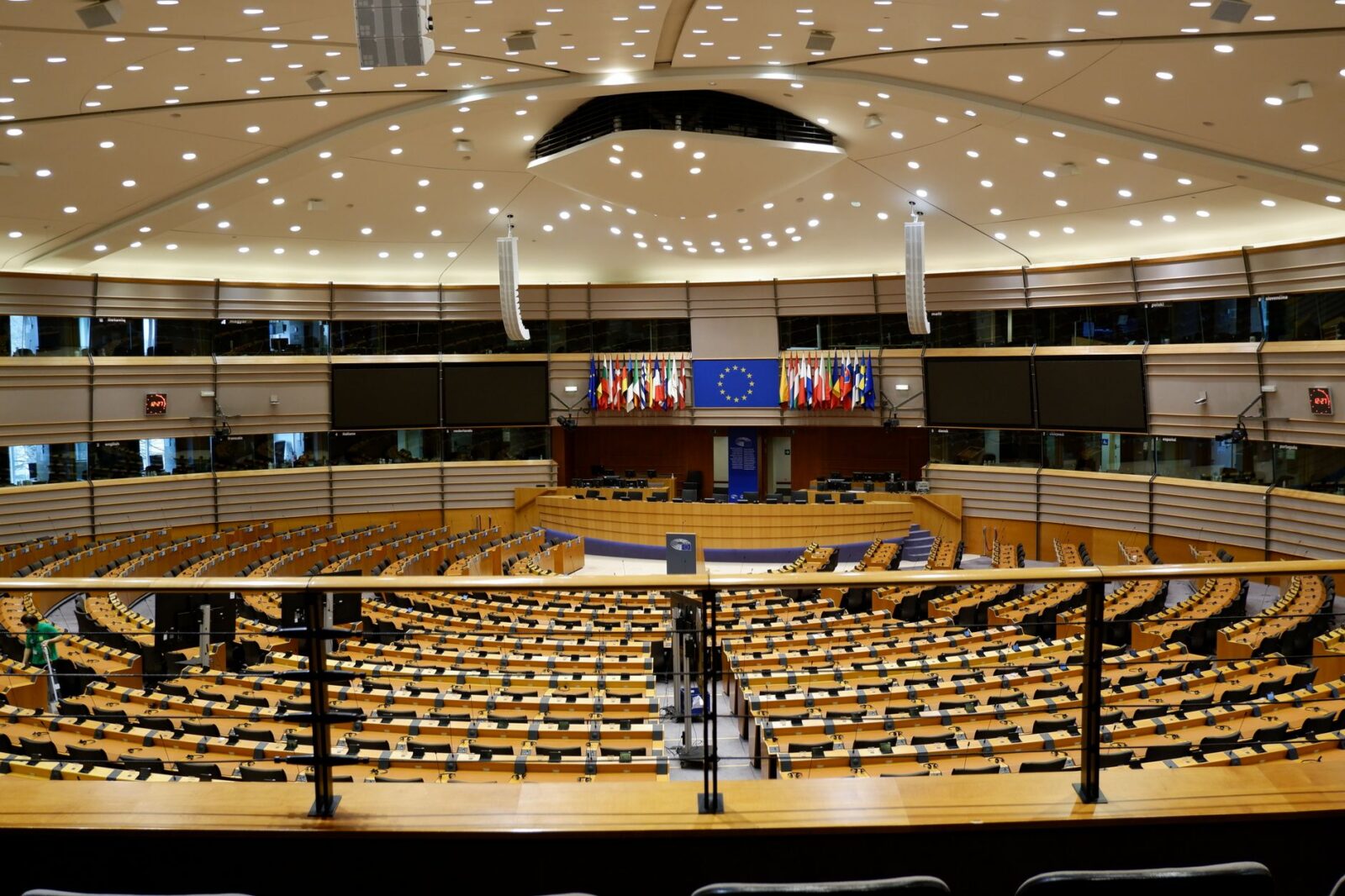
On July 8, 2026, the Irish Parliament passed a landmark bill that prohibits the importation of goods produced in Israeli settlements located in the occupied territories. This legislation, which reflects Ireland’s long-standing commitment to supporting Palestinian rights, positions the country at the forefront of a growing global movement advocating for ethical trade practices in relation to the Israeli-Palestinian conflict.
The bill’s passage is particularly notable given the current geopolitical climate, where debates over human rights and international law are intensifying. Ireland’s decision comes amid a backdrop of increasing criticism of settlement policies by various human rights organizations and international bodies, including the United Nations, which have long deemed these settlements illegal under international law. By taking this step, Ireland not only reinforces its own foreign policy stance but also encourages other nations to reconsider their trade relations with Israel.
This move is significant on multiple fronts. Firstly, it could alter the dynamics of the European Union’s approach to Israel, as Ireland is a member state. If other EU countries follow suit, it could lead to a unified European stance against settlement goods, increasing pressure on Israel to reconsider its settlement expansion policies. Secondly, the legislation may embolden Palestinian advocacy groups and reinforce calls for boycotts and divestment strategies globally.
Looking ahead, the implications of this legislation could be profound. Israel may respond with diplomatic pushback, potentially impacting its relationships with European partners. Additionally, the bill could inspire similar legislative efforts in other countries, further isolating Israel on the international stage when it comes to its settlement policies. As the world watches, Ireland’s bold move may catalyze significant shifts in both trade practices and diplomatic relations surrounding one of the most contentious issues in global politics.
Source: ABS-CBN





Republicans Select Congressional Candidates in Florida Amid Trump Battles
Trump's influence in Florida's Republican primaries signals significant implications for national politics...
 1 Mins read
Delhi Congress Intensifies Preparations for Upcoming DUSU and MCD Elections
The Delhi Congress is mobilizing resources for key student and municipal elections,...
1 Mins read
North Korea Denounces US-South Korea Military Exercises as ‘Open Threat’
This development heightens tensions in the Korean Peninsula amid ongoing geopolitical instability.
1 Mins read


Trump Dismisses Iran Negotiations, Declares Hormuz as ‘New US Territory’
Trump's comments on Hormuz heighten tensions amid ongoing geopolitical instability, drawing global...
1 Mins read
