
Lebanon and Israel Resume Talks in Washington Amid Ongoing Ceasefire Concerns

On June 2, 2026, diplomatic discussions between Lebanon and Israel recommenced in Washington, D.C., as both nations seek to navigate the precarious situation following recent escalations along their shared border. This meeting comes amidst a backdrop of uncertainty regarding the effectiveness of the current ceasefire, which has been challenged by sporadic violence and mutual accusations of provocations.
The talks involve key representatives from both sides, including Lebanese Foreign Minister Abdallah Bou Habib and Israeli National Security Council head Tzachi Hanegbi. Their discussions are facilitated by U.S. mediators, underscoring the United States’ ongoing role as a pivotal player in Middle Eastern diplomacy. The urgency of these talks is underscored by the potential for renewed hostilities, which could destabilize not only Lebanon and Israel but also have far-reaching implications for regional security and global markets.
Currently, the ceasefire is fragile, with both nations accusing each other of breaching the terms established during previous negotiations. The volatility in this region is exacerbated by the involvement of various non-state actors and the geopolitical interests of broader powers, including Iran and the United States. A failure to reach a sustainable agreement could lead to renewed conflict, affecting not just the immediate parties but also international stakeholders invested in the stability of the Middle East.
Looking ahead, the outcomes of these renewed discussions could either pave the way for a more permanent resolution or further entrench divisions. Analysts suggest that a successful negotiation could lead to increased economic cooperation and stability in the region, while a breakdown in talks may provoke further military confrontations and exacerbate humanitarian crises. The world watches closely as the implications of these talks extend far beyond the borders of Lebanon and Israel, influencing global diplomatic relations and economic interests.
Source: The New Arab








Türkiye Urges Immediate Resumption of Peace Talks Between Russia and Ukraine
Türkiye's call for renewed peace talks underscores the urgent need for stability...
 1 Mins read

Emergency Declared in Crimea as Ukrainian Forces Intensify Offensive
The escalation in Crimea signals a pivotal moment in the ongoing conflict,...
1 Mins read

Sergei Ivanov, Former Russian Defense Minister and Putin’s Potential Successor, Dies at 73
The death of Sergei Ivanov marks a significant moment in Russian politics,...
1 Mins read
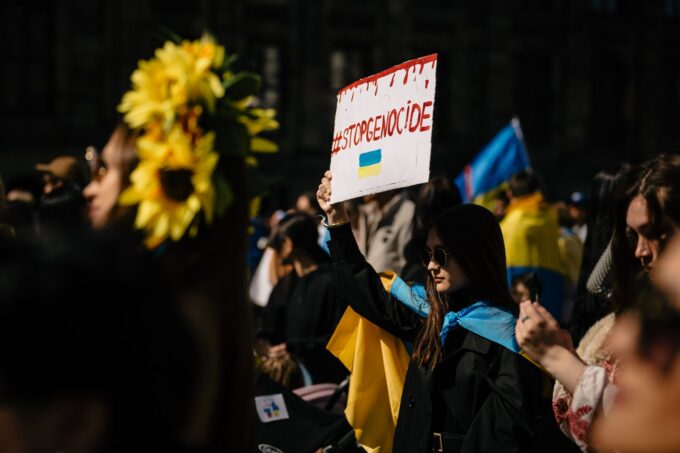


Ukraine Commits to 40 Days of Offensive Strikes Against Russian Forces
Ukraine's declaration of sustained military action poses significant challenges for Russia and...
1 Mins read